
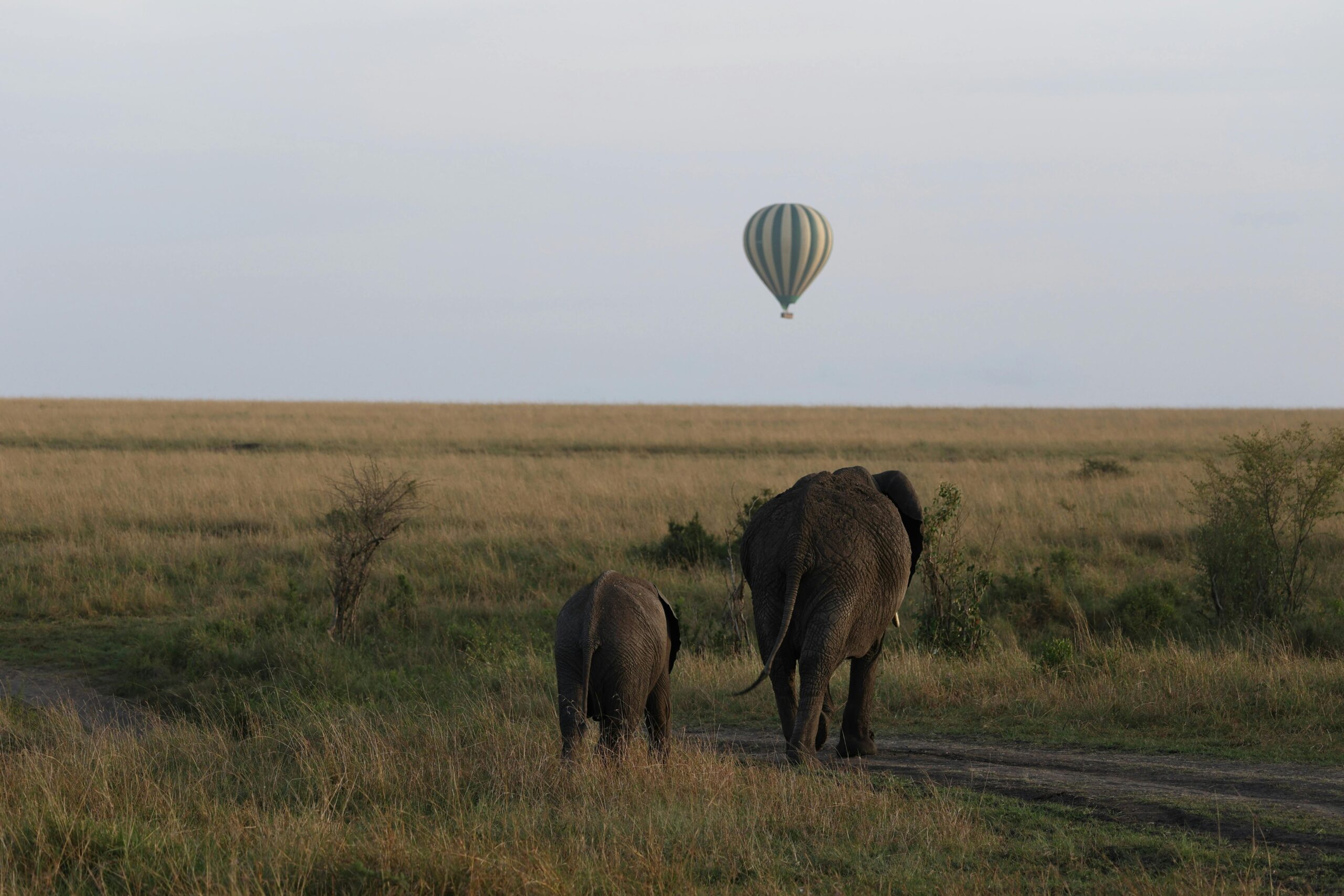
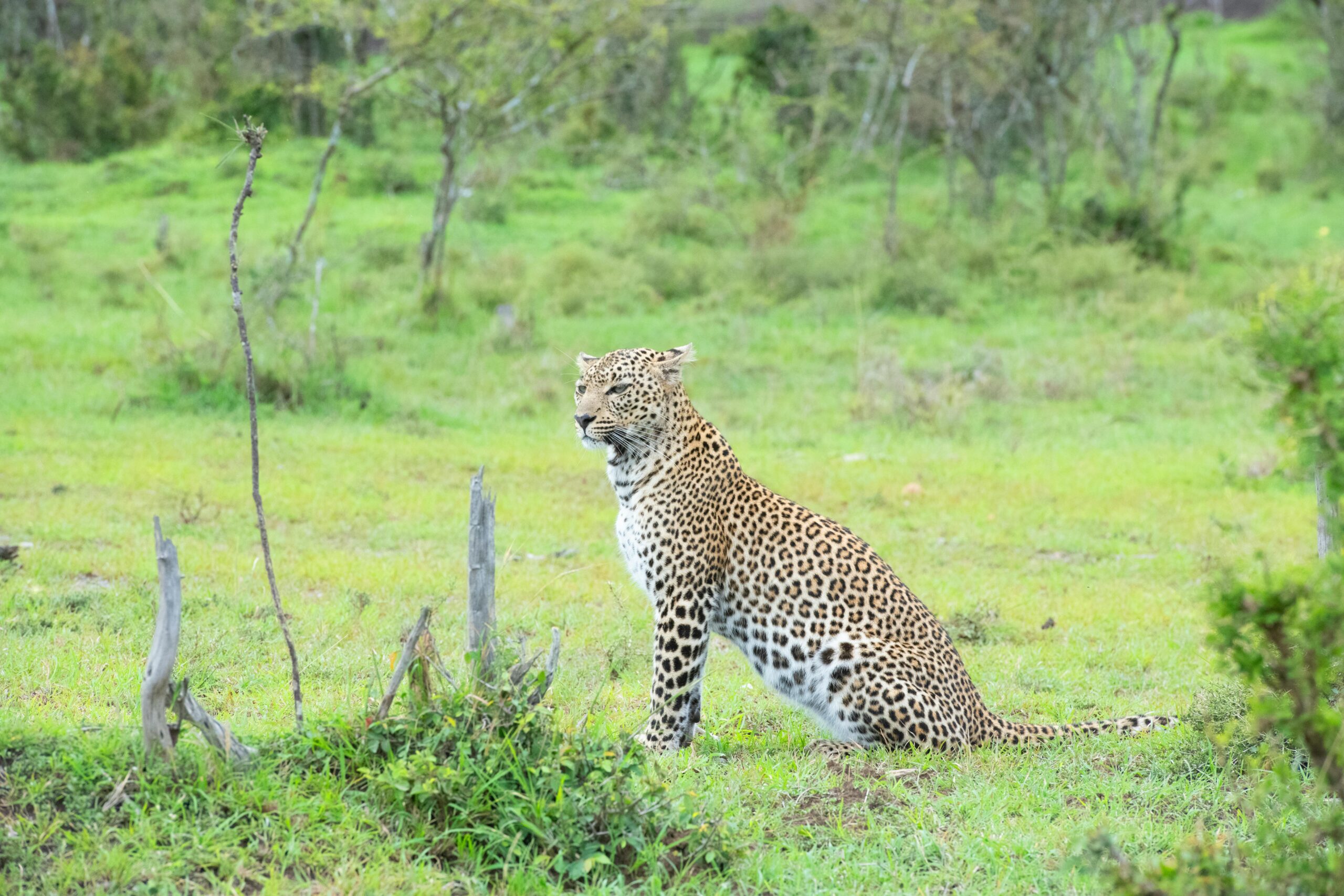
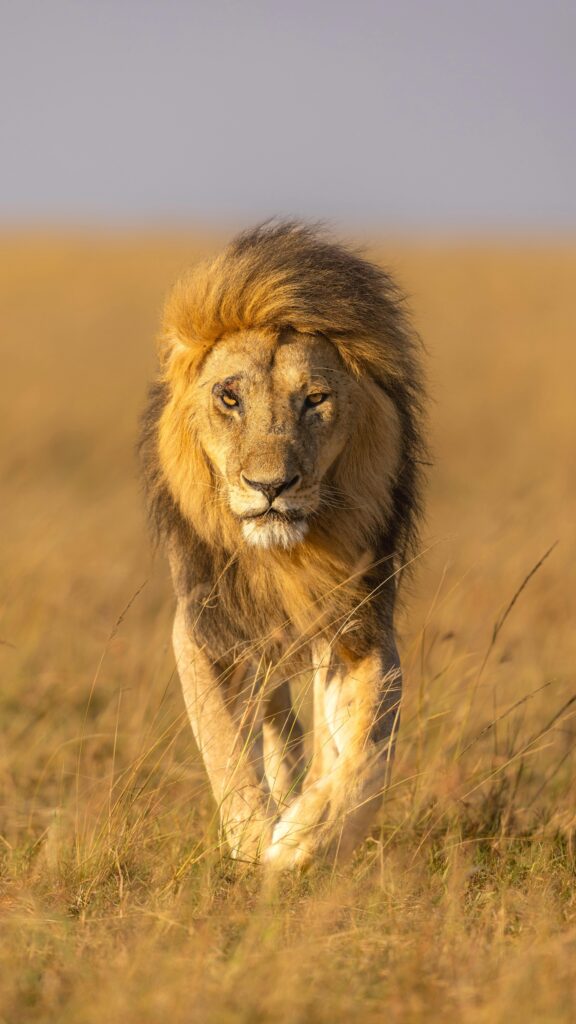
Best time to visit Kenya for safari? It mostly depends on wildlife movement, weather patterns, and the kind of experience you’re seeking.
From dramatic Great Migration river crossings to quiet, crowd-free game drives, this guide walks you through everything you need to know to plan your Kenya safari with confidence.
Pair this up with Uganda’s Mountain Gorillas and Chimps, and or Tanzania for an epic wildlife encounter!.
When Is the Best Time to Visit Kenya for Safari?
| Season | Months | Field Reality & Highlights |
| Peak Dry Season | June – October | Ultimate Game Viewing. Vegetation dies back and wildlife bundles around permanent water sources. Roads are dry and navigable. |
| Short Dry Season | January – February | Excellent Clarity & Calving. High resident wildlife visibility, fewer crowds than summer, and the arrival of migratory northern hemisphere birds. |
| Long Rains | March – May | The Emerald Season. Heavy afternoon downpours turn the savannah lush and green. Lower accommodation rates apply, though some remote tented camps close for maintenance. |
| Short Rains | November – December | Short-Burst Showers. Generally clear mornings with short afternoon rains. Excellent for photography due to clear air and newborn plains game. |
The Great Wildebeest Migration follows an annual clockwork driven by the search for fresh grass.
June - July August - September October - November
Herds amass in Northern Serengeti --> Massive Mara River Crossings --> Herds graze the Mara Plains,
and prepare for river crossings. into Kenya's Maasai Mara. then track south back to Tanzania.For general destination information, you may also refer to Kenya’s Offical Tourism Website for additional planning resources
Visa & Entry Requirements for Kenya
Kenya has simplified travel with an e-visa system available online. Here’s what you need:
Tourist e-visa: Apply via the official Kenyan e-visa portal and costs $101 that covers Kenya, Rwanda and Uganda.
Visa-free for some countries: Check if your nationality is exempt. Most international travelers require an Electronic Travel Authorisation (eTA) before entering Kenya.
Requirements: Passport valid for at least six months, return ticket, and proof of accommodation.
Currency & Payments in Kenya
Currency: Kenyan Shilling (KES)
Payment Methods: Credit/debit cards are widely accepted in cities, but cash is necessary in remote areas.
Mobile Money: M-Pesa is widely used for transactions.
Getting to Kenya; International Flights & Connections
Main International Airport: Jomo Kenyatta International Airport (Nairobi, NBO)
Alternative Airports: Moi International Airport (Mombasa), Wilson Airport (domestic and safari flights)
Major Airlines: Kenya Airways, Emirates, Qatar Airways, Turkish Airlines, British Airways
Top Safari Destinations in Kenya
The Maasai Mara
World-famous for its wildlife and the Great Migration.
Amboseli National Park
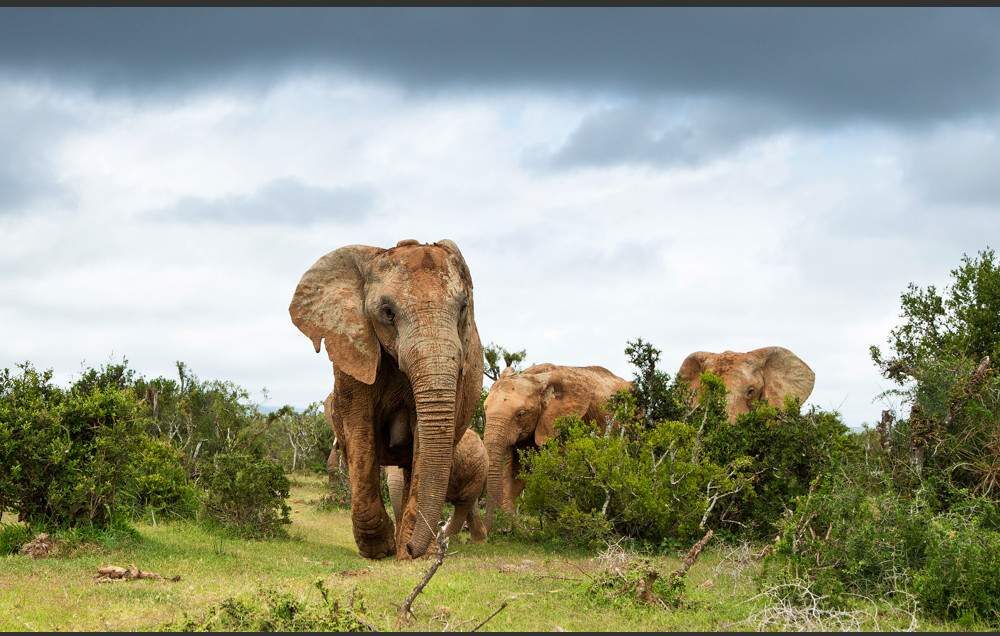
Home to large elephant herds with Kilimanjaro as a backdrop.
Lake Nakuru National Park
Famous for its vast flamingo populations, diverse bird species, and rhino sanctuary, offering spectacular scenery and wildlife photography opportunities.
Tsavo National Parks
The largest parks in Kenya, known for untamed wilderness. Tsavo East and Tsavo west.
Samburu National Reserve
Rare species like the Grevy’s zebra and reticulated giraffe.
Lake Naivasha & Hell's Gate National Park
A freshwater lake teeming with hippos and diverse birdlife, ideal for boat safaris and nature walks at Crescent Island.
Located near Lake Naivasha, Hell’s Gate offers cycling, hiking, and dramatic geothermal landscapes.
Practical Travel Tips for International Visitors to Kenya
Book early for peak season (July–October)
Travel insurance is essential
Consult a travel clinic before departure
Pack layers for early morning game drives
The best time to visit Kenya for safari is about more than weather; It’s about matching seasons with the experience you want.
At Pomelo-ibis Adventures, we design tailor-made Kenya safaris that align the right season, wildlife movements, and comfort level with your travel goals.
CLICK HERE to talk to us directly for your custom trip
Frequently Asked Questions (FAQs)
I want to see the Mara River crossing. If I book a mid-range camp in the Mara Conservancy (Triangle) for late July, am I guaranteed to see it, or do I need to be right on the river?
No one can guarantee a crossing, and anyone who does is lying to get your deposit. The Great Migration is driven by rain and instinct, not a calendar.
In late July, the herds are typically arriving, but the massive, chaotic river crossings usually peak between August and September.
As for location: Staying in the Mara Triangle or a private concession gives you incredible guiding, but for river crossings, you need a guide who understands patience. You might sit in a hot vehicle for four hours watching wildebeest bunch up at the bank, only for a single zebra to get spooked and the whole herd to turn back.
The On-The-Ground Reality: Don’t tie your entire vacation’s success to a crossing. Book at least 3–4 nights in the Mara to increase your odds, and ensure your itinerary allows for full-day game drives with packed lunches so you don’t have to head back to camp right when the action is brewing.
Is it worth paying the premium for a Private Concession, or is the main Masai Mara National Reserve fine?
If you hate crowds, pay for the concession.
In the main National Reserve, if a leopard is spotted, 30 minivans will surround that tree within twenty minutes. It can feel like a parking lot. The main reserve also has strict rules: no off-roading, and you must be back in camp by 6:30 PM.
In a private concession (like Mara North, Olare Motorogi, or Naboisho):
Strict vehicle limits: Usually only 3 to 5 vehicles allowed per sighting.
Off-roading is allowed: If a lion goes into the bush, your guide can follow it.
Night drives and walking safaris: These are completely banned in the main reserve but legal in concessions.
If your budget allows, split your time. Do 2 nights in a concession for exclusivity, and 1 or 2 nights closer to the river inside the main reserve if you are chasing the migration crossings.
Can I actually do a Kenya safari in a 4x4 Safari Van, or am I going to regret not paying extra for a Land Cruiser?
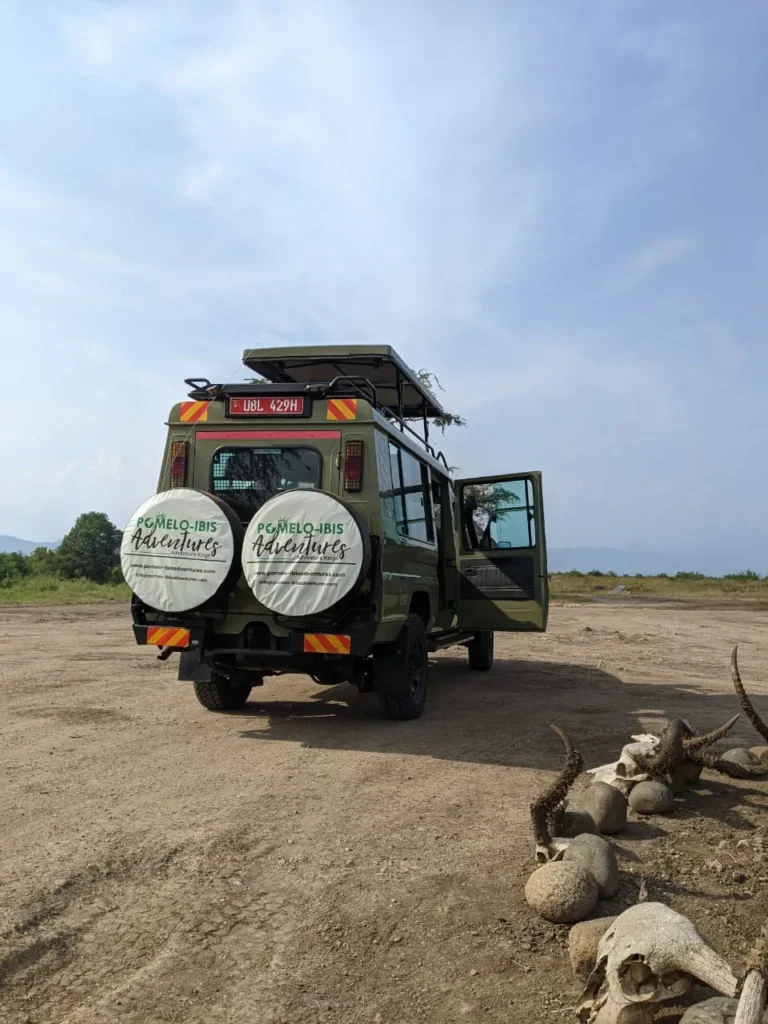
You will regret the van if you are doing long transits or visiting rugged parks like Samburu or Amboseli.
Let’s be honest: Safari vans (minivans with pop-up roofs) are fine on tarmac roads and flat, dry sections of the Mara. They are cheaper, which is why budget operators love them. But they have smaller wheels, worse suspension, and zero clearance compared to a 4×4 Land Cruiser.
If it rains, the black cotton soil in the Mara turns into grease. Vans get stuck instantly. Furthermore, a Land Cruiser gives everyone a window seat and handles the notorious “African massage” (our corrugated, bumpy dirt roads) much better, meaning you won’t arrive at your lodge with a thrown-out back.
If you are spending serious money on your lodges, do not bottleneck your experience with a budget vehicle. Upgrade to the 4×4 Land Cruiser.
Yellow Fever vaccine is technically not required if coming from the US/Europe, but will the border officials at JKIA ask for it anyway?
Officially, if you are flying directly from the US or Europe and have not transited through a Yellow Fever endemic country (like Ethiopia or Uganda) for more than 12 hours, you do not legally need the certificate.
However, airport immigration dynamics can change on a dime. If a health official at Jomo Kenyatta International Airport (JKIA) decides to do a random check, or if your flight was delayed or diverted in Addis Ababa, you will be scrambling.
The Recommendation: If you are medically able to get the vaccine, just get it and carry the yellow card. It lasts for life. If you cannot get it due to age or medical exemptions, ensure you have an official, signed medical exemption letter from your doctor. Do not leave this to chance or the mood of an immigration officer on the day you land.
How much cash do I actually need to carry for tips, and do they really reject US dollars printed before 2013?
Yes, they will absolutely reject old US bills. In fact, make sure they are 2013 or newer, completely un-torn, un-creased, and crisp. Banks in East Africa simply do not accept old or damaged foreign currency, so local guides and staff cannot exchange them.
| Expense Type | Recommended Amount (USD) | How to Pay |
| Safari Guide | $20 to $30 per day | Hand directly to guide at the end (per vehicle) |
| Camp/Lodge Staff | $10 to $15 per day | Drop into the communal tip box at checkout |
| Local Porters/Drivers | $2 to $5 per service | Small, crisp bills on the spot |
While dollars are widely accepted, download the Safaricom M-Pesa app if your operator offers a way to link it, or change some cash into Kenya Shillings (KES) at the airport for small purchases. Tipping a spotter or a local market vendor in KES is always preferred because it saves them a trip to the currency exchange.
