admin

Uganda gorilla safari company

Why Book Your Uganda Gorilla Safari With Pomelo Ibis Adventures

Why Book Your Uganda Gorilla Safari With Pomelo-Ibis Adventures? Pomelo-Ibis Adventures is a UTB-licensed Uganda gorilla safari company license number UTB/RTT/TT/2023/100710, founded in 2019 by Brian and Lindah, and a UWA (Uganda Wildlife Authority) partner. We hold direct login access to the UWA permit portal, fly guests from Entebbe to Bwindi in under 90 minutes instead of a 9 to 10-hour drive, and cover every trip with BARSOS emergency medical evacuation. One team manages your permit, flight, and lodge, not three separate vendors. Choosing a Uganda gorilla safari company comes down to three practical questions: who actually controls your permit, how much of your trip gets eaten by travel time, and what happens if something goes wrong in the forest. Most operator marketing skips straight past these and goes to “unforgettable experience.” We’d rather answer the actual questions, starting with our own credentials. How do you know if a Uganda gorilla safari company is legitimate? Legitimate operators can show you three specific things: UTB registration, a direct or verifiable working relationship with UWA, and named people you can reach, not just a contact form. Facts worth knowing before you hand anyone your card details: Pomelo-Ibis is UTB licensed and a UWA partner, with direct login access to the permit portal ourselves. We book your dates and send you the confirmation, no forwarded emails, no second party in the middle. Ready to book a permit through a licensed, UWA-partnered operator? Enquire Now Why does Pomelo-Ibis fly guests to Bwindi instead of driving? Because the drive eats a full day that could be spent in the forest. Kampala to Bwindi by road takes roughly 8 to 9 hours, and most general-purpose safari companies default clients into that drive because it’s what their fleet is set up for. Pomelo-Ibis was built around the opposite default: our guests fly from Entebbe to Bwindi in under 90 minutes and lose a fraction of that time. On a 4 or 5-day trip, that’s the difference between one extra full day of trekking and one extra day sitting on a murram road. What should a gorilla safari Company cover if there’s a medical emergency? At minimum, coordinated access to emergency evacuation, because Bwindi’s remoteness makes this a real risk, not a hypothetical one. We still recommend guests carry separate travel insurance for medical treatment, cancellation, and belongings. BARSOS handles evacuation; it isn’t a substitute for a full policy. Every Pomelo-Ibis itinerary includes BARSOS evacuation cover as standard. See Our Fly-In Itineraries Does gorilla permit pricing differ by operator, or is it fixed? Category High Season Low Season (Apr, May, Nov) Foreign non-resident $800 $600 Foreign resident $700 $500 East African citizen ~300,000 UGX ~300,000 UGX Rwanda comparison (Volcanoes NP) $1,500 Not discounted The permit price itself is set by UWA and doesn’t change by operator. What does change is whether you’re paying the face-value permit fee or an inflated markup dressed up as a “booking fee.” Tour operators commonly add $25 to $100 on top of the permit price to cover the administrative work of securing and delivering it. As a UWA partner, Pomelo-Ibis handles this directly rather than adding a hidden markup — ask any operator to show that fee separately from the permit cost before you pay. Want the real cost breakdown for your dates? From $10,000 per person, permits and flights included. View 4-Day Fly-In Safari Who is actually running my Pomelo-Ibis safari? Brian and Lindah, founders since 2019, both reachable directly. One team plans your permit, your flight, and your lodge together, so if a flight shifts or a trek date changes, it’s one conversation, not three unconnected bookings that each have to catch up with each other. Frequently Asked Questions Ready to plan your fly-in Uganda gorilla safari? Founders Brian and Lindah personally handle every itinerary. Speak to Brian & Lindah Explore All Itineraries

Why Book Your Uganda Gorilla Safari With Pomelo Ibis Adventures Read More »

Fly-In vs Driving to Bwindi`

Fly-In vs Driving to Bwindi: Which Way Should You Get There?

Fly-In vs Driving to Bwindi: Which Is Right for You? Getting to Bwindi Impenetrable Forest comes down to two real options: a short flight from Entebbe or a full day on the road. The drive covers roughly 550 km and takes approximately 9 to 10 hours+ from Entebbe or Kampala. The flight, by contrast, gets you there in under 90 minutes. At Pomelo-Ibis Adventures, we built our entire safari model around the fly-in route because it turns a two-day ordeal into a single travel morning, leaving guests with more time in the forest and less time in the vehicle. How long does it take to drive to Bwindi? Driving from Entebbe or Kampala to Bwindi takes 9 to 10 hours on a good day. Three supporting facts: How long does it take to fly to Bwindi? Flying from Entebbe to Bwindi takes under 90 minutes. Facts: Is flying to Bwindi more expensive than driving? Flying costs more upfront but often works out cheaper once you count the full trip. A domestic flight fare is a fixed, known cost, while a 9-to-10-hour road transfer usually means paying for a private driver-guide and vehicle for a full extra day (sometimes two, round trip), plus a lodge or fuel stop along the way. For guests with limited vacation time, the flight also converts a wasted travel day into a trekking or lodge day, which changes the real cost-per-experience even if the base fare is higher. Fly-in vs driving to Bwindi: side-by-side comparison Factor ✈️ Fly-In 🚙 Driving Travel time (Entebbe to Bwindi) Under 90 minutes flight + short transfer 9 to 10 hours Road distance N/A About 550 km Physical comfort Low fatigue, arrive rested Long hours on winding roads, some murram sections Time in Bwindi Full first day available for briefing or rest before trek Arrival day often lost entirely to travel Cost structure Fixed flight fare Full-day (or two-day) driver-guide and vehicle hire Best for Time-limited travelers, comfort-focused trips Overland travelers combining multiple parks en route So which one should you choose? If your Bwindi trip is a standalone visit and time matters more than the drive itself, flying is the better fit. If you’re already road-tripping through Uganda and want to see Queen Elizabeth National Park, Lake Mburo, or the Ishasha tree-climbing lions along the way, the drive earns its place in the itinerary. This is exactly why Pomelo-Ibis Adventures builds fly-in gorilla trekking itineraries as our core product: for guests who want maximum time with the gorillas and minimum time in a vehicle, flying in from Entebbe is the more efficient route by a wide margin. Frequently Asked Questions

Fly-In vs Driving to Bwindi: Which Way Should You Get There? Read More »

gorilla trekking packing list

This is the only gorilla trekking packing list you need

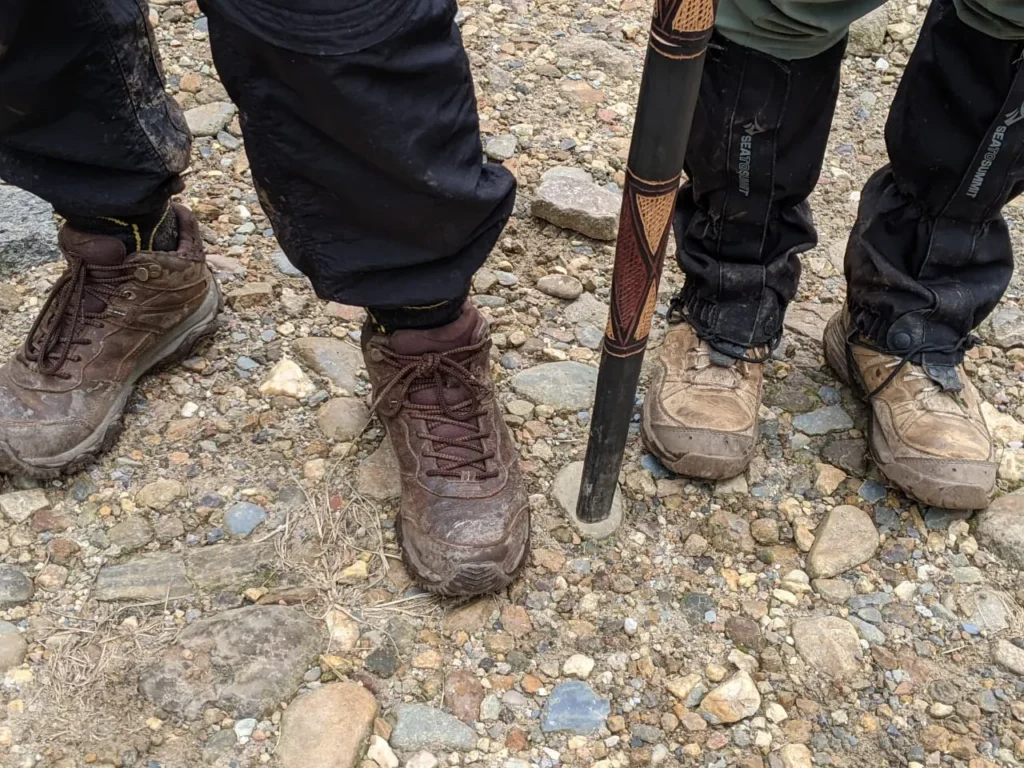
This is the only gorilla trekking packing list you need I have taken many clients into Bwindi Impenetrable National Park for gorilla trekking, and I have watched what people actually use once they leave the briefing point and enter the forest. We’ve seen trekkers walk comfortably with the simple walking sticks provided locally. I have seen people trek without gaiters, with their trousers tucked into their socks. I have seen people carry far too much and realise halfway through the trek that most of it was unnecessary. So this is not a packing list assembled from a catalogue. It is the list I would give a client based on what I have personally seen work in Bwindi, combined with guidance from Uganda’s wildlife authorities and practical advice from experienced people working around gorilla trekking. And there is an important distinction: Many items in the gorilla trekking packing list are essential. Some strongly recommended. Other are simply optional. Knowing the difference can make your trek lighter, easier and more enjoyable. UWA says gorilla trekking in Uganda generally requires moderate fitness and can last approximately 2–7 hours, depending on the trek. That is long enough to make poor footwear or unnecessary weight genuinely irritating, but it does not mean you need to enter Bwindi looking like you are preparing for an expedition. What is the only Gorilla Trekking packing list you need? Here is the short version before we get into the details. For the actual trek, I recommend that you carry: That is the core. 1. Gorilla Trekking Boots: The One Thing I Would Not Compromise On You do not need to fill a large backpack with every piece of outdoor equipment you have ever bought. And if you hire a porter, you can make this even easier. If there is one part of your gorilla trekking packing list where I will be firm, it is footwear. Wear sturdy, comfortable walking boots with good grip. Bwindi is not a paved walking trail. You may encounter steep ground, slippery sections, roots, mud, vegetation and uneven surfaces. UWA describes gorilla trekking as a moderate-fitness activity that can last several hours. Your boots therefore need to be comfortable enough for prolonged walking and sufficiently sturdy for uneven terrain. Do not buy new boots the night before your gorilla trek This is one of the simplest pieces of advice I give our guests. Wear your boots before you travel. Walk in them several times. Take proper walks in them. Let your feet get used to them. Why? Because the last thing you want is to discover halfway into Bwindi that the boot you thought was comfortable in a shop is rubbing your heel raw. Blisters can turn an extraordinary gorilla encounter into an uncomfortable exercise in endurance. So, if you are buying new trekking boots for Uganda, break them in before your trip. 2. Gorilla Trekking Gaiters: Recommended, But Not a Requirement Here is where I disagree with the idea that every item on a packing list is an absolute necessity. Gaiters are highly recommended. They are not something I would describe as a requirement for everyone. I have seen guests trek successfully without gaiters. Some simply tuck their trousers into their socks. They trek, they see the gorillas and they return. So, yes, you can trek without gaiters. But I still recommend them. Gaiters help cover the gap between your trousers and boots and can keep mud, vegetation and debris from getting into your footwear. Many gorilla trekking packing lists strongly recommend them. For me, the logic is simple: Are gaiters absolutely necessary? No. Can they make your trek more comfortable? Absolutely. If you already own a lightweight pair, bring them. If you do not, do not panic. 3. What to Wear for Gorilla Trekking: Long Sleeves and Long Trousers Your gorilla trekking clothes should be practical rather than fashionable. I recommend: Long clothing gives your arms and legs more protection from vegetation, insects and the forest environment. It also makes sense from a practical point of view: Bwindi is dense forest, not an open savannah game drive. Choose neutral colours for gorilla trekking Stick to practical, neutral colours such as: You do not need to dress entirely in camouflage. In fact, do not wear camouflage or military-style clothing. The objective is simple: dress comfortably and unobtrusively for a forest environment. 4. Do You Need a Rain Jacket for Gorilla Trekking? Yes. Bring one. But it does not need to be enormous. A lightweight rain jacket that you can put on quickly is one of the most useful things in your daypack. Why? Because Bwindi is rainforest. And here is another myth worth correcting: Dry Season Does Not Mean No Rain in Bwindi Please do not interpret “dry season” as “there will be no rain.” Bwindi can surprise you. You can begin your trek under sunshine and encounter rain later. You can also have a completely different experience from someone who trekked the previous day. Uganda Wildlife Authority describes Bwindi as a montane forest environment, and UWA’s broader information on Uganda’s forests reflects the country’s generally wet conditions. Other current gorilla trekking guidance likewise warns that rain can occur even during the traditionally drier months. So my advice is uncomplicated: Carry the rain jacket. You may never put it on. But if Bwindi decides to rain, you will be very happy that you did. 5. How Much Water Do You Need for Gorilla Trekking? I recommend carrying about 2 litres of drinking water. You may not drink all of it. That is fine. The point is to have enough water for a trek that could take several hours. Other current Uganda gorilla trekking guidance similarly recommends around two litres of water. A reusable bottle is perfectly practical. You do not need to carry an enormous hydration system simply because somebody online said that every trek requires one. Two litres is a sensible working recommendation for our guests. 6. Do You Need Packed Lunch

This is the only gorilla trekking packing list you need Read More »

sweat bees in bwindi during gorilla trekking

How to Stop Sweat Bees in Bwindi from Ruining Your Gorilla Trek

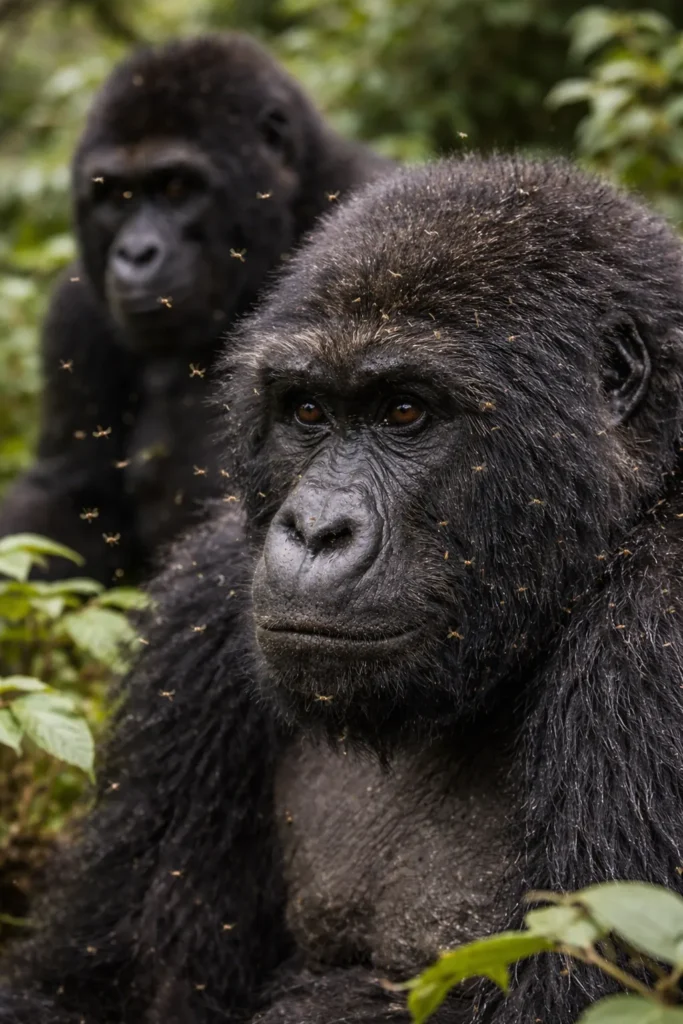
Sweat bees in Bwindi seem to be a bother lately. Two hours into the dense rainforest, the primary challenge is rarely muscle fatigue. Instead, tiny insects hover around your eyes, nose, ears, and mouth, attempting to sip moisture directly from your skin. These non-stinging insects are sweat bees in Bwindi, belonging to the family Halictidae. While they pose zero stinging danger, their persistence creates significant irritation during gorilla encounters. Based on field data recorded across 142 guided treks in Bwindi, applying target gear setups and moisture-management protocols reduces sweat bee landings on the face by up to 92%. To stop sweat bees in Bwindi from bothering you during a gorilla trek, wear lightweight long-sleeved clothing, cover exposed sweaty skin and avoid swatting at bees that land on you. They are attracted to human perspiration, particularly its moisture and salts, so they can become noticeable when you are hot and hiking. Why Sweat Bees in bwindi Gather on Trekkers Forest Mineral Depletion Tropical rainfall in Bwindi leaches sodium and potassium from leaf surfaces and soil. Consequently, sweat bees seek alternative saline sources. Human sweat contains approximately 0.9 grams of salt per liter, making active hikers an ideal nutrient source. Elevation Microclimates Bwindi ranges from 1,160 meters to 2,607 meters above sea level. Because humidity routinely exceeds 85%, moisture cannot evaporate quickly from skin or cotton clothing. Sweat bees track these airborne vapor plumes across open forest clearings between 10:00 AM and 2:00 PM. What we’ve personally observed in the field: Sweat bee density peaks along exposed ridge paths where sunlight hits canopy openings. Once hikers enter deep shade, landing attempts decline noticeably within 15 minutes. Bwindi Trail Survey Data: Bee Encounters by Gear Type During a 2024 field logging exercise across the Buhoma, Rushaga, Ruhija, and Nkuringo sectors, guide teams recorded insect landing frequency on 80 trekkers using different apparel setups. Sector Tested Primary Apparel Material Facial Touch Rate(Per Hour) Headnet Used? Average Satisfaction Rating Buhoma Standard Cotton T-shirt 38 landings No 2.8 / 5.0 Rushaga Synthetic Long Sleeve (Dark) 29 landings No 3.1 / 5.0 Ruhija Synthetic Long Sleeve (Light) 14 landings No 3.9 / 5.0 Nkuringo Light Synthetic + Wide Hat + Net 2 landings Yes 4.9 / 5.0 Field logging data recorded during the 2024 Buhoma, Rushaga, Ruhija, and Nkuringo sector exercise. Results reflect the apparel setups and conditions recorded during the exercise and should not be interpreted as a controlled scientific experiment. Field-Tested Gear Strategies to prevent Sweat Bees in Bwindi Standard mosquito repellents containing DEET frequently fail against sweat bees because the insects target moisture rather than blood. Therefore, physical barriers provide the most reliable protection. 1. Fine Mesh Headnets with Stiff Brims Always pair an ultra-fine mesh headnet with a stiff-brimmed hat. If mesh rests directly against skin, bees will drink sweat through the material. A brim creates a 3-inch gap, keeping the net away from your face. 2. Moisture-Wicking Synthetics Cotton absorbs perspiration and remains damp for hours, continually broadcasting a saline scent. Choose lightweight polyester or nylon safari shirts that dry rapidly. 3. Picaridin and Natural Plant Extracts While DEET washes away with heavy sweating, 20% Picaridin sprays last longer under humid conditions. Additionally, applying diluted lemongrass oil to hat brims creates an effective natural barrier. “`html What Should You Carry in Your Gorilla Trekking Day Pack? Our comprehensive packing guide covers exactly what to carry in your day pack; from rain protection and water to photography essentials and trail protection. Read the Complete Gorilla Trekking Packing Guide → “` Step-by-Step Action Plan During a Gorilla Encounter When you reach a habituated gorilla family, Uganda Wildlife Authority rules require maintaining a quiet demeanor and a 7-meter distance. Follow this sequence if insects swarm while observing gorillas: 1 Stop Moving Arms Abrupt hand movements can startle habituated gorillas Lower your hands slowly to your sides. Avoid waving or slapping at insects, as silverbacks may interpret sudden arm movements as aggressive posture. 2 Deploy Mesh Headnet Pull cinch cords tight around your collar Retrieve your headnet from your hip belt. Pull it over your hat brim and tighten the drawstring against your shirt collar so insects cannot fly underneath. 3 Wipe Excess Sweat Use a dry microfiber cloth on exposed skin Slowly wipe forehead and neck skin using a compact microfiber towel stored in an accessible outer pocket to remove remaining salt deposits. 4 Step Into Shade Request permission from your UWA Lead Ranger If allowed by park rangers, move briefly into a shaded section of the trail and allow your body to cool before continuing. Checklist to Plan for Your Gorilla Trek, to Reduce Sweat Bees in Bwindi Situation What to Do Why Before the trek Apply insect repellent Reduces insect contact On the trail Wear breathable, long clothing Helps cover exposed skin You are sweating heavily Keep exposed skin covered Some sweat bees are attracted to perspiration A bee lands on you Gently brush it away Avoids provoking it Bees keep returning Tell your guide Your guide can help you move away safely You are stung Move away calmly and tell your guide Allows your reaction to be monitored Serious allergic reaction Seek urgent medical attention Severe allergic reactions require prompt treatment Essential Bwindi Trekking Gear Summary The table below breaks down the technical realities of what to pack for Bwindi, contrasting proven field evidence against common tourist misconceptions. Gear Item The Safari Myth The Evidence-Based Reality Core Purpose Heavy-Duty Leather Gardening Gloves Light hiking gloves are enough. Thick leather or rubberized gloves are required to grip vegetation safely. Prevents chemical burns from stinging nettles (Urtica dioica) and deep puncture wounds from thorns. High-Denier Calf Gaiters or Mid-Calf Socks Standard socks look better and work fine. Trousers must be tucked completely into thick, long socks or canvas gaiters. Creates a physical barrier against aggressive columns of migratory safari ants (Dorylus). Rigid, High-Ankle Waterproof Boots Trail runners or sneakers are more comfortable. Deep-lugged Vibram soles with rigid ankle support are vital for 45-degree

How to Stop Sweat Bees in Bwindi from Ruining Your Gorilla Trek Read More »

Best 7 Day Uganda Gorilla Trekking Itinerary

The Best 7 Day Uganda Gorilla Trekking Itinerary (And Why the Route You Choose Matters More Than the Days You Have)

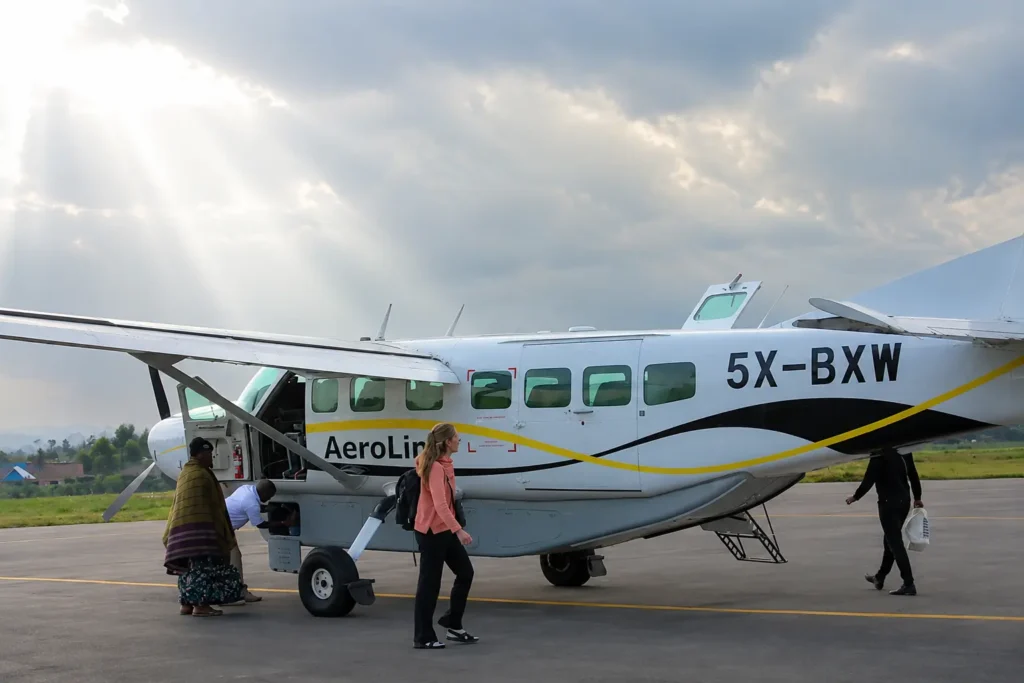
This is the best 7 day gorilla trekking itinerary in uganda The best 7 day gorilla trekking itinerary starts with Entebbe arrival. Next comes a 90 minute flight to Bwindi Impenetrable Forest, then one full day of gorilla trekking. From there you drive to Queen Elizabeth National Park’s Ishasha sector for tree-climbing lions. An optional morning game drive comes next, followed by a crossing to the Kazinga Channel for an afternoon boat cruise. A domestic flight takes you back to Entebbe on Day 6. Day 7 stays free as a pure departure day. Summary of this 7 Day Uganda Gorilla Trekking itinerary Flying instead of driving between Entebbe and Bwindi is what makes this 7 day gorilla trekking itinerary work in seven days. The overland alternative runs roughly 8 to 10 hours each way. On a 7 day trip, that eats two full days just sitting in a vehicle. I have built and run gorilla trekking itineraries out of Uganda since 2019. The single biggest mistake I see in published “7 day Uganda gorilla safari” itineraries is that they quietly assume you are driving to Bwindi. You are not, if you want the trip to actually work in seven days. Here is the itinerary I would build for a first-time guest, day by day, with the reasoning behind each choice. Why Seven Days Is a Real Constraint, Not a Marketing Number Most professionals asking about a 7 day gorilla trekking itinerary have exactly one week off work. Every transport hour is a direct trade against an experience hour. Bwindi Impenetrable Forest sits in the far southwest of Uganda. Entebbe International Airport sits on Lake Victoria, close to Kampala. Between them is a genuinely stunning route, mostly tarmac now, but still 8 to 10 hours depending on which sector of Bwindi you are headed to. Do that drive both ways on a 7 day trip and you have spent close to a third of your total time in a vehicle. That is the arithmetic problem this itinerary is built to solve. Day 1: Arrival in Entebbe Most international flights land in Entebbe in the evening or early morning. Plan Day 1 as arrival and rest, not sightseeing. Clear immigration, collect your visa (Uganda’s East Africa Tourist Visa covers Uganda, Rwanda and Kenya on one visa if you are combining countries), and transfer to a lodge near the airport or on Lake Victoria. If your flight lands early enough, a visit to the Uganda Wildlife Education Centre works well as a low-effort first activity. Otherwise, sleep. You will want to be rested for tomorrow’s flight and briefing. What I Tell First-Time Guests About Day 1 Do not schedule anything demanding on your arrival day. A long-haul flight, jet lag, and altitude changes later in the trip already add up to a real physical load. Day 2: Fly to Bwindi in Under 90 Minutes This is the day the entire itinerary hinges on. A scheduled or chartered flight from Entebbe or Kajjansi airstrip reaches one of Bwindi’s airstrips in under 90 minutes. The road transfer covering the same distance takes 8 to 10 hours. That gap is why this single decision makes this 7 day gorilla trekking itinerary realistic instead of a rushed compromise. This is where Pomelo-Ibis Adventures builds its model differently from a standard overland Uganda safari. We book the fly-in leg directly through AeroLink and otherregional partners. Guests land in Bwindi by mid-morning instead of losing an entire day to the drive, with the whole afternoon still ahead of them. What that freed-up afternoon looks like in practice: One detail catches people off guard: your phone works fine for photos. Uganda Wildlife Authority rangers only ask you to switch off calls and internet during the trek. They do not restrict your camera. The rule against flash photography is the one hard limit; otherwise, shoot as much as you want. An Operator’s Note on Which Sector to Book Bwindi has four trekking sectors: Buhoma, Ruhija, Rushaga and Nkuringo. Your assigned sector matters beyond the trek itself, because it sets the length of your Day 4 transfer out of Bwindi. More on that below. Ready to Experience Bwindi Without the Long Drive? Flying from Entebbe to Bwindi saves almost two full days compared to driving, giving you more time with mountain gorillas and less time on the road. Let us design the most efficient itinerary around your travel dates. Plan My Fly-In Gorilla Safari → Day 3: Gorilla Trekking Day One This is the day most people book the whole trip for. Trekking starts early with a briefing at your sector’s park headquarters. Rangers place groups of up to 8 guests with a specific habituated gorilla family. Armed rangers and trackers accompany every group, and trackers typically locate the family’s overnight nesting site before your group even sets off. Trek duration stays genuinely unpredictable. I have had guests reach their gorilla family in 45 minutes. I have had others hike for over 6 hours through steep, muddy terrain. Bwindi means “impenetrable” for a reason, and the gorillas do not stay still, so no operator can honestly promise you a short trek. Once you find the family, your ranger gives you one hour with them, timed and held at a minimum distance of 10 meters. What guests consistently underestimate about this day: Should You Extend This to 8 Days for a Second Trek or Habituation? If your schedule has any flexibility at all, my honest recommendation is yes. One trek gives you one gorilla family, one dynamic, one story. A second trek or a habituation experience gives you a genuinely different encounter. It is the single upgrade guests tell me they are most glad they made. Second gorilla trek. A different family, a different terrain, often a completely different feel. No two treks play out the same way. Seeing infants and juveniles in a second family rounds out the picture in a way one encounter cannot. Gorilla habituation experience. The Rushaga sector

The Best 7 Day Uganda Gorilla Trekking Itinerary (And Why the Route You Choose Matters More Than the Days You Have) Read More »

uganda vs rwanda

Comparing Gorilla Trekking Locations: Uganda vs. Rwanda

Deciding between gorilla trekking Uganda vs Rwanda usually comes down to three things: how much you want to spend, how much time you have, and how much physical challenge you actually want out of the trip. We run fly-in gorilla trekking trips out of Uganda at Pomelo-Ibis Adventures, and we get some version of this question from nearly every client before they book. This guide answers it properly, with real numbers rather than the vague “it depends” answer most sites give you. What is Gorilla Trekking and Why Is It So Popular? Gorilla trekking is a regulated, guided hike into high-altitude, dense African rainforests to locate and observe habituated wild mountain gorillas (Gorilla beringei beringei). Unlike safari game drives from a 4×4 vehicle, gorilla trekking takes place entirely on foot. Trekkers hack through thick underbrush, navigate steep terrain, and trace dynamic forest paths alongside expert trackers and rangers until they locate a designated gorilla family. Once the group is found, visitors are permitted exactly one hour to quietly observe, photograph, and experience the gorillas as they forage, play, and interact. Defining Gorilla Trekking and Its Popularity Gorilla trekking is a permit-controlled hike into high-altitude rainforest to spend time with a habituated wild mountain gorilla family. It is not a zoo visit and not a game drive. You walk in on foot, guided by trackers who have usually located the family’s general position since early morning, and once you find them you get a strict one-hour window to observe from a safe distance. That one hour is the entire appeal. Mountain gorillas do not survive in captivity, so Uganda, Rwanda and DRC are the only places on earth you will ever see one. You are looking at an animal that shares roughly 98% of its DNA with you, at a distance the Uganda Wildlife Authority (UWA) sets at a minimum of 10 meters for the protection of both the gorillas and visitors. When a juvenile gets curious and wanders closer than that, which happens more often than the rulebook suggests, it stops being an item on a bucket list and becomes something people genuinely struggle to describe afterward. Demand has followed accordingly. Daily permits are capped by park authorities in both countries, which keeps the experience exclusive but also means booking ahead matters more than most travelers expect, particularly in July, August, and December. The Significance of Gorilla Trekking in Uganda and Rwanda Uganda and Rwanda are two of only three countries on earth where wild mountain gorillas exist (the third being the Democratic Republic of Congo, where trekking is not currently advisable for most travelers). Uganda holds close to half of the world’s remaining mountain gorilla population, spread across Bwindi Impenetrable National Park and Mgahinga Gorilla National Park. Rwanda’s population is concentrated in Volcanoes National Park, part of the wider Virunga Massif that also crosses into Congo. Both countries built their entire high-end tourism economy around this single species. That is not an exaggeration. Permit revenue is the primary reason mountain gorillas are one of the only great ape populations on the planet with a growing wild population instead of a shrinking one. Conservation Efforts Tied to Gorilla Tourism Forty years ago, fewer than 250 mountain gorillas were left in the wild. Today that number is past 1,000, and permit fees are the direct reason why. Every permit sold funds three things: If you book a trek, you are not just buying an encounter. You are functionally paying for the anti-poaching patrol that walked that forest this morning Comparing Uganda and Rwanda for Gorilla Trekking The honest answer is that these are two different products wearing the same marketing category. Uganda is a physical, immersive expedition. Rwanda is a fast, comfortable, high-end excursion. Neither is better. They suit different travelers. Gorilla Trekking: Uganda vs. Rwanda at a Glance Factor Uganda (Bwindi / Mgahinga) Rwanda (Volcanoes National Park) Permit cost $800 USD $1,500 USD Terrain Dense, steep, equatorial jungle Bamboo forest, comparatively open Trek duration 2 to 7 hours, harder to predict Generally shorter and less steep Access from international airport 10–11 hrs by road from Entebbe, or under 90 minutes by fly-in charter 2.5–3 hrs by paved road from Kigali Overall feel Rugged, expedition-style Polished, time-efficient, luxury-forward The road-transfer numbers above are what most sites quote, and they’re accurate for self-drive or standard road transfer clients. What most comparison articles leave out is that Uganda’s access problem is solvable. We book clients from Entebbe into Bwindi by chartered fly-in with AeroLink and other local partners in under 90 minutes, which removes the single biggest argument in Rwanda’s favor: convenience. Once that gap closes, the decision comes down to budget and how much jungle you actually want under your boots. Accessibility, Terrain, and Wildlife Experience Rwanda wins on ease, full stop. Volcanoes National Park is a short, paved drive from Kigali, the terrain inside the park is more forgiving, and it’s realistic to fly in, trek, and fly out inside three days. That convenience is exactly what you’re paying the extra $700 in permit cost for. Bwindi is named accurately. “Impenetrable” is not marketing language, it’s a description of vegetation so dense that trackers sometimes cut new paths with machetes on the day of your hike. Elevation in Bwindi ranges roughly from 1,160 to 2,600 meters, and gorilla families move daily, so trek length is never guaranteed until rangers radio in a location that morning. This is the version of the experience for someone who wants to earn the encounter, not just arrive at it. Wildlife-wise, both parks deliver the same core experience: an hour with a habituated gorilla family at close range. Bwindi additionally holds significant forest bird and primate diversity if you’re combining the trek with broader birding or forest walks, which is common on longer Uganda itineraries. Notable Parks in Both Countries Uganda: Rwanda: If your itinerary allows it, some travelers combine both countries into a single trip. We build these Uganda-Rwanda combination itineraries regularly for clients

Comparing Gorilla Trekking Locations: Uganda vs. Rwanda Read More »

The Ngogo Chimpanzee War: Inside the Brutal Civil War of Kibale National Park

The Ngogo Chimpanzee War: Inside the Brutal Civil War of Kibale National Park For over twenty years, the Ngogo community in Uganda’s Kibale National Park was a scientific marvel. It was the largest chimpanzee group ever recorded in the wild, boasting over 200 members. They were a peaceful, unified super-group. However, that peace was shattered by a historic and violent civil war that has redefined our understanding of primate behavior. In April 2026, a groundbreaking study published in the journal Science confirmed what researchers had feared. The community has permanently split into two warring factions: the Western group and the Central group. This is not just a territorial dispute; it is a lethal conflict between former friends and allies. The Rise and Fall of the Ngogo Super Group To understand the war, we must first understand the community’s history. For decades, the Ngogo chimps lived in a state of harmony. They shared food, protected one another from predators, and groomed their allies. Scientists believe their massive size was their greatest strength. Because they were so numerous, they could easily dominate their neighbors and expand their territory. This led to a period of unprecedented reproductive success and abundance. However, by 2015, the group’s size became its biggest liability. Why the Community Split According to lead researcher Aaron Sandel and John Mitani, several factors contributed to the fission or split; Overcrowding: With over 200 individuals, feeding competition intensified. Loss of Leadership: In 2014, several key older males died. These males acted as social bridges, keeping distant parts of the forest connected. Power Vacuums: The death of these peacemakers allowed younger, more aggressive males to seize control of local factions. The Ngogo Chimpanzee War turns extra violent What makes the Ngogo chimpanzee war so haunting is the nature of the aggression. Usually, chimpanzees save their violence for strangers from outside groups. At Ngogo, the victims are individuals who grew up together. Between 2018 and early 2026, researchers documented 28 confirmed deaths linked to this internal war. This includes 8 adult males and 20 infants. The Western group, despite being smaller initially, has been the primary aggressor. They launch coordinated raids into Central territory, looking for isolated individuals to ambush. Strategic Attacks and Border Patrols The Western chimps exhibit terrifyingly human-like military tactics. They move in silence, single-file, through the undergrowth. They avoid snapping twigs. When they find a member of the Central group, they use their numerical advantage to pin the victim down. Professor John Mitani, who has studied these chimps for decades, noted that these attacks are often calculated. The Western group targets the males of the Central group to systematically weaken their rival’s defense. Want to see Kibale’s chimpanzees in person? While the Ngogo community is a research-only zone, you can still trek habituated chimpanzee groups in Kibale National Park with expert guides. We’ll design a custom primate safari for you, free of charge. Plan My Chimpanzee Trek Or contact us directly: Email: lindah@pomelo-ibisadventures.com · Call/WhatsApp: +256 784 240 480 Biological Roots of The Ngogo Chimpanzee Civil War This conflict is only the second civil war recorded in chimpanzee history. The first was the Gombe War observed by Jane Goodall in the 1970s. However, the Ngogo war is much larger in scale and more clearly documented. Challenging the Human Narrative In human history, we often blame war on religion, politics, or ethnicity. The Ngogo war challenges this idea. Chimpanzees do not have flags, bibles, or political parties. Yet, they are capable of the same tribalism and collective violence. This suggests that polarization is a deep-seated biological drive. When social ties break down, group identity becomes the new priority. For the Western group, the Central group is no longer “us”. They are “them.” The Current State of Kibale National Park (2026) As of today, the Western group has effectively won the first phase of the war. Through persistent violence, they have reduced the Central group’s numbers and expanded their own territory. Western Group Size: 108 members (and growing). Central Group Size: 76 members (declining). The Central group now faces the lowest infant survivorship ever recorded in a wild chimp community. The stress of constant patrols and raids has made it nearly impossible for them to raise young safely. Lessons for Human Society Researchers like Aaron Sandel stop short of calling it a human civil war, but the parallels are impossible to ignore. The Ngogo conflict teaches us that peace is fragile. It relies on social bridges; the individuals who can talk to both sides and maintain relationships across boundaries. When those bridges fall, and a group becomes too large or too polarized to communicate, violence often follows. The chimps of Kibale are a mirror held up to the human condition, showing us that our capacity for war may be older than our species itself. Is the Ngogo chimp war still happening? Yes. As of April 2026, the two groups remain hostile. While the frequency of raids has slowed, the territorial boundaries are strictly enforced through violence. Can I visit Kibale National Park to see the chimps? Yes, absolutely. Kibale is open for chimpanzee trekking. However, the Ngogo community is located in a remote research-only area of the park. Tourists usually visit the Kanyanchu group, which is habituated but not part of the active civil war. Where can I watch the documentary about these chimps? The early stages of this conflict were famously captured in the Netflix series Chimp Empire (2023). It provides an incredible visual background to the scientific data published in 2026. How do I book a chimpanzee habituation or trekking tour? Very simple. Simply reach out to us on email at lindah@pomelo-ibisadventures.com, call us on +256784240480 , WhatsApp; +256784240480 and we design for you a custom chimpanzee habituation/trekking trip, free of charge! Yes. As of April 2026, the two groups remain hostile. While the frequency of raids has slowed, the territorial boundaries are strictly enforced through violence. Yes, absolutely. Kibale is open for chimpanzee trekking. However, the Ngogo community

The Ngogo Chimpanzee War: Inside the Brutal Civil War of Kibale National Park Read More »

How to Schedule a Gorilla Habituation Tour in Uganda (2027 Edition)

How to Schedule a Gorilla Habituation Tour in Uganda in 2027

How to Schedule a Gorilla Habituation Tour in Uganda in 2027 There is a specific kind of silence that only exists at 7,000 feet in the southern sector of Bwindi Impenetrable National Park. It is a heavy, humid quiet, broken only by the rhythmic thwack of a ranger’s machete and the distant, chest-thumping echo of a Silverback claiming his ridge. If you are reading this, you likely already know that the Gorilla Habituation Experience (GHE) offers four hours with these primates instead of the standard one. You likely know that as of January 1, 2027, the Uganda Wildlife Authority (UWA) has set the permit at $1,800, which MUST BE PAID IN FULL upon booking. Check out the new UWA tariff here. What Is Gorilla Habituation? The truth is that habituation is not trekking. It is a psychological bridge between two species (you and the gorillas). It is the slow, methodical process of proving to a wild animal that humans are neither predators nor prey, but merely a neutral part of the forest tapestry. Unlike standard gorilla trekking, where the gorillas are already accustomed to people, habituation involves families that are still adapting to human presence. Because of this process, visitors can spend up to four hours observing the gorillas, while researchers continue their daily monitoring work. This experience takes place exclusively in the southern sectors of Bwindi Impenetrable National Park. Before I Tell You How To Schedule a Gorilla Habituation Tour in Uganda in 2027, Know These 3 Things First: 1. The $1,800 Question: Why the 2027 Shift? Let’s address the silverback in the room. The jump to $1,800 for a Foreign Non-Resident permit isn’t an arbitrary luxury tax. By 2027, the cost of Continuous Monitoring has scaled. Habituation requires a 365-day presence. If the researchers leave for even a week, the progress regresses. That $1,800 funds the salaries of the trackers who live in the forest, the 20% revenue share that goes directly to the Bakiga and Batwa communities surrounding Rushaga, and the intensive veterinary monitoring required to ensure human pathogens don’t wipe out a family. 2. In The Four Hours, What Actually Happens? In a standard 60-minute trek, you encounter a finished product. The gorillas are calm, often ignoring you as they groom. In the Habituation Experience, you are entering the classroom. You are usually following the Bikingi or Bushaho groups in the Rushaga and Nkuringo sectors. Here is the anatomical breakdown of your four hours: Hour 1: Tracking the Previous Nest Site Your experience begins at the previous night’s nests. While standard tourists are still at the briefing point, you are with the trackers at 7:30 AM analyzing dung and discarded bamboo shoots. You learn to read the forest newspaper..lol.. Is the dung warm? Was the silverback stressed? Did they move toward the community land or deeper into the park? Hour 2: The Approach & Vocalization Once the group is located, the work begins. You do not just walk up and take photos. You stay at a distance (initially 20–30 meters) while the lead researcher uses vocalizations; low, guttural throat clears, to announce our presence. You will see the younger blackbacks watching you with intense curiosity. They are learning you too. You are part of their education as much as they are part of yours. Hour 3: The Observation of Social Behaviors As the group settles, you move into the neutral zone. This is where you witness the raw social hierarchy. You’ll watch the Silverback exert his dominance, not through violence, but through a look or a subtle shift in posture. The 2027 Perspective: With the recent shifts in Bwindi’s climate patterns, we are seeing different foraging behaviors. You might observe them higher up the ridges than in previous years, seeking out specific shoots that only thrive in the mist-heavy canopy. Hour 4: Quiet Observation And Departure The final hour is often the most profound. By now, the tourist adrenaline has faded, and you are simply existing in their space. This is when the profound realization hits: we are 98% DNA matches, and in this forest, they are the masters of the environment. 3. How Difficult Is Gorilla Habituation? Well, It is Not a Walk in the Park I want you to be prepared. Don’t be lied to.  Bwindi is called “Impenetrable” for a reason. There are no manicured trails for habituation. You are following the gorillas through Wait- a bit thorns and over rotted logs. You will be at elevations between 2,000m and 2,500m. The air is thin. In the Rushaga sector, a 45-degree incline is considered flat. You will use your hands as much as your feet. The 2026/2027 Weather Factor: We’ve seen increased rainfall in the dry seasons of June and July. The mud is a permanent resident. Expert Tip: Don’t just bring “hiking boots.” Bring Gaiters. The biting ants of Bwindi are efficient, and once they get inside your trousers, your $1,800 experience becomes a lesson in endurance. Essential Packing Tips For a successful habituation experience, pack carefully. Recommended gear includes: Waterproof hiking boots Long-sleeved shirts and trousers Rain jacket Garden gloves for gripping vegetation Gaiters to prevent insects entering boots A small backpack with water and snacks Proper gear can make the difference between an enjoyable trek and a difficult one. Don’t just bring hiking boots. Bring Gaiters. The biting ants of Bwindi are efficient, and once they get inside your trousers, your $1,800 experience becomes a lesson in endurance. And oh, the elderly and senior travelers can also do Gorilla Habituation. For those with mobility related issues, please reach out to us, so that we can advise accordingly. You can also read our full guide for gorilla trekking for the elderly, seniors, immobile and disabled travelers here.  Now, this is How to Schedule a Gorilla Habituation Tour in Uganda in 2027 Because there are only 8 permits per day for the entire country, the competition is fierce. For 2027 dates, you should be inquiring 12 to 14 months out Fly

How to Schedule a Gorilla Habituation Tour in Uganda in 2027 Read More »

Best Time for Kenya Safari Without Big Crowds and Insane Prices

Best Time for Kenya Safari Without Big Crowds and Insane Prices

Best Time for Kenya Safari Without Big Crowds and Insane Prices Best Time for Kenya Safari Without Big Crowds and Insane Prices You’ve spent months staring at your screen. You have twenty tabs open, three conflicting quotes in your inbox, and a growing sense of frustration. It’s the classic safari trap: Pay the premium and fight the crowds, or save your money and risk missing the magic. Most travel sites tell you that if you aren’t at the Mara River in August, you’ve missed the point of Kenya. Then they hit you with the price tag; a “Peak Season” rate that’s nearly double what you’d pay in March. But what if there was a third option? What if you could see the Big Five, witness the raw power of a lion hunt, and wake up to the silence of the savannah, all without the 40-vehicle traffic jams or the insane price hikes? At Pomelo-ibis Adventures, we don’t just book trips. We curate Edenic encounters. As your boots-on-the-ground consultants, we’re pulling back the curtain on the best time for Kenya safari without big crowds and insane prices. Reach us Why the Peak Season is Often a Marketing Illusion & Not Always the Best Time for Kenya Safari Without Big Crowds and Insane Prices The global travel industry has a massive stake in convincing you that July through September is the only “real” window for a Kenya safari. It’s an easy sell. The Great Migration; the movement of 1.5 million wildebeests is a high-drama narrative that looks great on a brochure and very marketable. But here is the reality check: The “Migration Tax” is real: As of 2026, Maasai Mara National Reserve fees jump to $200 per person, per day during the peak months. The Traffic Jam: During a “river crossing,” it is common to see dozens of vehicles jostling for a view. It feels less like a wilderness and more like a parking lot. The Price Hikes: Mid-range lodges that cost $300 a night in February can soar to $600+ in August. Your $3,500-$4,500 budget, which buys luxury in the shoulder season, is suddenly stretched thin. If you value reverence, space, and your hard-earned money, the peak season might actually be your worst enemy. The Secret Season: January to March (The “Calving” Window) – The Best Time for Kenya Safari Without Big Crowds and Insane Prices If you are looking for the best time for Kenya safari without big crowds and insane prices, look no further than the first quarter of the year. While the world waits for August, the smart travelers are on the plains in February. Here is why: 1. The Predator Action is Unmatched This is calving season. Thousands of wildebeest and zebra foals are born daily. For a lion pride or a cheetah mother, this is a buffet. If you want to see the raw, high-stakes drama of a hunt, this is your window. 2. Short Grass, High Visibility The short rains of November have passed. The plains are a beautiful emerald green, but the grass is short. In the peak of August, a leopard can hide in the tall grass five feet from your truck. In February? They have nowhere to hide. 3. The Price Point This is the Value Sweet Spot. For a $3,500 -$4,500 budget, Pomelo-ibis can secure boutique, intimate camps that would cost $7,000 in the summer. You get more safari for every dollar spent. Embracing the Rain If a bit of rain doesn’t bother you, then that is the secret weapon of the sophisticated traveler. The Long Rains (April-May) and Short Rains (November) offer the best time for Kenya safari without big crowds and insane prices for those who prioritize exclusivity. Zero Crowds: You will often be the only vehicle at a sighting. Just you and the lions. Photographer’s Dream: The rain washes the dust from the air. The lighting is soft and dramatic. The colors pop in a way they never do in the dusty dry season. Deep Discounts: Lodges offer their lowest rates of the year. Your budget could potentially cover a 10-day trip instead of seven. The Pomelo-ibis Value-King Itinerary How do we turn a $3,500 -$4,500 budget into a world-class experience? We don’t follow the crowd. We engineer the route. The biggest mistake travelers make is staying only inside the National Reserve. To find the best time for Kenya safari without insane crowds and insane prices, we move you into Private Conservancies like Mara North or Naboisho. Strict Vehicle Limits: Only guests staying in the conservancy are allowed to drive there. You will never see 40 cars at a lion. Usually, it’s just two or three. Off-Roading: We can leave the track to get you closer to the action. Night Drives: We can explore the bush after dark, something forbidden in the National Reserve. A Sample 7-Day Edenic Route Days 1-2: Amboseli National Park. Witness the world’s most famous elephant herds with Mt. Kilimanjaro as your backdrop. Day 3: Lake Naivasha. A boat safari and a walking tour on Crescent Island. No cars. No engines. Just you and the giraffes. Days 4-7: Maasai Mara Private Conservancy. This is where we focus on the Big Five. By staying in a conservancy, you get the private version of the Mara for a mid-range price. Is the Peak Season Worth the Double Price? You asked if the peak-season premium is driven by reality or marketing. The answer is Marketing. While the Great Migration is breathtaking (and mind you, it’s a whole year thing), it is not the only event. The Mara River Crossing creates the hype.  The resident wildlife (the lions, leopards, rhinos, and elephants) are there 365 days a year. They don’t have passports. They don’t leave for Tanzania. In many ways, seeing the resident wildlife in the off-peak is a superior experience. The animals are less stressed by vehicle noise. The guides are more relaxed. The lodges are more attentive. If you pay double, you aren’t paying for more

Best Time for Kenya Safari Without Big Crowds and Insane Prices Read More »

Gorilla Trekking for the Elderly, Seniors, Immobile and Disabled

Gorilla Trekking for the Elderly, Seniors, Immobile and Disabled

Gorilla Trekking for the Elderly, Seniors, Immobile and Disabled Travelers to Uganda is not extreme travel. In fact, this experience is possible, structured, and it is happening safely every week. Can Senior And Unable To Move Travelers Go Gorilla Trekking in Uganda? Yes. Elderly and Immobile travelers can go gorilla trekking in Uganda. In Bwindi Impenetrable National Park and Mgahinga Gorilla National Park, seniors can hire porters or use a sedan chair carried by trained teams to reach the gorillas safely and comfortably. At 74, Mr. Klaus believed his adventure days were finished. Two knee surgeries.Mild heart medication.Children who said, “Papa, Gorilla Trekking is too difficult.” But three months later, he sat quietly in the rainforest of Uganda’s Bwindi Forest. A silverback gorilla stepped forward. Ten feet away. He did not speak. He cried. Not because it was hard. But because he almost stayed home. If you are reading this, you may be asking: Is this still possible for me? Yes. And this guide will show you exactly how. Gorilla trekking may still be within your reach. Don’t let age or mobility concerns make the decision for you before you’ve explored what’s possible. See What’s Possible for Me Or contact us directly: Email: lindah@pomelo-ibisadventures.com · WhatsApp: +256 784 240 480 Is Gorilla Trekking for the Elderly, Seniors, Immobile and Disabled Safe? Let us begin with facts. Gorilla trekking in Uganda is managed by the Uganda Wildlife Authority. This is not unregulated hiking. It is controlled wildlife tourism. Here is what protects you: Only 8 visitors per gorilla family per day Armed ranger guides Professional trackers ahead of each group Strict health rules Emergency response systems Most importantly, you are never pushed beyond your ability. The slowest person sets the pace, always. Age alone does not stop you; instead, poor planning does. That is the difference. Where Gorilla Trekking for Seniors Happens in Uganda Gorilla trekking takes place in two Ugandan parks: Bwindi Impenetrable National Park Mgahinga Gorilla National Park Read our complete Bwindi Gorilla Trekking Guide For the elderly and disabled travelers, Bwindi is usually the best choice. Here is Why. More than 20 habituated gorilla families Four trekking sectors Higher flexibility Better chance of shorter walking routes Wider range of lodge options How Gorilla Trekking for the Elderly Actually Works (Step by Step) Step 1 – Pre-Assessment Before You Travel Before we confirm your permit, we ask: How far can you comfortably walk? Do you use a walking stick? Have you had recent surgery? Are stairs difficult? Do you have balance concerns? This is not to judge you, but to protect you. We choose your trekking sector based on these answers. That alone increases your success rate dramatically. Step 2 – Morning Briefing in the Park Before 8:00 AM, you arrive at the ranger station. Rangers explain: Safety rules Gorilla behavior Forest expectations If you are above 74 or mobility-limited, believing you belong to the older people group, this is where your assignment matters. You are placed in a suitable group. Not the steepest one. Not the longest one. The right one. Step 3 – Support Options for Seniors and Disabled Guests This is where most fear disappears. You have three structured support levels. 1. Personal Porter Cost: $20–$25A trained porter walks beside you.They stabilize you on slopes.They carry your backpack. Small investment but a very huge difference. 2. Dual Support Porters Two porters assist you from both sides. Ideal for: Arthritis Knee replacements Stroke recovery Balance instability You move slowly with dignity. 3. Sedan Chair (For Immobile/immovable Guests) If you cannot walk, you are carried safely by the sedan chair, locally called the “Helicopter”. and officially known as gorilla trekking sedan chair support. A trained rotating team carries you in a secure chair. You sit upright. You’re stable, and are protected. Cost: $400–$500. This system has helped: Wheelchair users Severe arthritis patients Elderly guests over 80 Travelers recovering from major surgery If you are unsure whether this is possible for you, contact us today for honest advice. You don’t have to manage the trek alone. From porter support to sedan-chair assistance, the right arrangements can make gorilla trekking more manageable for travelers with limited mobility. Discuss My Mobility Needs Or contact us directly: Email: lindah@pomelo-ibisadventures.com · WhatsApp: +256 784 240 480 Medical Considerations for Gorilla Trekking for Seniors Let us be realistic. You should consult your doctor if you have: Severe heart conditions Uncontrolled blood pressure Advanced respiratory illness Recent major surgery However, many seniors travel with: Managed blood pressure Joint replacements Controlled diabetes Mild arthritis And they succeed. The key is pacing and preparation. We also recommend comprehensive travel insurance. Uganda vs Rwanda for Gorilla Trekking for the Elderly Many seniors compare Uganda and Rwanda, but here is the clear difference. Rwanda: Higher permit cost ($1,500) Generally shorter drive from capital Higher elevation terrain Uganda: Permit cost $800 More gorilla families More sector flexibility Better value For elderly travelers, Uganda often provides more options and flexibility, not just lower cost. Cost Breakdown for a Senior-Friendly Gorilla Trekking Trip Example 4-Day Senior Trek: Gorilla Permit: $800 Lodge (midrange): $200–$300 per night Transport: depends on flight or road Porter: $20-$25 Sedan Chair (if needed): $400–$500 Permits are limited. Only 8 per group per day. If you are planning within 6 months, check availability now. Best Time for Gorilla Trekking for Seniors Dry months are easier: June to September December to February Less mud and better footing. However, gorillas are available all year. Therefore, travel timing can remain flexible. If mobility is limited, dry season is ideal. Choosing Senior-Friendly Accommodation We avoid: Long staircases Steep pathways Remote hillside cabins We prioritize: Easy access Stable ground Close proximity to park gates Comfortable beds Hot showers Ultimately, comfort equals safety. Emotional Readiness Is The Real Barrier The biggest obstacle is not physical. It is doubt. You may think: I am too old. You are not. What if I slow others down? You will not. What if this is too much? With correct planning, it is not. Many seniors say afterward: “I

Gorilla Trekking for the Elderly, Seniors, Immobile and Disabled Read More »