Best Time for Kenya Safari Without Big Crowds and Insane Prices
is January to March the Best Time for Kenya Safari Without Big Crowds and Insane Prices?
Yes. The Best Time for Kenya Safari Without Big Crowds and Insane Prices is during the January to March shoulder season, which features exceptional predator activity during the calving season. Utilizing private conservancies is recommended to avoid overcrowded national parks, skip the 40-vehicle traffic jams or the insane price hikes while securing better value.
So, you’ve spent months staring at your screen. You have twenty tabs open, three conflicting quotes in your inbox, and a growing sense of frustration. It’s the classic safari trap: Pay the premium and fight the crowds, or save your money and risk missing the magic
At Pomelo-ibis Adventures, we don’t just book trips. We curate Edenic encounters. As your boots-on-the-ground consultants, we’re pulling back the curtain on the best time for Kenya safari without big crowds and insane prices.
Kenya Safari Season & Wildlife Overview month by month
A comprehensive month-by-month breakdown of weather patterns, Great Migration events, pricing tiers, and crowd levels.
| Month | Season & Weather | Migration & Wildlife Highlights | Crowd Level | Value & Pricing |
|---|---|---|---|---|
| January |
Dry Season Warm & dry clear skies |
Resident Big Five, abundant birdlife, predator action. | Moderate | Great Value |
| February |
Dry Season Hot, dry & short grass |
Calving Season High predator hunts in short grass. | Moderate | Best Value Sweetspot |
| March |
Transitional Rains begin late March |
Calving season finishes; great baby animal sightings. | Low | Great Value |
| April |
Long Rains Heavy afternoon downpours |
Lush emerald landscapes, newborn wildlife, zero traffic. | Very Low | Lowest Rates (Off-Peak) |
| May |
Long Rains Heavy rains, peak greenery |
Excellent photography lighting, private sightings. | Very Low | Lowest Rates (Off-Peak) |
| June |
Dry Season Cooler, drying terrain |
Herds begin migrating north from Serengeti into Mara. | Moderate | Moderate |
| July |
Dry Season Cool & dry |
Great Migration Herds arrive in Maasai Mara. | High | Peak Rates |
| August |
Dry Season Peak dry season |
River Crossings High-drama Mara River crossings. | Very High | Highest Peak Rates |
| September |
Dry Season Warm & dry |
Great Migration Massive herds across Mara plains. | High | Peak Rates |
| October |
Dry Season Warm, dry to short rains |
Herds begin moving back south toward Tanzania. | Moderate | Moderate / Shoulder |
| November |
Short Rains Brief afternoon showers |
Migratory birds arrive, lush scenery, resident Big Five. | Low | Low Season Discounts |
| December |
Dry Season Rains end, warm weather |
Excellent game viewing, festive holiday travel. | High (Holidays) | Holiday Surcharges |
Warm & dry clear skies
Hot, dry & short grass
Rains begin late March
Heavy afternoon downpours
Heavy rains, peak greenery
Cooler, drying terrain
Cool & dry
Peak dry season
Warm & dry
Warm, dry to short rains
Brief afternoon showers
Rains end, warm weather
Plan a crowd-free Kenya safari with Pomelo
Plan a Crowd-Free Kenya Safari With Us
Ready to skip the 40-vehicle traffic jams and insane peak-season price hikes? Let our boots-on-the-ground team design a private, premium safari through exclusive conservancies tailored to your exact budget and travel window.
Contact Our Safari Experts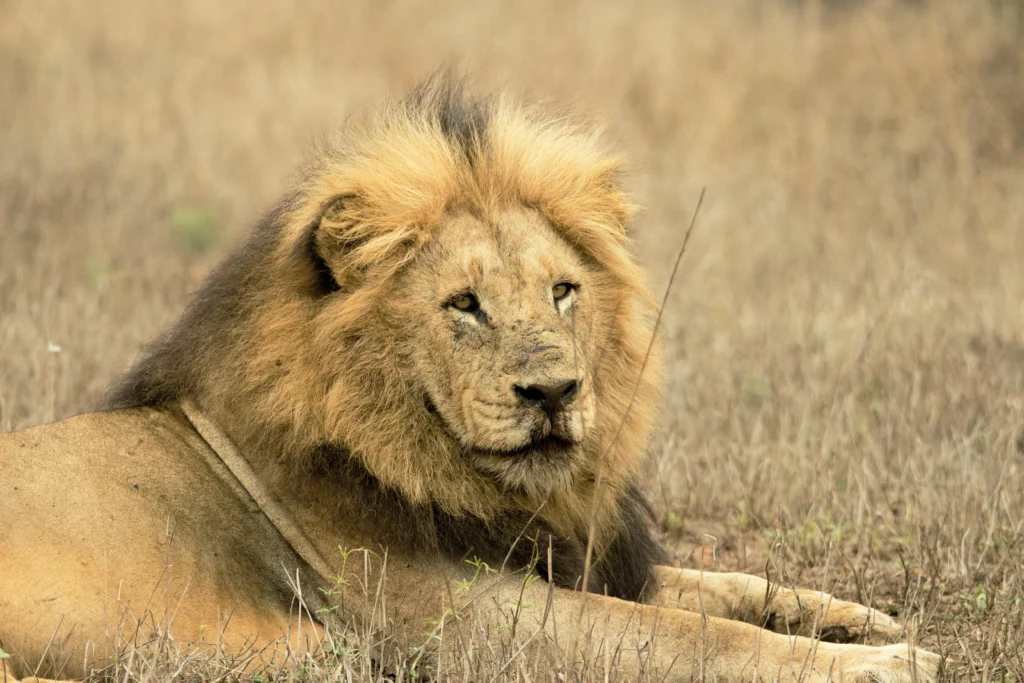
is the Peak Season a Marketing Illusion & Not Always the Best Time for a Kenya Safari?
The global travel industry has a massive stake in convincing you that July through September is the only real window for a Kenya safari, but that’s just an easy sell. The Great Migration which is the movement of 1.5 million wildebeests is a high-drama narrative that looks great on a brochure and very marketable.
But here is the reality check:
-
The Migration Tax is real: As of 2026, Maasai Mara National Reserve fees jump to $200 per person, per day during the peak months.
-
The Traffic Jam: During a river crossing, it is common to see dozens of vehicles fighting for a view which feels less like a wilderness and more like a parking lot.
-
The Price Hikes: Mid-range lodges that cost $300 a night in February can soar to $600+ in August. Your $6,000 budget, which buys luxury in the shoulder season, is suddenly stretched thin.
If you value reverence, space, and your hard-earned money, the peak season might actually be your worst enemy.
Why January to March Wins: The Best Time for Kenya Safari Without Big Crowds and Insane Prices
While the world waits for August, the smart travelers are on the plains in February. Here is why:
1. The Predator Action is Unmatched
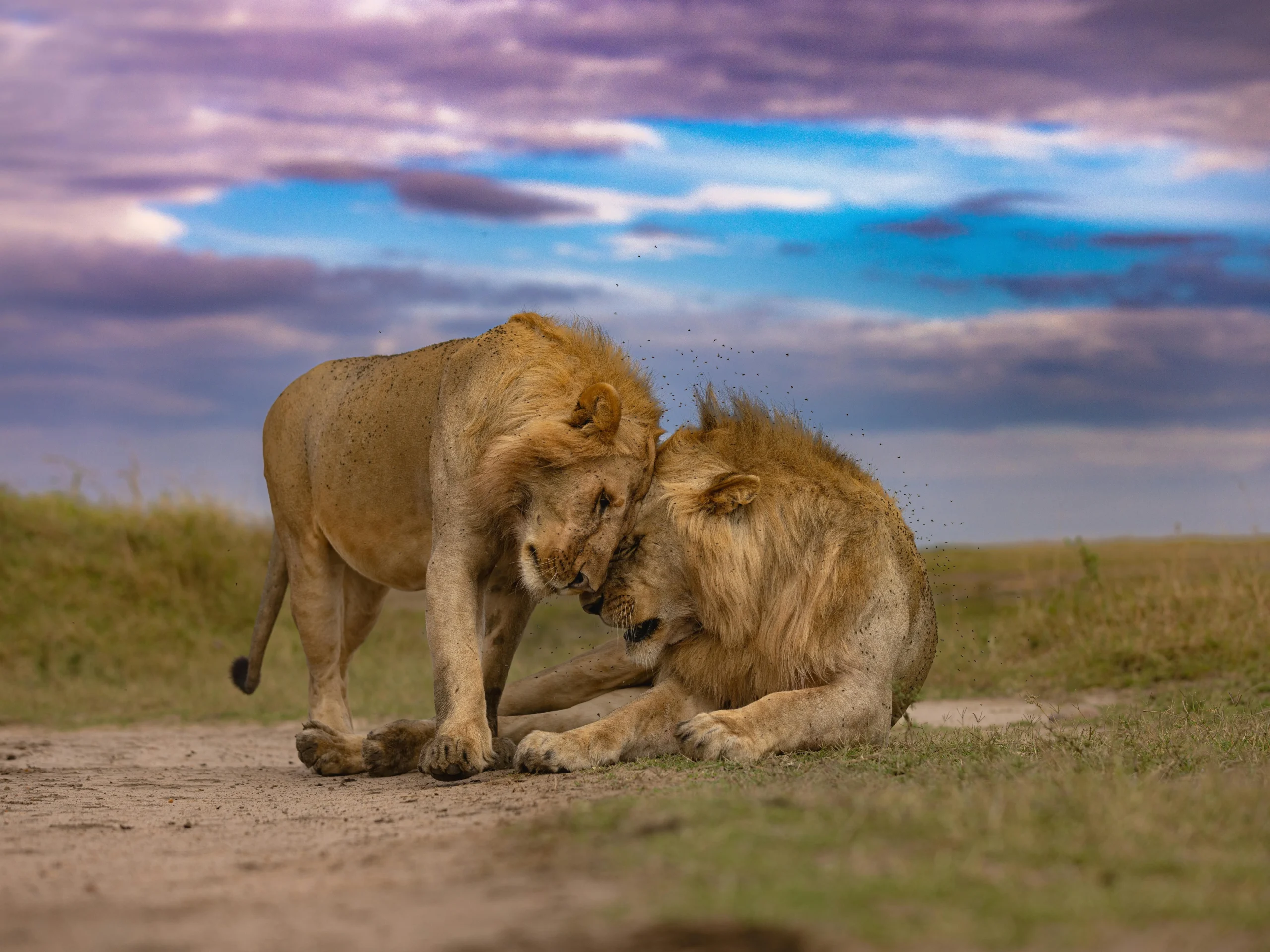
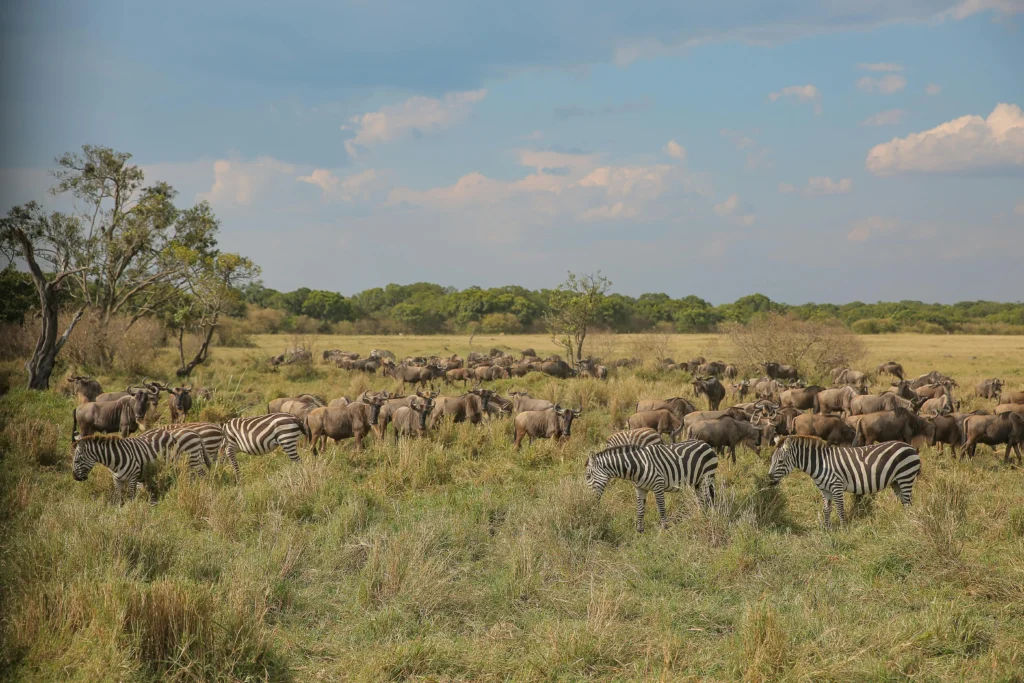
This is calving season. Thousands of wildebeest and zebra foals are born daily. For a lion pride or a cheetah mother, this is a buffet. If you want to see the raw, high-stakes drama of a hunt, this is your window.
2. Short Grass, High Visibility
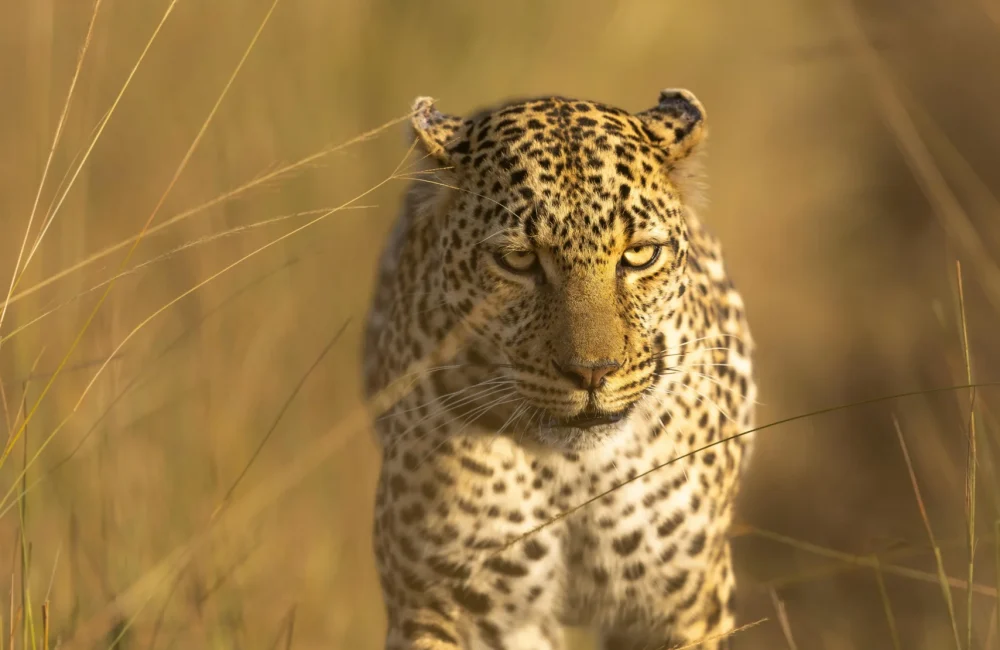
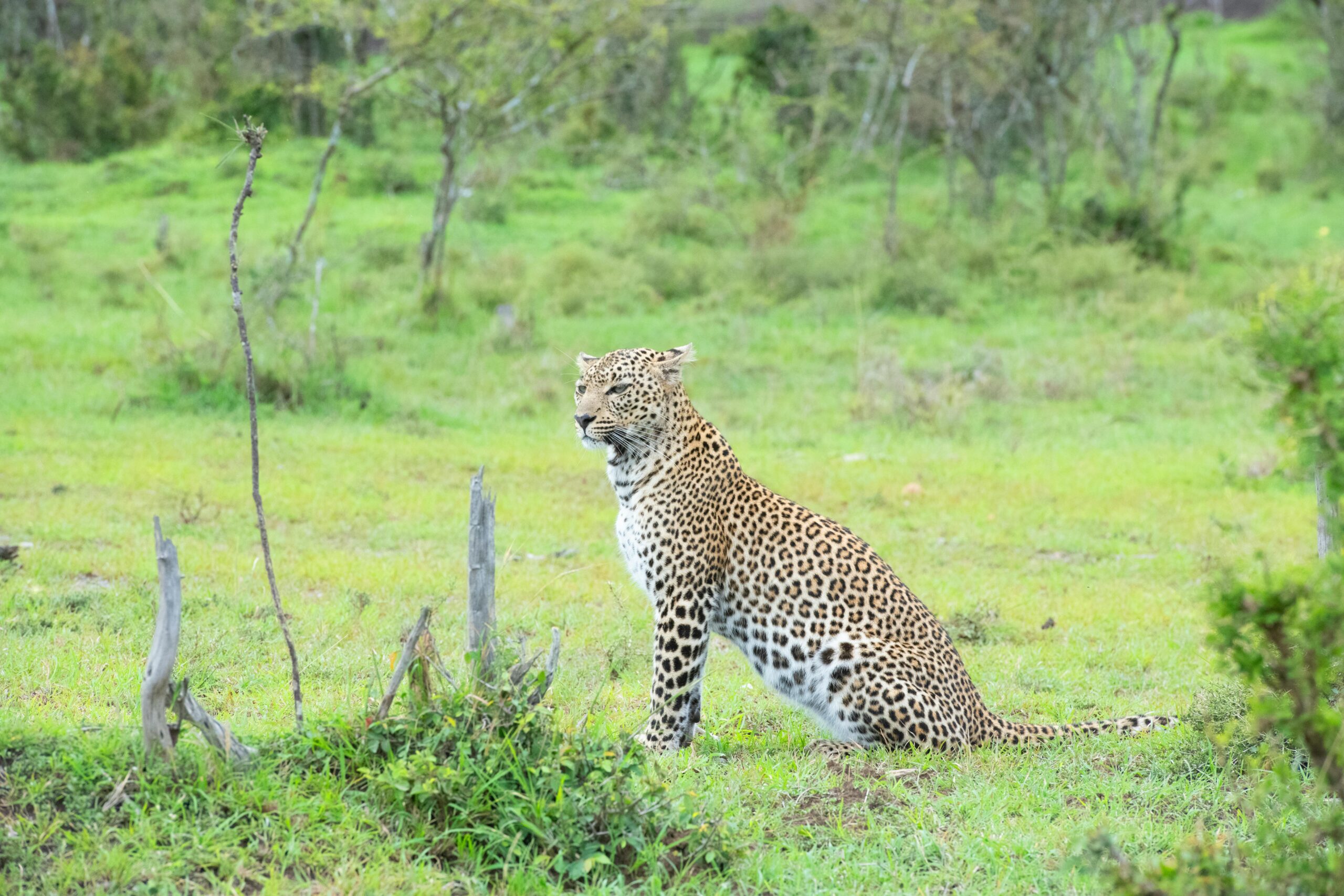
The short rains of November have passed. The plains are a beautiful emerald green, but the grass is short. In the peak of August, a leopard can hide in the tall grass five feet from your truck. In February? They have nowhere to hide.
3. The Price Point
This is the Value Sweet Spot. For a $6,000 budget, Pomelo-ibis can secure boutique, intimate camps that would cost $10,000 in the summer. You get more safari for every dollar spent.
Explore our expert crafted itineraries for your inspiration
Explore our hand-crafted, flexible Kenya safari itineraries designed to showcase resident wildlife, private conservancies, and value-driven travel windows.
Explore Our Private Kenya ItinerariesKenya Safari in the Rainy Season: Is It Worth It?
If you are looking for the absolute best time for Kenya safari without big crowds and insane prices, traveling during the rainy seasons; the Long Rains (April-May) and Short Rains (November) is East Africa’s best-kept secret.
-
Zero Vehicle Traffic: You get total solitude at big cat sightings while avoid the peak season convoy of safari trucks.
-
Dramatic Photography: Clear air, vibrant green landscapes, and stormy skies create world-class lighting.
-
Massive Price Drops: Lodges offer their lowest rates of the year, letting you enjoy luxury camps for a fraction of summer rates.
Best Time for a Kenya Honeymoon Safari
Planning a romantic getaway requires balancing intimate wildlife encounters with avoiding tourist traffic, and ensuring your honeymoon feels like a private sanctuary rather than a crowded tour.
-
The January to March Window: Mild weather, clear skies, and calm plains make early in the year ideal for couples.
-
Private Conservancies for Romance: Staying in private conservancies like Mara North or Naboisho gives you exclusive access to night drives, private bush dinners, and off-road game drives without peak-season surges.
Combine Savanna Big Cats & Mountain Gorillas
Why choose between Kenya and Uganda for your honeymoon? Explore our 12-day combined circuit designed for seamless multi-country adventure without paying double peak-season surcharges.
View 12-Day Kenya & Uganda SafariBest Time to Visit Kenya and Tanzania Together
Combining Kenya’s Maasai Mara and Tanzania’s Serengeti into one trip requires smart timing to avoid double peak-season costs while allowing you to see both countries efficiently.
-
January to March (Calving & Predator Season): Experience Tanzania’s southern Serengeti calving herds alongside Kenya’s resident Big Five in Amboseli and the Mara, all before summer rate hikes kick in.
-
June & October (Migration Fringe Months): Catch the start or end of the Great Migration across borders while securing shoulder-season pricing and avoiding mid-summer vehicle traffic.
Experience the Great Migration Across Two Countries
Track the migration herds across both the Maasai Mara and the Serengeti. Our 12-day dual-country circuit is engineered to place you at the center of wildlife action while avoiding heavy tourist traffic jams.
See 12-Day Kenya & Tanzania RouteA Sample 7-Day Kenya Safari Itinerary
-
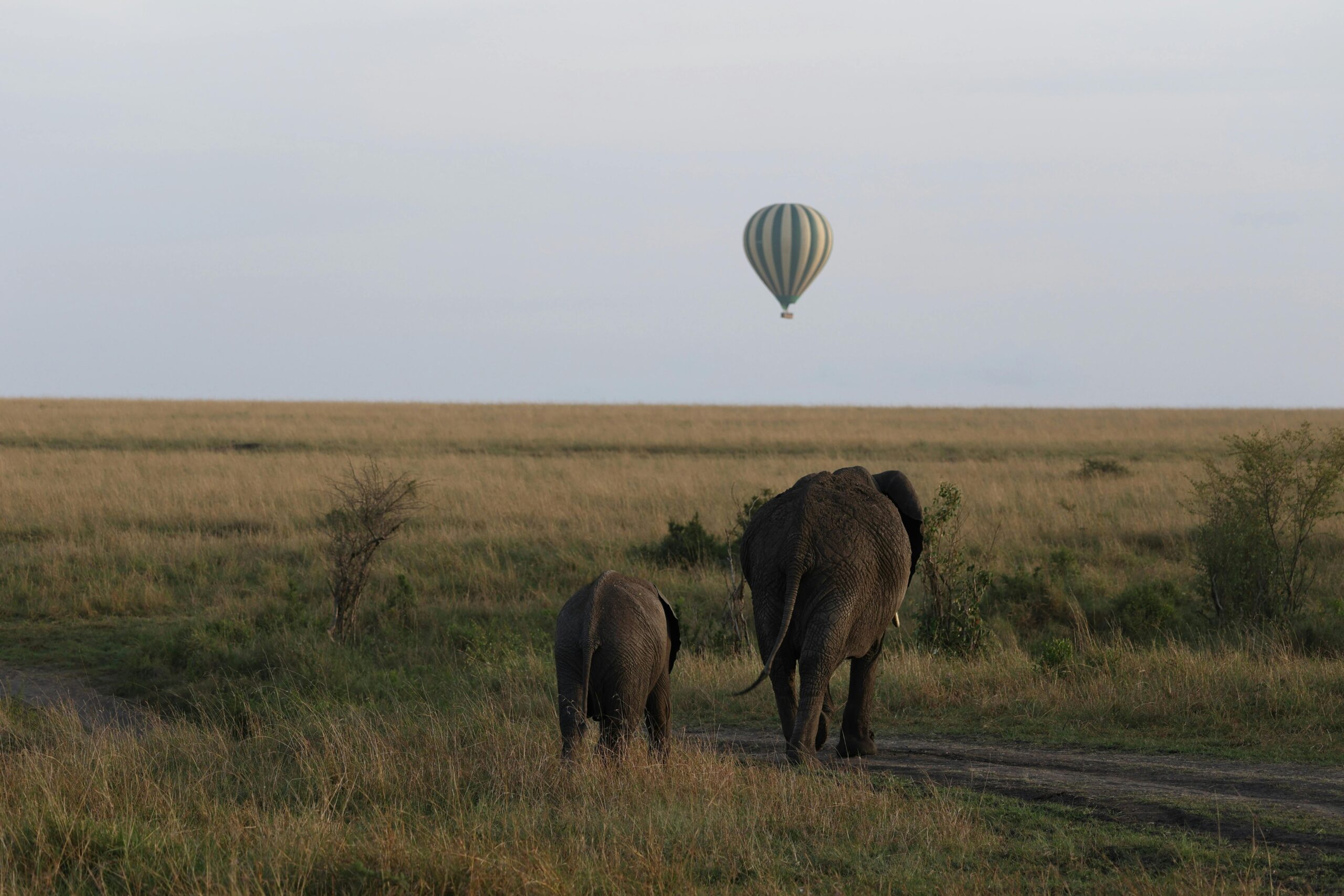
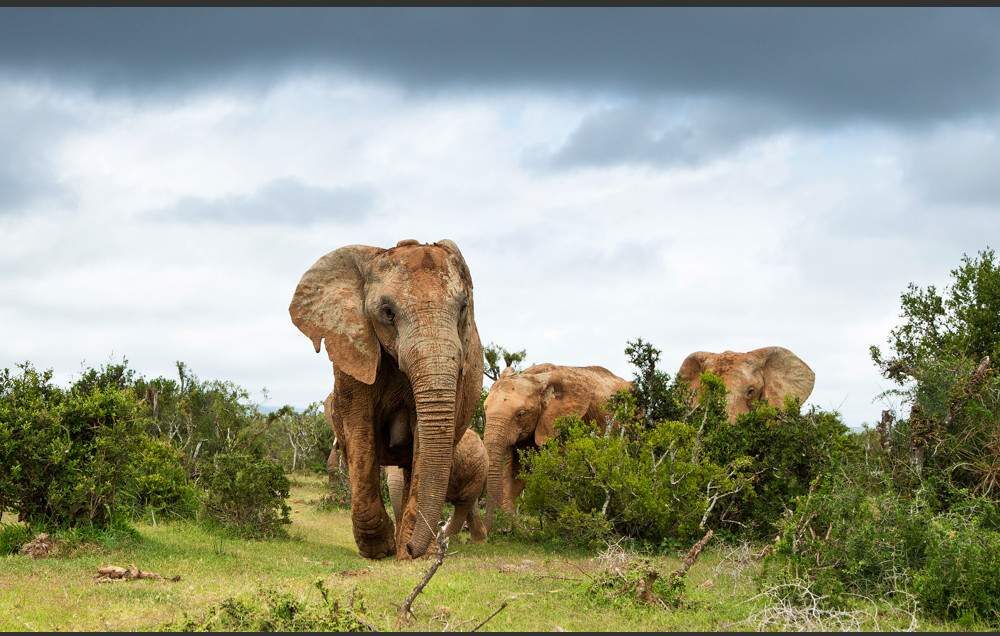
Days 1-2: Amboseli National Park. Witness the world’s most famous elephant herds with Mt. Kilimanjaro as your backdrop.
-
On Day 3: Lake Naivasha. A boat safari and a walking tour on Crescent Island. No cars. No engines. Just you and the giraffes.
-
Then Days 4-7: Maasai Mara Private Conservancy. This is where we focus on the Big Five. By staying in a conservancy, you get the private version of the Mara for a mid-range price.
Is the Peak Season Worth the Double Price?
The Great Migration is a year-round cycle across Kenya and Tanzania, but the Maasai Mara River crossings people picture only happen for a few months of it.
The resident wildlife (the lions, leopards, rhinos, and elephants) are there 365 days a year. They don’t leave for Tanzania because they don’t have passports..
In many ways, seeing the resident wildlife in the off-peak is a superior experience. The animals are less stressed by vehicle noise. Meanwhile, the guides are more relaxed. Lodges, too, are more attentive.
If you pay double, you aren’t paying for more lions. You are paying for the privilege of sharing those lions with a thousand other people.
At Pomelo-ibis Adventures, we refuse to sell you a safari that leaves you feeling like a number in a queue. We believe in the Pomelo-ibis Way!
Visa & Entry Requirements for Kenya
Kenya replaced traditional visas with an Electronic Travel Authorization (ETA) in January 2024. Here’s what you need:
- Kenya-only ETA: Apply at etakenya.go.ke, the only official portal. Costs $30, single entry, valid 90 days.
- East Africa Tourist Visa: Covers Kenya, Uganda, and Rwanda on one application for $100. Worth it if you’re combining a Kenya safari with Uganda gorilla trekking, like our 12-day Kenya & Uganda circuit.
- Some nationalities travel visa-free. Check your exemption status on the official ETA portal before applying for anything.
- Requirements: Passport valid at least six months beyond arrival, a return ticket, and proof of accommodation.
Currency & Payments in Kenya
Currency: Kenyan Shilling (KES)
Payment Methods: Credit/debit cards are widely accepted in cities, but cash is necessary in remote areas.
Mobile Money: M-Pesa is widely used for transactions.
Getting to Kenya; International Flights & Connections
Main International Airport: Jomo Kenyatta International Airport (Nairobi, NBO)
Alternative Airports: Moi International Airport (Mombasa), Wilson Airport (domestic and safari flights)
Major Airlines: Kenya Airways, Emirates, Qatar Airways, Turkish Airlines, British Airways
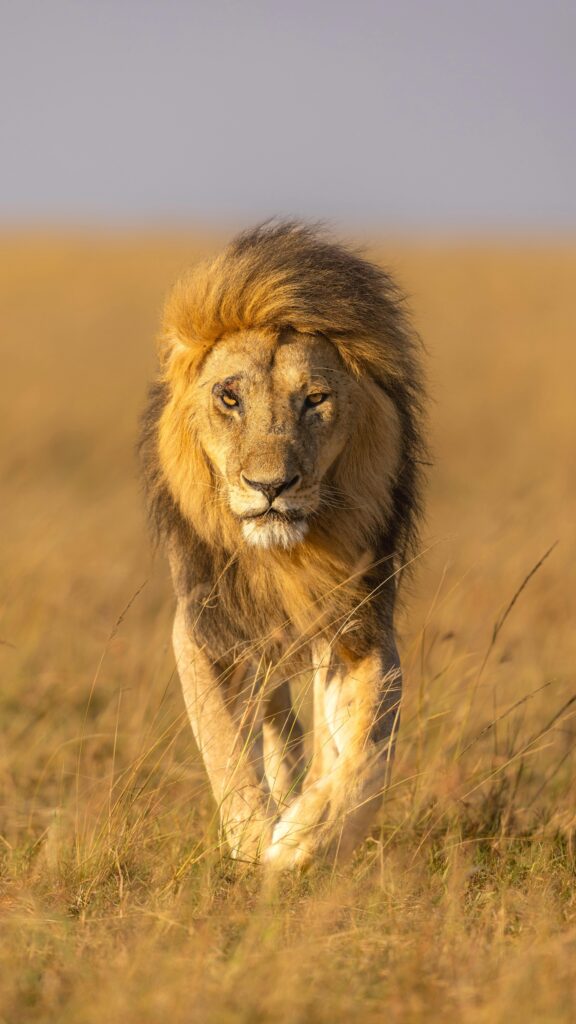
Top Safari Destinations in Kenya
The Maasai Mara
World-famous for its wildlife and the Great Migration.
Amboseli National Park
Home to large elephant herds with Kilimanjaro as a backdrop.
Lake Nakuru National Park
Famous for its vast flamingo populations, birds, and rhino sanctuary, spectacular scenery and wildlife photography opportunities.
Tsavo National Parks
The largest parks in Kenya, known for untamed wilderness. Tsavo East and Tsavo west.
Samburu National Reserve
Rare species like the Grevy’s zebra and reticulated giraffe.
Lake Naivasha & Hell's Gate National Park
A freshwater lake ideal for boat safaris and nature walks at Crescent Island.
Located near Lake Naivasha, Hell’s Gate offers cycling, hiking, and dramatic geothermal landscapes
Plan a Crowd-Free Kenya Safari With Us
Ready to skip the 40-vehicle traffic jams and insane peak-season price hikes? Speak to our Experts to design a private safari tailored to your budget and travel window.
Contact Our Safari ExpertsPractical Travel Tips for International Visitors to Kenya
Book early for peak season (July–October)
Travel insurance is essential
Consult a travel clinic before departure
Pack layers for early morning game drives
I want to see the Mara River crossing. If I book a mid-range camp in the Mara Conservancy (Triangle) for late July, am I guaranteed to see it, or do I need to be right on the river?
No one can guarantee a crossing. The Great Migration is driven by rain and instinct, not a calendar.
In late July, the herds are typically arriving, but the massive, chaotic river crossings usually peak between August and September.
As for location: Staying in the Mara Triangle or a private concession gives you incredible guiding, but for river crossings, you need a guide who understands patience.
The On-The-Ground Reality: Don’t tie your entire vacation’s success to a crossing. Book at least 3–4 nights in the Mara to increase your odds, and ensure your itinerary allows for full-day game drives with packed lunches so you don’t have to head back to camp right when the action is brewing.
Is it worth paying the premium for a Private Concession, or is the main Masai Mara National Reserve fine?
If you hate crowds, pay for the concession. 30 land cruisers will surround that tree within twenty minutes when a leopard is spotted in the main reserve.
However, in a private concession like Mara North, Olare Motorogi, or Naboisho, sighting numbers are capped, often to just a handful of vehicles, and off-road driving is typically permitted under conservancy rules.
Split your time. Do 2 nights in a concession for exclusivity, and 1 or 2 nights closer to the river inside the main reserve if you are chasing the migration crossings.
Can I actually do a Kenya safari in a 4x4 Safari Van, or am I going to regret not paying extra for a Land Cruiser?
You will regret the van if you are doing long transits or visiting rugged parks like Samburu or Amboseli.
Safari vans are fine on tarmac roads and flat, dry sections of the Mara. They are cheaper, which is why budget operators love them. But they have smaller wheels, worse suspension, and zero clearance compared to a 4×4 Land Cruiser.
If it rains, vans get stuck instantly, but a Land Cruiser handles the notorious African massage (our corrugated, bumpy dirt roads) much better, meaning you won’t arrive at your lodge with a thrown-out back.
How much cash do I actually need to carry for tips, and do they really reject US dollars printed before 2013?
Yes, they will absolutely reject old US bills. In fact, make sure they are 2017 or newer, completely un-torn, un-creased, and crisp. Banks in East Africa simply do not accept old or damaged foreign currency, so local guides and staff cannot exchange them.
| Expense Type | Recommended Amount (USD) | How to Pay |
| Safari Guide | $20 to $30 per day | Hand directly to guide at the end (per vehicle) |
| Camp/Lodge Staff | $10 to $15 per day | Drop into the communal tip box at checkout |
| Local Porters/Drivers | $2 to $5 per service | Small, crisp bills on the spot |
While dollars are widely accepted, download the Safaricom M-Pesa app if your operator offers a way to link it, or change some cash into Kenya Shillings (KES) at the airport for small purchases. Tipping a spotter or a local market vendor in KES is always preferred because it saves them a trip to the currency exchange.
Plan a Crowd-Free Kenya Safari With Us
Ready to skip the 40-vehicle traffic jams and insane peak-season price hikes? Let our boots-on-the-ground team design a private, premium safari through exclusive conservancies tailored to your exact budget and travel window.
Contact Our Safari Experts