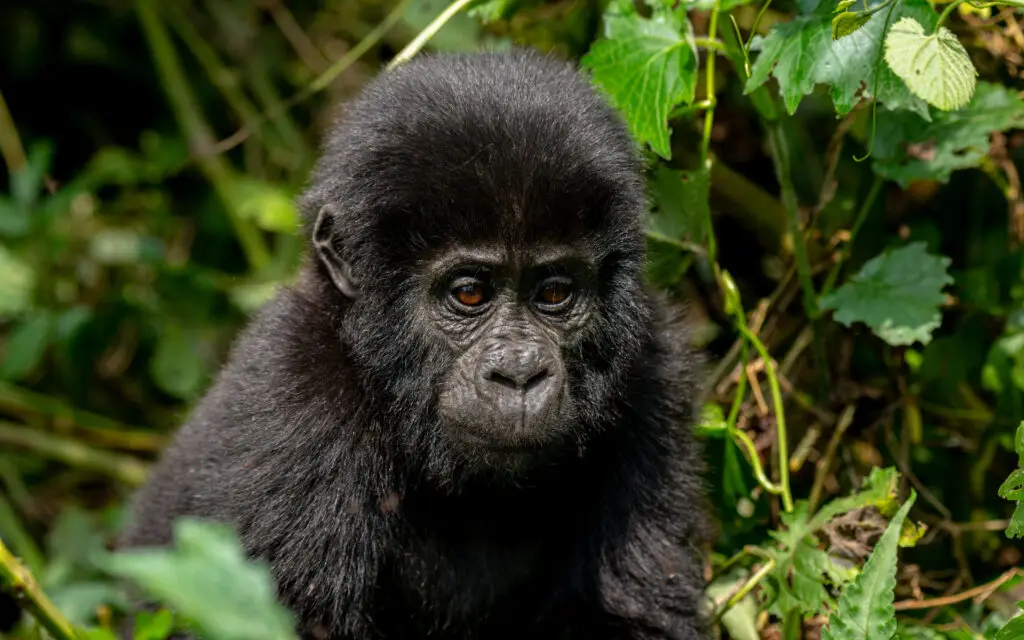
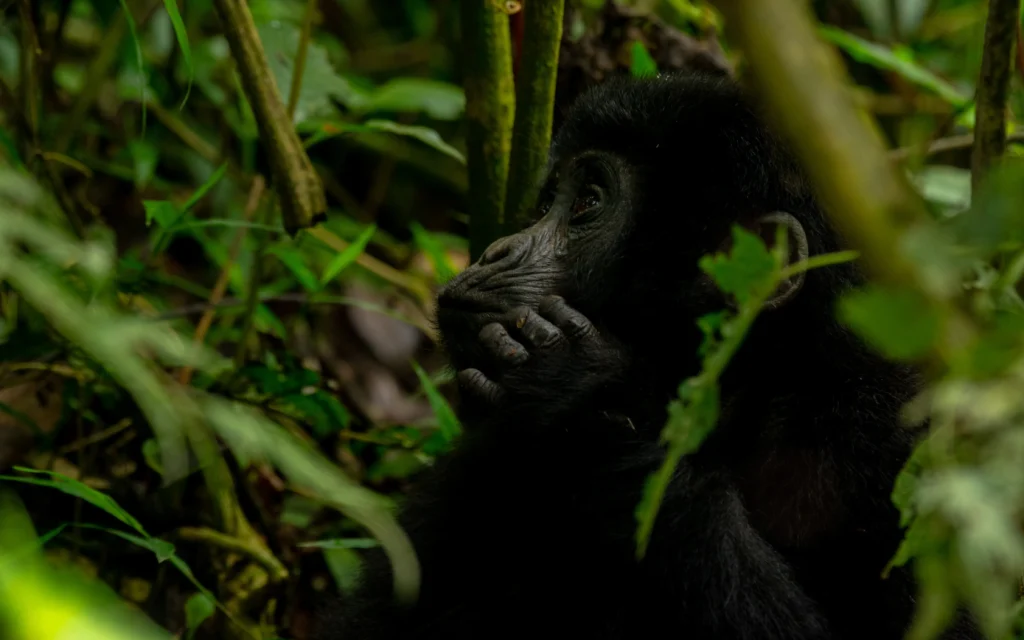
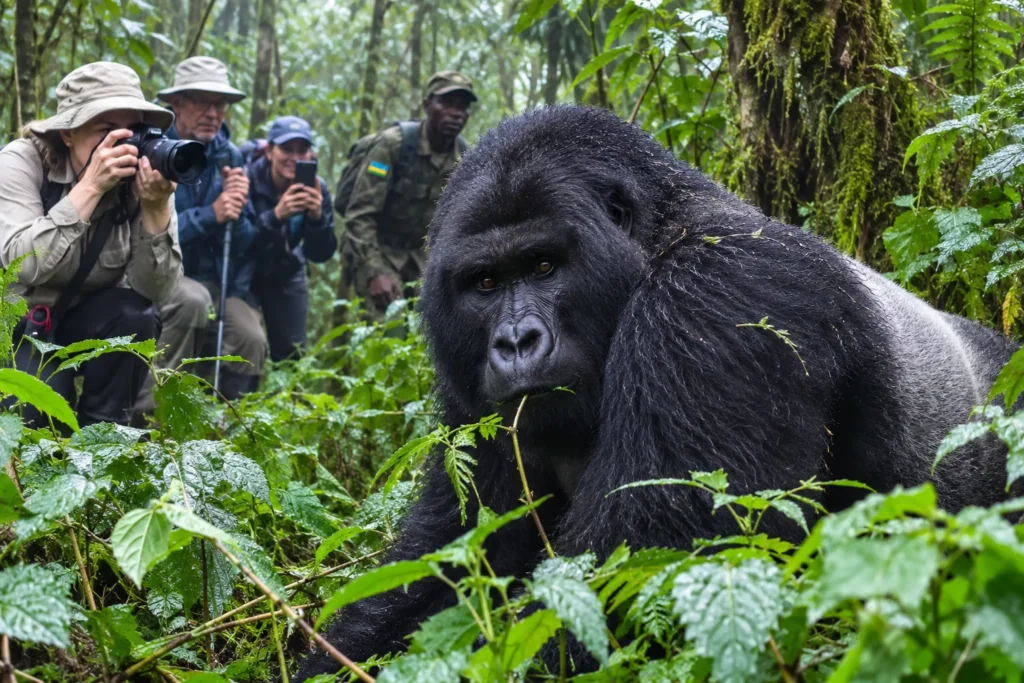
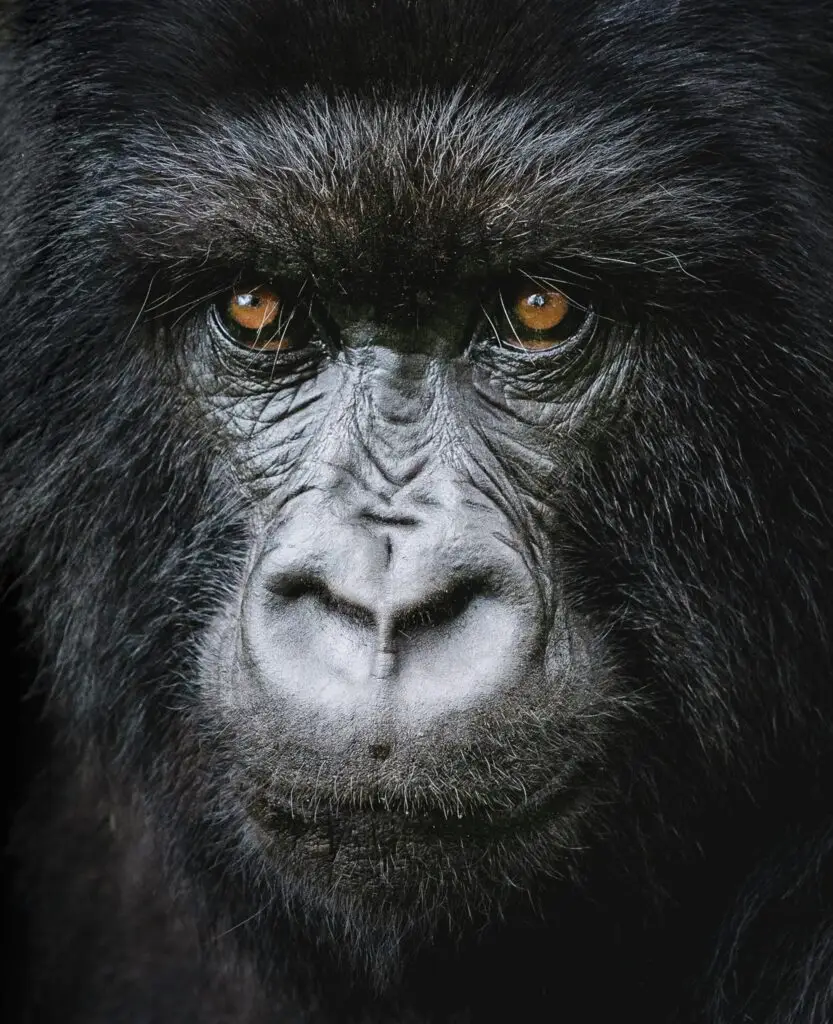
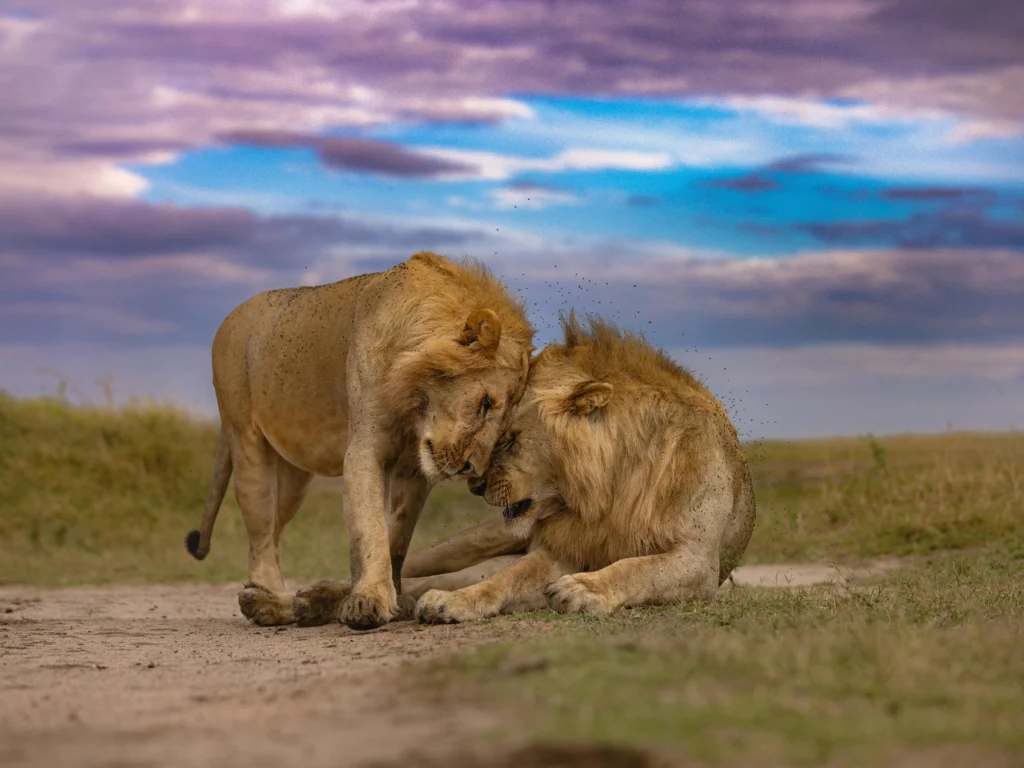
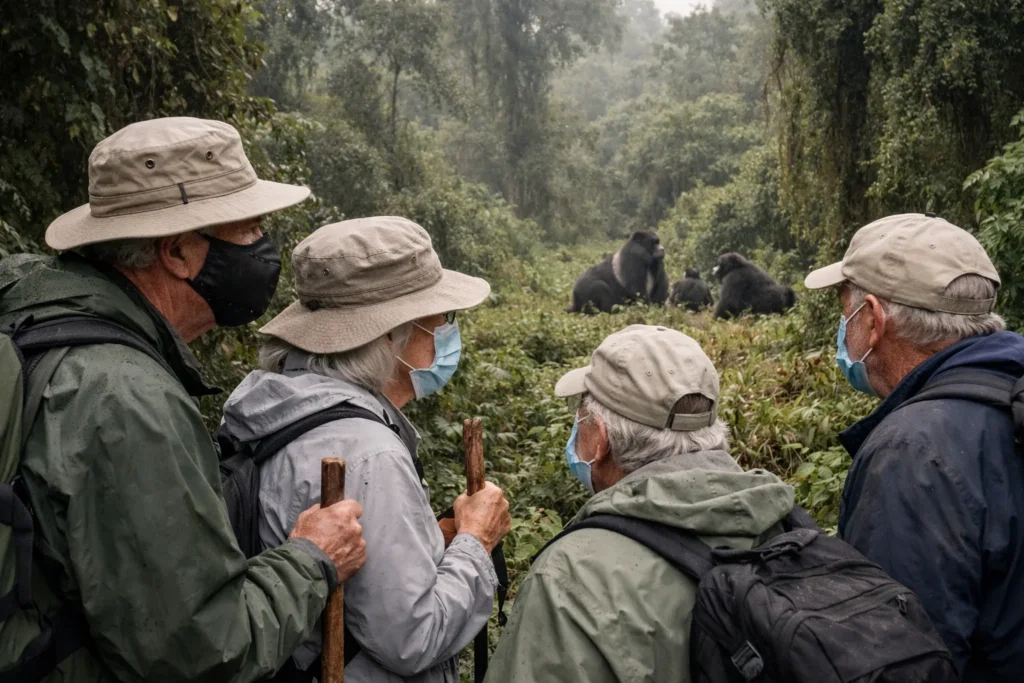
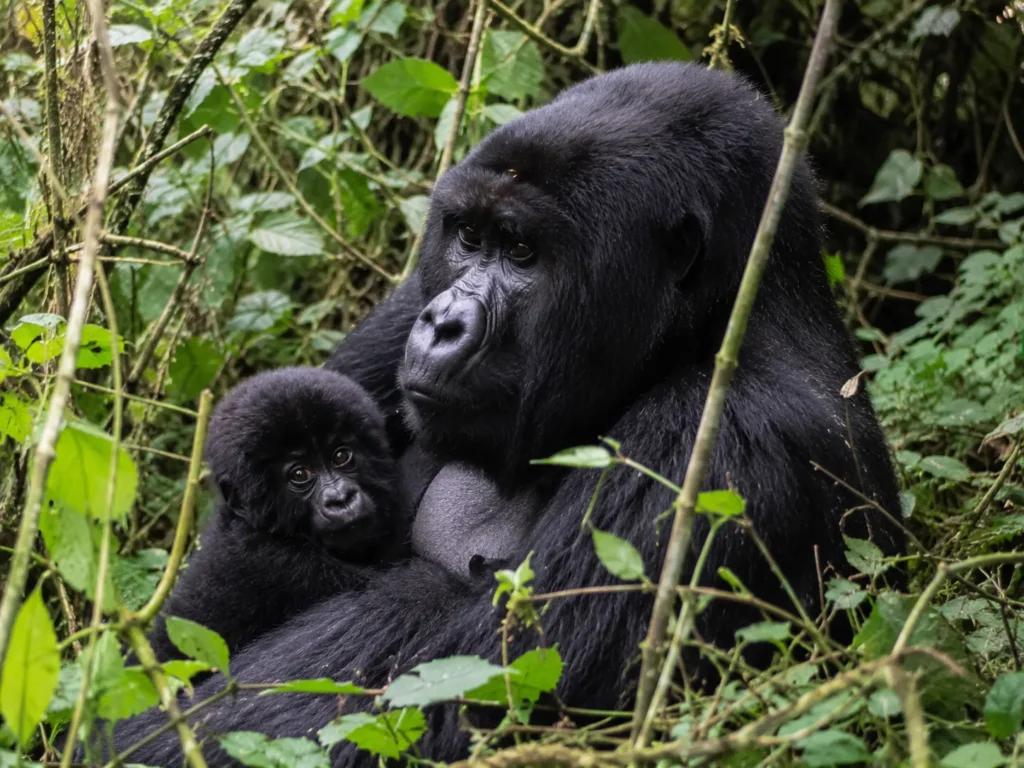
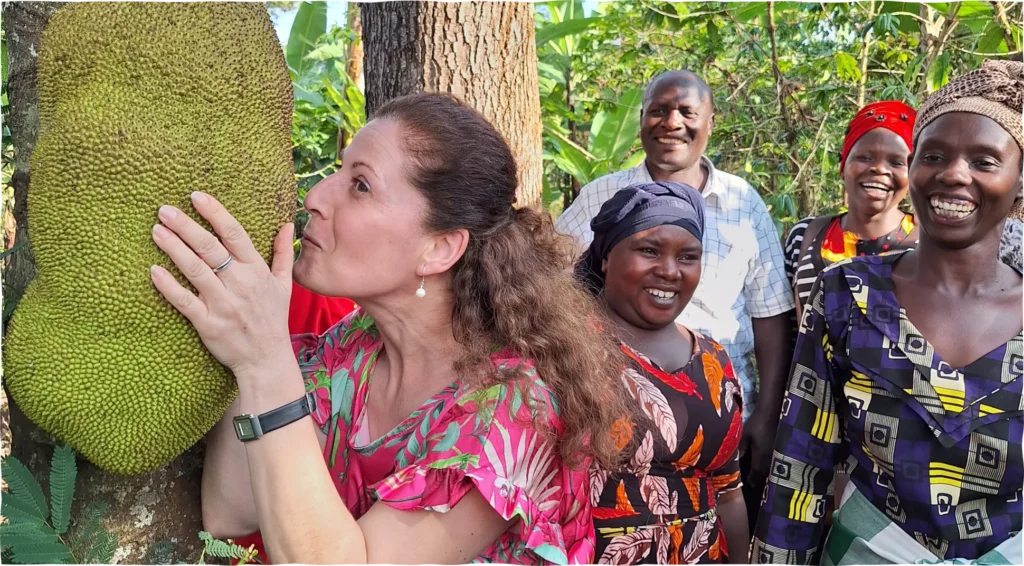
What truly makes Uganda unique? An honest perspective on its people, wildlife, culture, and why the Pearl of Africa leaves a lasting impact. This is an on-the-ground view from a local tour operator. People often ask what makes Uganda unique compared to other African destinations. It’s a fair question. Africa is vast, dramatic, and endlessly diverse; offering incredible landscapes and wildlife across many countries, including Africa’s wildlife destinations. Yet Uganda offers something quietly different. Something visitors don’t always expect, but almost always feel. This isn’t a list of exaggerated claims or polished marketing lines. Instead, it’s an honest perspective on what Uganda feels like when you travel through it slowly, openly, and with curiosity. So, What Makes Uganda Unique Compared to Other African Countries? A Country That Offers So Much in One Journey One of the clearest answers to what makes Uganda unique is how much variety exists within a relatively small country. In a single trip, travelers can experience dense rainforests, open savannahs, towering mountains, and expansive lakes. Gorilla trekking in Bwindi, chimpanzee tracking in Kibale, classic game drives in Queen Elizabeth or Murchison Falls, and boat safaris on the Nile all fit naturally into one itinerary. Unlike destinations where long internal flights are necessary, Uganda connects these experiences through scenic road journeys. Along the way, travelers witness everyday life; villages, farms, markets, and landscapes that change gradually rather than abruptly. Explore our carefully designed Uganda safari itineraries that combine primates, wildlife, and culture in one journey. Uganda Feels Real, Not Designed For Tourists Uganda does not feel overly packaged for tourism, and that is part of its charm. Life unfolds as it normally would, whether visitors are present or not. Children walk to school. Fishermen cast their nets at sunrise. Roadside markets operate without performance or pretense. These moments aren’t staged for cameras, they simply happen. Because of this, travel in Uganda feels grounded and human. While things may not always run with clockwork precision, the experience feels genuine. For many visitors, this authenticity becomes one of the strongest reasons Uganda’s uniqueness stays with them long after they leave. Because of this authenticity, many travelers choose to travel with a local Uganda tour operator who understands the country beyond guidebooks The Pace Is Slower, In a Good Way Another subtle but powerful part of what makes Uganda unique is its rhythm. Life moves more slowly here. Conversations are unhurried. Meals are shared without rushing. Days unfold naturally instead of being tightly scheduled. Rather than chasing highlights, visitors often find themselves becoming more present. This slower pace creates space to reflect, observe, and connect both with people and with the environment. This rhythm is especially noticeable during longer safaris planned around the best time to visit Uganda, when weather and travel flow naturally. The People Are the Strongest Impression Uganda’s greatest asset is not its wildlife or landscapes. It is its people. Hospitality here feels instinctive rather than rehearsed. Conversations start easily. Laughter comes naturally. Help is often offered without being asked. Many visitors say they felt comfortable and safe before they could explain why. That sense of ease is not accidental. It comes from a culture shaped by community, resilience, and openness. For many, this human connection becomes the clearest answer to what makes Uganda unique. A Cultural Crossroads Uganda sits at the intersection of East Africa, Central Africa, and the Great Lakes region. This position has shaped its languages, food, music, and traditions. Across the country, cultures shift subtly from region to region. Local customs, storytelling, and faith play an active role in daily life. Rather than being preserved only for ceremonies, culture is lived openly and continuously. This depth adds layers to the travel experience, making Uganda feel complex, grounded, and alive. An Honest Perspective! What Uganda Is and Isn’t Uganda is not the most luxurious destination in Africa, and it does not try to be. While high-end lodges exist, they are not everywhere. Some roads are rough. Infrastructure can be inconsistent. However, these realities also filter the type of traveler Uganda attracts. Those who value authenticity, connection, and meaning tend to find that these so-called imperfections enhance the journey rather than diminish it. Understanding this balance is essential to understanding what makes Uganda unique. Travel here rewards patience, curiosity, and thoughtful planning, especially for those on a first-time safari in Uganda. Wildlife That Feels Personal and Close Uganda’s wildlife encounters feel intimate rather than distant. Animals here don’t exist behind layers of spectacle. Elephants cross roads without warning. Hippos graze near fishing communities. In Bwindi, mountain gorillas don’t perform for visitors, they acknowledge them, briefly and calmly, before returning to their lives. Gorilla trekking, in particular, reshapes how people understand wildlife experiences. The quiet, the proximity, and the mutual awareness create moments that feel humbling and deeply emotional. For many travelers, this is a defining answer to what makes Uganda unique. Few experiences compare to mountain gorilla trekking in Bwindi, where encounters feel quiet, respectful, and deeply moving. So, What Makes Uganda Truly Unique? You may now decide. Uganda does not shout for attention. It doesn’t overwhelm visitors with spectacle or excess. Instead, it invites them in quietly. It slows you down.It connects you to people.It humbles you through nature. And long after the journey ends, it lingers..not as a checklist of places seen, but as a feeling remembered. That is what makes Uganda unique. Plan your Uganda safari with a local expert FAQs What makes Uganda unique compared to Kenya or Tanzania? Uganda offers similar wildlife experiences but adds rainforest primates, mountain landscapes, and a slower, more personal travel pace. Gorilla trekking is a major difference. Is Uganda good for first-time visitors to Africa? Yes. Uganda is welcoming, relatively compact, and easy to combine wildlife, culture, and nature in one trip, especially with proper planning. Is Uganda safe for tourists? Uganda is generally safe for travelers. Most trips are trouble-free, particularly when arranged with experienced local operators who understand routes, timing, and regions.