This is the best 7 day gorilla trekking itinerary in uganda
The best 7 day gorilla trekking itinerary starts with Entebbe arrival. Next comes a 90 minute flight to Bwindi Impenetrable Forest, then one full day of gorilla trekking. From there you drive to Queen Elizabeth National Park’s Ishasha sector for tree-climbing lions. An optional morning game drive comes next, followed by a crossing to the Kazinga Channel for an afternoon boat cruise. A domestic flight takes you back to Entebbe on Day 6. Day 7 stays free as a pure departure day.
Summary of this 7 Day Uganda Gorilla Trekking itinerary
- Day 1: Arrival in Entebbe
- Day 2: Fly to Bwindi (under 90 minutes)
- Day 3: Gorilla trekking
- Day 4: Transfer to Ishasha
- Day 5: Optional morning game drive, then Kazinga Channel boat cruise
- Day 6: Transfer to Kasese, fly back to Entebbe
- Day 7: Departure from Entebbe Airport back to your country.
Flying instead of driving between Entebbe and Bwindi is what makes this 7 day gorilla trekking itinerary work in seven days. The overland alternative runs roughly 8 to 10 hours each way. On a 7 day trip, that eats two full days just sitting in a vehicle.
I have built and run gorilla trekking itineraries out of Uganda since 2019. The single biggest mistake I see in published “7 day Uganda gorilla safari” itineraries is that they quietly assume you are driving to Bwindi. You are not, if you want the trip to actually work in seven days.
Here is the itinerary I would build for a first-time guest, day by day, with the reasoning behind each choice.
Why Seven Days Is a Real Constraint, Not a Marketing Number
Most professionals asking about a 7 day gorilla trekking itinerary have exactly one week off work. Every transport hour is a direct trade against an experience hour.
Bwindi Impenetrable Forest sits in the far southwest of Uganda. Entebbe International Airport sits on Lake Victoria, close to Kampala. Between them is a genuinely stunning route, mostly tarmac now, but still 8 to 10 hours depending on which sector of Bwindi you are headed to.
Do that drive both ways on a 7 day trip and you have spent close to a third of your total time in a vehicle. That is the arithmetic problem this itinerary is built to solve.
Day 1: Arrival in Entebbe
Most international flights land in Entebbe in the evening or early morning. Plan Day 1 as arrival and rest, not sightseeing.
Clear immigration, collect your visa (Uganda’s East Africa Tourist Visa covers Uganda, Rwanda and Kenya on one visa if you are combining countries), and transfer to a lodge near the airport or on Lake Victoria.
If your flight lands early enough, a visit to the Uganda Wildlife Education Centre works well as a low-effort first activity. Otherwise, sleep. You will want to be rested for tomorrow’s flight and briefing.
What I Tell First-Time Guests About Day 1
Do not schedule anything demanding on your arrival day. A long-haul flight, jet lag, and altitude changes later in the trip already add up to a real physical load.
Day 2: Fly to Bwindi in Under 90 Minutes
This is the day the entire itinerary hinges on.
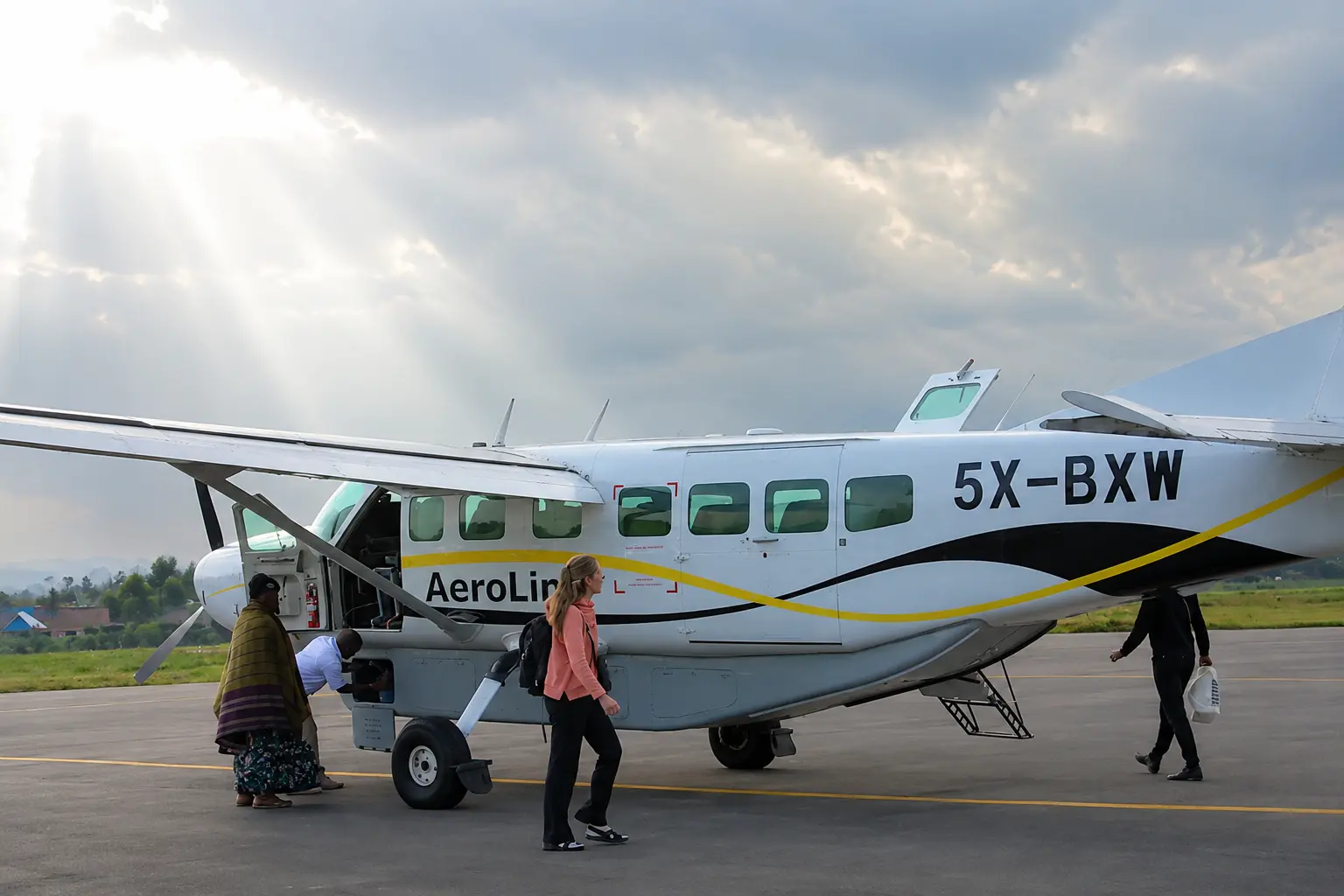
A scheduled or chartered flight from Entebbe or Kajjansi airstrip reaches one of Bwindi’s airstrips in under 90 minutes. The road transfer covering the same distance takes 8 to 10 hours. That gap is why this single decision makes this 7 day gorilla trekking itinerary realistic instead of a rushed compromise.
This is where Pomelo-Ibis Adventures builds its model differently from a standard overland Uganda safari. We book the fly-in leg directly through AeroLink and otherregional partners. Guests land in Bwindi by mid-morning instead of losing an entire day to the drive, with the whole afternoon still ahead of them.
What that freed-up afternoon looks like in practice:
- A guided forest-edge nature walk near your lodge
- A briefing on gorilla trekking rules, including the 10-meter distancing regulation the Uganda Wildlife Authority enforces
- A visit to a local Batwa or Bakiga community, depending on your sector
- Simple rest and acclimatization to Bwindi’s altitude, which ranges from 1,160 to 2,607 meters depending on location
One detail catches people off guard: your phone works fine for photos. Uganda Wildlife Authority rangers only ask you to switch off calls and internet during the trek. They do not restrict your camera. The rule against flash photography is the one hard limit; otherwise, shoot as much as you want.
An Operator’s Note on Which Sector to Book
Bwindi has four trekking sectors: Buhoma, Ruhija, Rushaga and Nkuringo. Your assigned sector matters beyond the trek itself, because it sets the length of your Day 4 transfer out of Bwindi. More on that below.
Ready to Experience Bwindi Without the Long Drive?
Flying from Entebbe to Bwindi saves almost two full days compared to driving, giving you more time with mountain gorillas and less time on the road. Let us design the most efficient itinerary around your travel dates.
Plan My Fly-In Gorilla Safari →Day 3: Gorilla Trekking Day One
This is the day most people book the whole trip for.
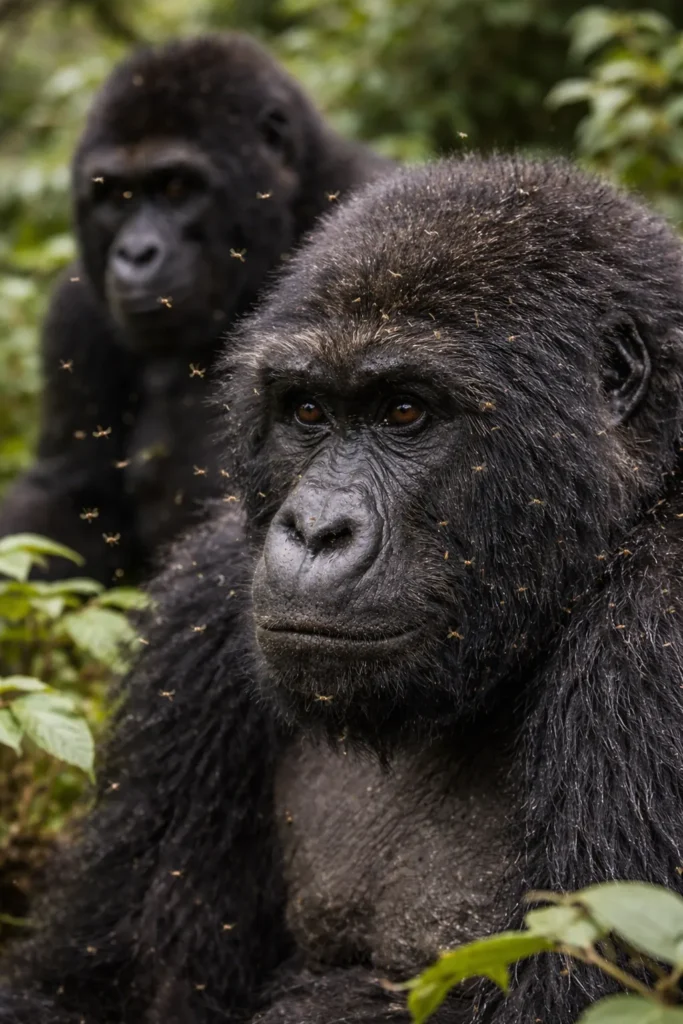
Trekking starts early with a briefing at your sector’s park headquarters. Rangers place groups of up to 8 guests with a specific habituated gorilla family. Armed rangers and trackers accompany every group, and trackers typically locate the family’s overnight nesting site before your group even sets off.
Trek duration stays genuinely unpredictable. I have had guests reach their gorilla family in 45 minutes. I have had others hike for over 6 hours through steep, muddy terrain. Bwindi means “impenetrable” for a reason, and the gorillas do not stay still, so no operator can honestly promise you a short trek.
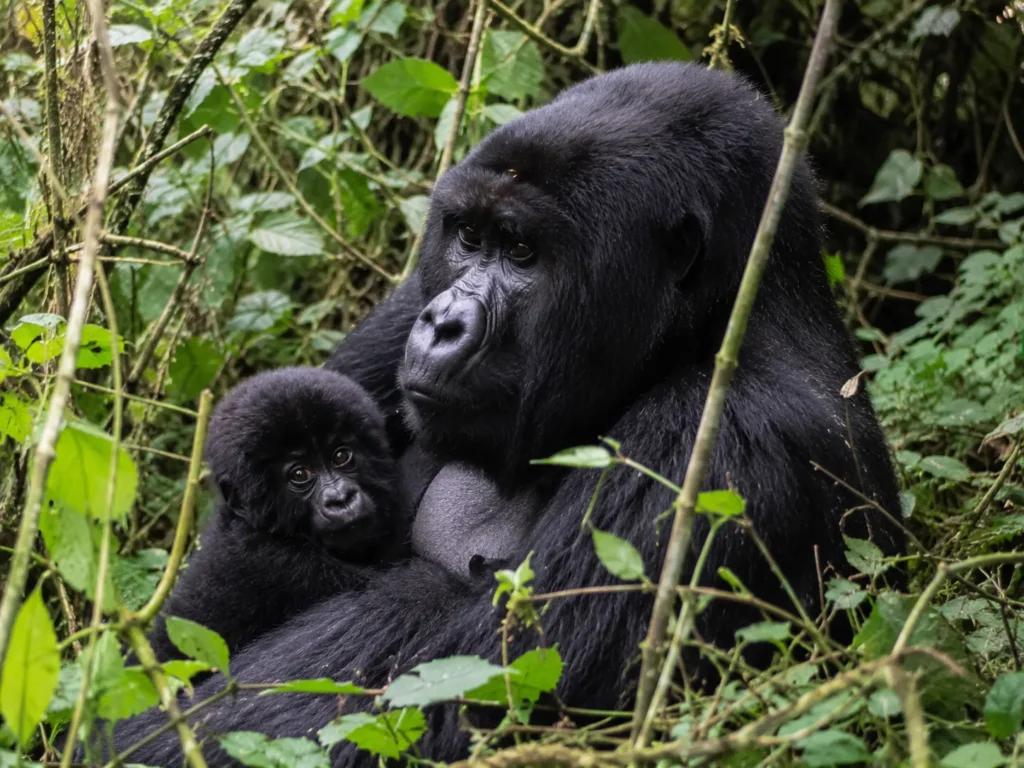
Once you find the family, your ranger gives you one hour with them, timed and held at a minimum distance of 10 meters.
What guests consistently underestimate about this day:
- The physical demands. Hire a porter even if you consider yourself fit; they are worth it.
- The permit cost. A Uganda gorilla permit costs $800 per person, against $1,500 in Rwanda. That price gap is one reason serious trekkers increasingly choose Uganda, even with longer historical transfer times.
- The emotional impact. I have watched hardened business travelers go quiet and just watch. That reaction is not exaggeration for content. It happens on nearly every trek.
Should You Extend This to 8 Days for a Second Trek or Habituation?
If your schedule has any flexibility at all, my honest recommendation is yes. One trek gives you one gorilla family, one dynamic, one story. A second trek or a habituation experience gives you a genuinely different encounter. It is the single upgrade guests tell me they are most glad they made.
Second gorilla trek. A different family, a different terrain, often a completely different feel. No two treks play out the same way. Seeing infants and juveniles in a second family rounds out the picture in a way one encounter cannot.
Gorilla habituation experience. The Rushaga sector alone offers this option. It extends your time with a semi-habituated family to up to four hours instead of one, alongside the researchers and trackers actively working to habituate that group to human presence. The cost runs higher and the day demands more physically, but nothing else gets a paying guest this close to field research access.
Add this extra day and it slots in right here, between Day 3 and the transfer out of Bwindi, turning this into an 8 day itinerary. Everything from what is currently Day 4 onward simply shifts back by one day. I recommend this addition strongly enough that I call the 7 day version the minimum viable itinerary, and the 8 day version the one I actually want you to book.
Secure Your Gorilla Trek Before Permits Sell Out
Uganda gorilla permits are limited and frequently sell out months in advance during peak travel seasons. We take care of your permits, domestic flights, accommodation and private safari guide, making your gorilla trekking experience completely seamless.
Check Gorilla Permit Availability →We have direct access to the Uganda Wildlife Authority (UWA) Permit Portal and we can check live permit availability anytime of the day!
Day 4: Transfer to Ishasha
This transfer varies more than most published itineraries admit, and your Bwindi sector decides most of that variation.
Buhoma to Ishasha runs the shortest, at approximately 3 hours, since Buhoma sits in the northern part of Bwindi, closest to Queen Elizabeth National Park. Ruhija, Rushaga or Nkuringo to Ishasha can take anywhere from 5 to 7 hours, since those sectors sit further south and east.
If this leg matters to you, and it does for most guests running the Ishasha and Kazinga Channel extension, ask your operator to prioritize a Buhoma sector permit. That request is the one lever you actually control, since the Uganda Wildlife Authority assigns permit sectors based on availability rather than guest preference.
Ishasha sits in the far south of the park, away from the main tourist circuit. One specific behavior defines it: lions climb into fig and sycamore trees and rest there for hours during the heat of the day, a trait very few lion populations anywhere show.
You overnight in Ishasha. I like this quieter, more remote stretch of the park precisely because it follows a demanding trekking day. Fewer vehicles, fewer people, more room to just sit and watch.
Day 5: Optional Morning Game Drive, Then the Kazinga Channel
Ishasha’s tree-climbing lions stay most active and easiest to spot in the early morning, so a game drive at first light is worth building into this day if you want a real shot at seeing them.
I treat this game drive as optional rather than mandatory for one honest reason: lion sightings in Ishasha carry no guarantee. Some mornings you find them within the first hour. Other mornings you drive for two hours and see only tracks. Guests who expect a documentary-grade encounter sometimes leave disappointed. Guests who go in for the drive itself, treating a lion sighting as a bonus, almost always come back happy.
After the game drive, you cross to the other side of Queen Elizabeth National Park, near the Kazinga Channel connecting Lake Edward and Lake George.
In the afternoon, a boat cruise on the Kazinga Channel delivers some of Uganda’s highest wildlife density per hour of any single activity. Hippos, buffalo, elephants and an enormous range of birdlife line the banks, often close enough that you will not need a long lens.
The rest of the day stays unstructured on purpose. After a demanding week, this is deliberately the slow one: lodge, pool, sundowner, nothing scheduled.
Day 6: Transfer to Kasese, Fly to Entebbe
A short transfer from the Kazinga Channel area gets you to Kasese airstrip, where a domestic flight returns you to Entebbe in under 90 minutes.
The alternative, an 8 to 10 hour drive back to Entebbe, would eat your whole day. Flying instead gets you into Entebbe by mid to late afternoon, with the evening still free.
You overnight in Entebbe. This is a deliberate structural choice, not filler: it keeps Day 7 free of travel entirely, just a clean departure from your hotel whenever your international flight requires.
Day 7: Departure
Nothing is scheduled. Depending on your flight time, this looks like a slow breakfast, a last walk along Lake Victoria, or simply checkout and a transfer to the airport.
Since the domestic flight and the overnight already happened on Day 6, this day carries none of the risk that comes with cutting a long transfer close to an international departure. Removing that exact risk is what the fly-fly structure of this 7 day gorilla trekking itinerary is designed to do.
Looking for an Even More Exclusive Uganda Safari?
Upgrade your adventure with our luxury 12-Day Uganda Fly-In Safari. Trek mountain gorillas, track chimpanzees, search for tree-climbing lions, enjoy unforgettable game drives and boat cruises, and stay in Uganda’s finest safari lodges.
Explore the 12-Day Fly-In Safari →What Actually Makes This 7 Day Gorilla Trekking Itinerary Work
Strip away the day-by-day detail and the structure comes down to one decision: fly the two long legs, drive the shorter legs in between, and land the domestic flight a full day before international departure, not on the same day.
- Entebbe to Bwindi: fly (90 minutes instead of 8 to 10 hours)
- Bwindi to Ishasha: drive (3 hours from Buhoma, up to 7 hours from other sectors)
- Ishasha to the Kazinga Channel: drive (a short transfer, with an optional game drive built in)
- Kasese to Entebbe: fly, on Day 6, not Day 7
Why the Day 6 Flight Matters More Than It Looks
That last point is easy to skip past, but it matters more than people expect. Many published itineraries schedule the final flight and the international departure on the same day. One delayed domestic flight puts the whole trip’s ending at risk. Building an overnight in Entebbe before departure removes that risk entirely.
At Pomelo-Ibis Adventures, this is the itinerary structure we default to for guests working with a hard 7 day limit. We also actively push guests toward 8 days whenever a second trek or habituation is on the table. It is the version of this trip that does not force you to choose between seeing Uganda and having time to actually experience it.
A Note on Booking Logistics
The Uganda Wildlife Authority allocates gorilla permits directly, and they sell out well in advance during peak months (June through September, and December through February).
Lock in your permits first if you are building this itinerary, at 7 days or extended to 8, around specific dates.
Flights, lodges and the road transfer all get built around your confirmed permit dates and sector, not the other way around. Mention the Ishasha and Kazinga extension at the permit booking stage if it matters to you; that is the point where a Buhoma sector request actually stands a chance of being honored.
Frequently Asked Questions
Yes, if you fly between Entebbe and Bwindi instead of driving. A Round trip drive alone can consume close to two full days.
If a second gorilla trek or a habituation experience is within budget, yes.
It slots in immediately after your first trek and is the upgrade most guests are glad they made.
A Uganda gorilla trekking permit costs $800 per person, compared to $1,500 in neighboring Rwanda for the same experience
UWA regulations require a minimum distance of 10 meters from the gorillas at all times during the one-hour visit.
It depends on your trekking sector. From Buhoma it is approximately 3 hours. From Ruhija, Rushaga or Nkuringo it can run 5 to 7 hours, since those sectors sit further from Queen Elizabeth National Park.
Yes. Every trek is accompanied by armed UWA rangers and trackers who monitor the gorilla families daily, and group size is capped at 8 guests per habituated family to limit stress on the animals and keep the experience controlled.
Pomelo-Ibis Adventures itineraries include BARSOS emergency medical evacuation cover for the full trip, standard practice for any operator running responsible safaris in this terrain.
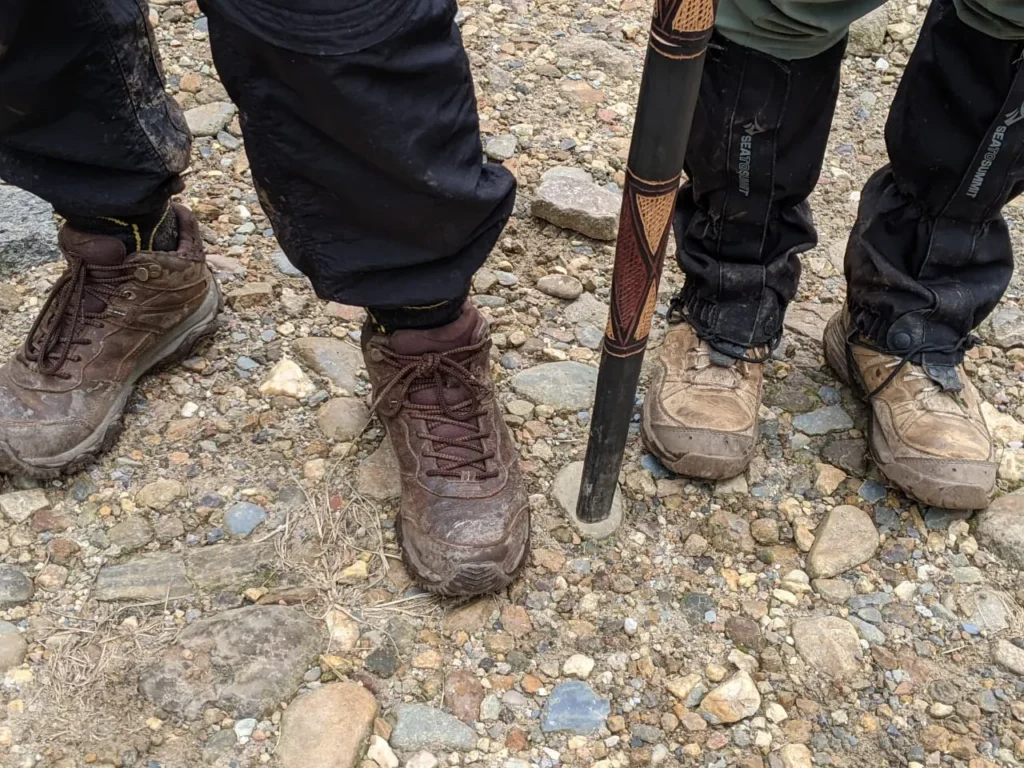
Sturdy hiking boots with ankle support, gardening gloves for grabbing, long trousers and long sleeves in neutral colors, and a rain jacket regardless of season, since Bwindi is a rainforest.
2 litre water bottle. A good smart phone camera is okay. You can carry a DSLR camera with a fully charged battery. Flash photography is prohibited. Standard shooting is okay.
A porter costs $20 and is worth hiring even if you’re fit, since they carry your bag and offer a steady hand on muddy terrain.
You can hire a sedan chair if you prefer not to trek at $300, carried by a team of porters the full distance to the gorillas.