Gorilla Trekking

Uganda gorilla safari company

Why Book Your Uganda Gorilla Safari With Pomelo Ibis Adventures

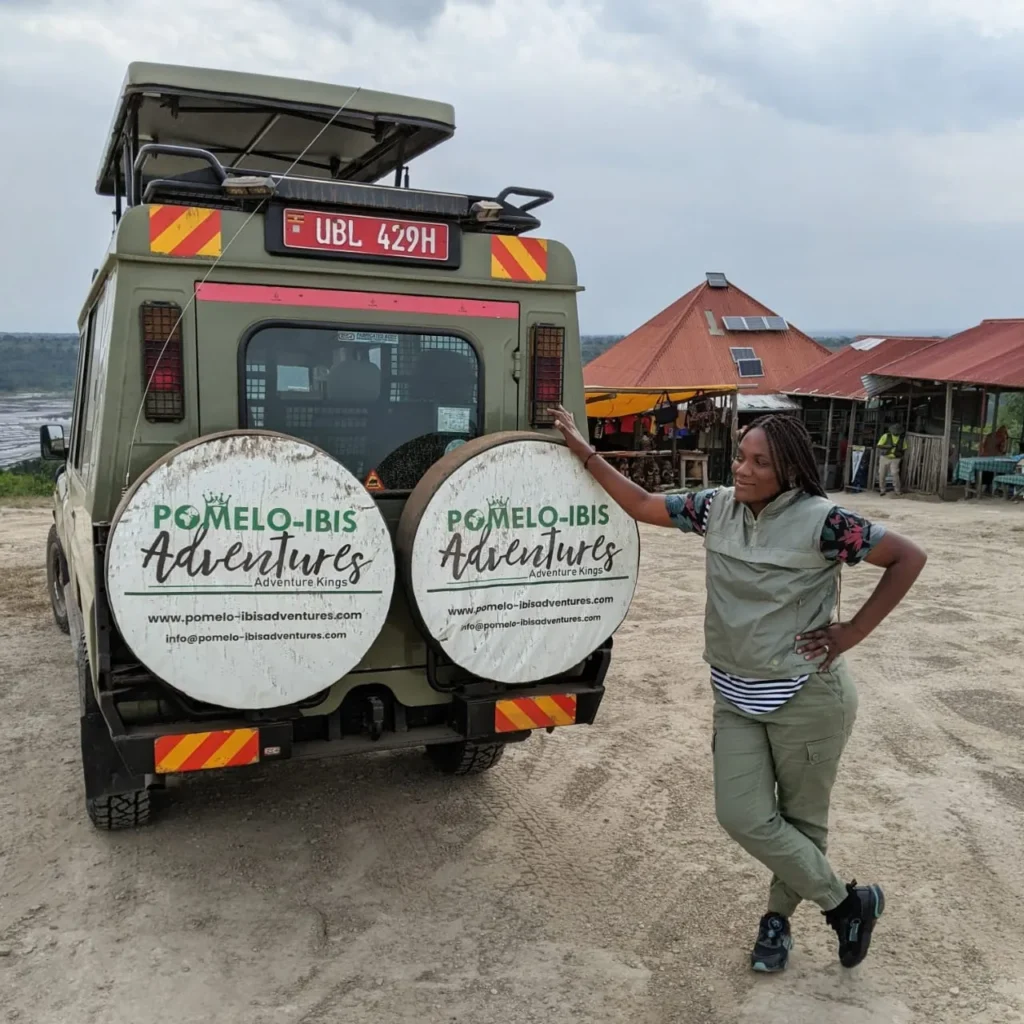
Why Book Your Uganda Gorilla Safari With Pomelo-Ibis Adventures? Pomelo-Ibis Adventures is a UTB-licensed Uganda gorilla safari company license number UTB/RTT/TT/2023/100710, founded in 2019 by Brian and Lindah, and a UWA (Uganda Wildlife Authority) partner. We hold direct login access to the UWA permit portal, fly guests from Entebbe to Bwindi in under 90 minutes instead of a 9 to 10-hour drive, and cover every trip with BARSOS emergency medical evacuation. One team manages your permit, flight, and lodge, not three separate vendors. Choosing a Uganda gorilla safari company comes down to three practical questions: who actually controls your permit, how much of your trip gets eaten by travel time, and what happens if something goes wrong in the forest. Most operator marketing skips straight past these and goes to “unforgettable experience.” We’d rather answer the actual questions, starting with our own credentials. How do you know if a Uganda gorilla safari company is legitimate? Legitimate operators can show you three specific things: UTB registration, a direct or verifiable working relationship with UWA, and named people you can reach, not just a contact form. Facts worth knowing before you hand anyone your card details: Pomelo-Ibis is UTB licensed and a UWA partner, with direct login access to the permit portal ourselves. We book your dates and send you the confirmation, no forwarded emails, no second party in the middle. Ready to book a permit through a licensed, UWA-partnered operator? Enquire Now Why does Pomelo-Ibis fly guests to Bwindi instead of driving? Because the drive eats a full day that could be spent in the forest. Kampala to Bwindi by road takes roughly 8 to 9 hours, and most general-purpose safari companies default clients into that drive because it’s what their fleet is set up for. Pomelo-Ibis was built around the opposite default: our guests fly from Entebbe to Bwindi in under 90 minutes and lose a fraction of that time. On a 4 or 5-day trip, that’s the difference between one extra full day of trekking and one extra day sitting on a murram road. What should a gorilla safari Company cover if there’s a medical emergency? At minimum, coordinated access to emergency evacuation, because Bwindi’s remoteness makes this a real risk, not a hypothetical one. We still recommend guests carry separate travel insurance for medical treatment, cancellation, and belongings. BARSOS handles evacuation; it isn’t a substitute for a full policy. Every Pomelo-Ibis itinerary includes BARSOS evacuation cover as standard. See Our Fly-In Itineraries Does gorilla permit pricing differ by operator, or is it fixed? Category High Season Low Season (Apr, May, Nov) Foreign non-resident $800 $600 Foreign resident $700 $500 East African citizen ~300,000 UGX ~300,000 UGX Rwanda comparison (Volcanoes NP) $1,500 Not discounted The permit price itself is set by UWA and doesn’t change by operator. What does change is whether you’re paying the face-value permit fee or an inflated markup dressed up as a “booking fee.” Tour operators commonly add $25 to $100 on top of the permit price to cover the administrative work of securing and delivering it. As a UWA partner, Pomelo-Ibis handles this directly rather than adding a hidden markup — ask any operator to show that fee separately from the permit cost before you pay. Want the real cost breakdown for your dates? From $10,000 per person, permits and flights included. View 4-Day Fly-In Safari Who is actually running my Pomelo-Ibis safari? Brian and Lindah, founders since 2019, both reachable directly. One team plans your permit, your flight, and your lodge together, so if a flight shifts or a trek date changes, it’s one conversation, not three unconnected bookings that each have to catch up with each other. Frequently Asked Questions Ready to plan your fly-in Uganda gorilla safari? Founders Brian and Lindah personally handle every itinerary. Speak to Brian & Lindah Explore All Itineraries

Why Book Your Uganda Gorilla Safari With Pomelo Ibis Adventures Read More »
gorilla trekking packing list

This is the only gorilla trekking packing list you need

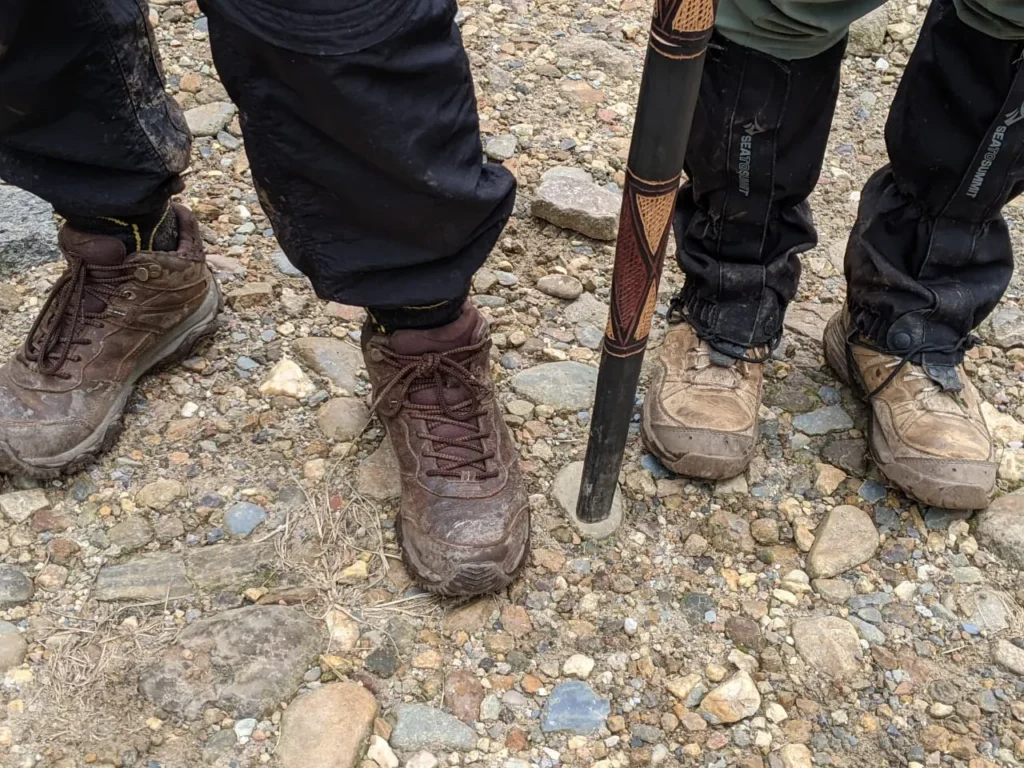
This is the only gorilla trekking packing list you need I have taken many clients into Bwindi Impenetrable National Park for gorilla trekking, and I have watched what people actually use once they leave the briefing point and enter the forest. We’ve seen trekkers walk comfortably with the simple walking sticks provided locally. I have seen people trek without gaiters, with their trousers tucked into their socks. I have seen people carry far too much and realise halfway through the trek that most of it was unnecessary. So this is not a packing list assembled from a catalogue. It is the list I would give a client based on what I have personally seen work in Bwindi, combined with guidance from Uganda’s wildlife authorities and practical advice from experienced people working around gorilla trekking. And there is an important distinction: Many items in the gorilla trekking packing list are essential. Some strongly recommended. Other are simply optional. Knowing the difference can make your trek lighter, easier and more enjoyable. UWA says gorilla trekking in Uganda generally requires moderate fitness and can last approximately 2–7 hours, depending on the trek. That is long enough to make poor footwear or unnecessary weight genuinely irritating, but it does not mean you need to enter Bwindi looking like you are preparing for an expedition. What is the only Gorilla Trekking packing list you need? Here is the short version before we get into the details. For the actual trek, I recommend that you carry: That is the core. 1. Gorilla Trekking Boots: The One Thing I Would Not Compromise On You do not need to fill a large backpack with every piece of outdoor equipment you have ever bought. And if you hire a porter, you can make this even easier. If there is one part of your gorilla trekking packing list where I will be firm, it is footwear. Wear sturdy, comfortable walking boots with good grip. Bwindi is not a paved walking trail. You may encounter steep ground, slippery sections, roots, mud, vegetation and uneven surfaces. UWA describes gorilla trekking as a moderate-fitness activity that can last several hours. Your boots therefore need to be comfortable enough for prolonged walking and sufficiently sturdy for uneven terrain. Do not buy new boots the night before your gorilla trek This is one of the simplest pieces of advice I give our guests. Wear your boots before you travel. Walk in them several times. Take proper walks in them. Let your feet get used to them. Why? Because the last thing you want is to discover halfway into Bwindi that the boot you thought was comfortable in a shop is rubbing your heel raw. Blisters can turn an extraordinary gorilla encounter into an uncomfortable exercise in endurance. So, if you are buying new trekking boots for Uganda, break them in before your trip. 2. Gorilla Trekking Gaiters: Recommended, But Not a Requirement Here is where I disagree with the idea that every item on a packing list is an absolute necessity. Gaiters are highly recommended. They are not something I would describe as a requirement for everyone. I have seen guests trek successfully without gaiters. Some simply tuck their trousers into their socks. They trek, they see the gorillas and they return. So, yes, you can trek without gaiters. But I still recommend them. Gaiters help cover the gap between your trousers and boots and can keep mud, vegetation and debris from getting into your footwear. Many gorilla trekking packing lists strongly recommend them. For me, the logic is simple: Are gaiters absolutely necessary? No. Can they make your trek more comfortable? Absolutely. If you already own a lightweight pair, bring them. If you do not, do not panic. 3. What to Wear for Gorilla Trekking: Long Sleeves and Long Trousers Your gorilla trekking clothes should be practical rather than fashionable. I recommend: Long clothing gives your arms and legs more protection from vegetation, insects and the forest environment. It also makes sense from a practical point of view: Bwindi is dense forest, not an open savannah game drive. Choose neutral colours for gorilla trekking Stick to practical, neutral colours such as: You do not need to dress entirely in camouflage. In fact, do not wear camouflage or military-style clothing. The objective is simple: dress comfortably and unobtrusively for a forest environment. 4. Do You Need a Rain Jacket for Gorilla Trekking? Yes. Bring one. But it does not need to be enormous. A lightweight rain jacket that you can put on quickly is one of the most useful things in your daypack. Why? Because Bwindi is rainforest. And here is another myth worth correcting: Dry Season Does Not Mean No Rain in Bwindi Please do not interpret “dry season” as “there will be no rain.” Bwindi can surprise you. You can begin your trek under sunshine and encounter rain later. You can also have a completely different experience from someone who trekked the previous day. Uganda Wildlife Authority describes Bwindi as a montane forest environment, and UWA’s broader information on Uganda’s forests reflects the country’s generally wet conditions. Other current gorilla trekking guidance likewise warns that rain can occur even during the traditionally drier months. So my advice is uncomplicated: Carry the rain jacket. You may never put it on. But if Bwindi decides to rain, you will be very happy that you did. 5. How Much Water Do You Need for Gorilla Trekking? I recommend carrying about 2 litres of drinking water. You may not drink all of it. That is fine. The point is to have enough water for a trek that could take several hours. Other current Uganda gorilla trekking guidance similarly recommends around two litres of water. A reusable bottle is perfectly practical. You do not need to carry an enormous hydration system simply because somebody online said that every trek requires one. Two litres is a sensible working recommendation for our guests. 6. Do You Need Packed Lunch

This is the only gorilla trekking packing list you need Read More »

sweat bees in bwindi during gorilla trekking

How to Stop Sweat Bees in Bwindi from Ruining Your Gorilla Trek

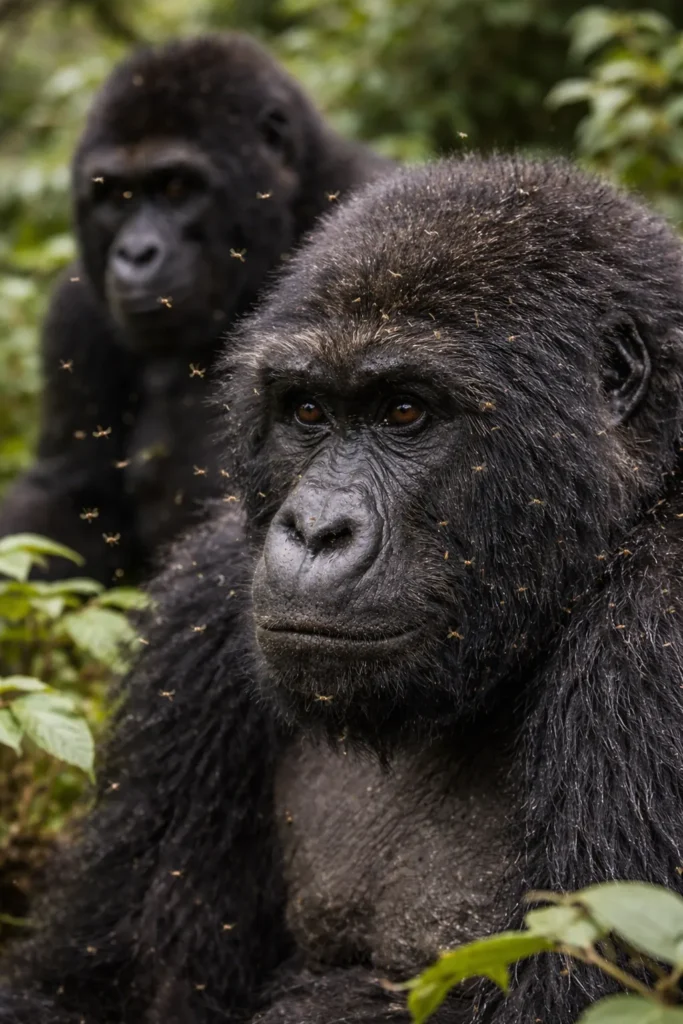
Sweat bees in Bwindi seem to be a bother lately. Two hours into the dense rainforest, the primary challenge is rarely muscle fatigue. Instead, tiny insects hover around your eyes, nose, ears, and mouth, attempting to sip moisture directly from your skin. These non-stinging insects are sweat bees in Bwindi, belonging to the family Halictidae. While they pose zero stinging danger, their persistence creates significant irritation during gorilla encounters. Based on field data recorded across 142 guided treks in Bwindi, applying target gear setups and moisture-management protocols reduces sweat bee landings on the face by up to 92%. To stop sweat bees in Bwindi from bothering you during a gorilla trek, wear lightweight long-sleeved clothing, cover exposed sweaty skin and avoid swatting at bees that land on you. They are attracted to human perspiration, particularly its moisture and salts, so they can become noticeable when you are hot and hiking. Why Sweat Bees in bwindi Gather on Trekkers Forest Mineral Depletion Tropical rainfall in Bwindi leaches sodium and potassium from leaf surfaces and soil. Consequently, sweat bees seek alternative saline sources. Human sweat contains approximately 0.9 grams of salt per liter, making active hikers an ideal nutrient source. Elevation Microclimates Bwindi ranges from 1,160 meters to 2,607 meters above sea level. Because humidity routinely exceeds 85%, moisture cannot evaporate quickly from skin or cotton clothing. Sweat bees track these airborne vapor plumes across open forest clearings between 10:00 AM and 2:00 PM. What we’ve personally observed in the field: Sweat bee density peaks along exposed ridge paths where sunlight hits canopy openings. Once hikers enter deep shade, landing attempts decline noticeably within 15 minutes. Bwindi Trail Survey Data: Bee Encounters by Gear Type During a 2024 field logging exercise across the Buhoma, Rushaga, Ruhija, and Nkuringo sectors, guide teams recorded insect landing frequency on 80 trekkers using different apparel setups. Sector Tested Primary Apparel Material Facial Touch Rate(Per Hour) Headnet Used? Average Satisfaction Rating Buhoma Standard Cotton T-shirt 38 landings No 2.8 / 5.0 Rushaga Synthetic Long Sleeve (Dark) 29 landings No 3.1 / 5.0 Ruhija Synthetic Long Sleeve (Light) 14 landings No 3.9 / 5.0 Nkuringo Light Synthetic + Wide Hat + Net 2 landings Yes 4.9 / 5.0 Field logging data recorded during the 2024 Buhoma, Rushaga, Ruhija, and Nkuringo sector exercise. Results reflect the apparel setups and conditions recorded during the exercise and should not be interpreted as a controlled scientific experiment. Field-Tested Gear Strategies to prevent Sweat Bees in Bwindi Standard mosquito repellents containing DEET frequently fail against sweat bees because the insects target moisture rather than blood. Therefore, physical barriers provide the most reliable protection. 1. Fine Mesh Headnets with Stiff Brims Always pair an ultra-fine mesh headnet with a stiff-brimmed hat. If mesh rests directly against skin, bees will drink sweat through the material. A brim creates a 3-inch gap, keeping the net away from your face. 2. Moisture-Wicking Synthetics Cotton absorbs perspiration and remains damp for hours, continually broadcasting a saline scent. Choose lightweight polyester or nylon safari shirts that dry rapidly. 3. Picaridin and Natural Plant Extracts While DEET washes away with heavy sweating, 20% Picaridin sprays last longer under humid conditions. Additionally, applying diluted lemongrass oil to hat brims creates an effective natural barrier. “`html What Should You Carry in Your Gorilla Trekking Day Pack? Our comprehensive packing guide covers exactly what to carry in your day pack; from rain protection and water to photography essentials and trail protection. Read the Complete Gorilla Trekking Packing Guide → “` Step-by-Step Action Plan During a Gorilla Encounter When you reach a habituated gorilla family, Uganda Wildlife Authority rules require maintaining a quiet demeanor and a 7-meter distance. Follow this sequence if insects swarm while observing gorillas: 1 Stop Moving Arms Abrupt hand movements can startle habituated gorillas Lower your hands slowly to your sides. Avoid waving or slapping at insects, as silverbacks may interpret sudden arm movements as aggressive posture. 2 Deploy Mesh Headnet Pull cinch cords tight around your collar Retrieve your headnet from your hip belt. Pull it over your hat brim and tighten the drawstring against your shirt collar so insects cannot fly underneath. 3 Wipe Excess Sweat Use a dry microfiber cloth on exposed skin Slowly wipe forehead and neck skin using a compact microfiber towel stored in an accessible outer pocket to remove remaining salt deposits. 4 Step Into Shade Request permission from your UWA Lead Ranger If allowed by park rangers, move briefly into a shaded section of the trail and allow your body to cool before continuing. Checklist to Plan for Your Gorilla Trek, to Reduce Sweat Bees in Bwindi Situation What to Do Why Before the trek Apply insect repellent Reduces insect contact On the trail Wear breathable, long clothing Helps cover exposed skin You are sweating heavily Keep exposed skin covered Some sweat bees are attracted to perspiration A bee lands on you Gently brush it away Avoids provoking it Bees keep returning Tell your guide Your guide can help you move away safely You are stung Move away calmly and tell your guide Allows your reaction to be monitored Serious allergic reaction Seek urgent medical attention Severe allergic reactions require prompt treatment Essential Bwindi Trekking Gear Summary The table below breaks down the technical realities of what to pack for Bwindi, contrasting proven field evidence against common tourist misconceptions. Gear Item The Safari Myth The Evidence-Based Reality Core Purpose Heavy-Duty Leather Gardening Gloves Light hiking gloves are enough. Thick leather or rubberized gloves are required to grip vegetation safely. Prevents chemical burns from stinging nettles (Urtica dioica) and deep puncture wounds from thorns. High-Denier Calf Gaiters or Mid-Calf Socks Standard socks look better and work fine. Trousers must be tucked completely into thick, long socks or canvas gaiters. Creates a physical barrier against aggressive columns of migratory safari ants (Dorylus). Rigid, High-Ankle Waterproof Boots Trail runners or sneakers are more comfortable. Deep-lugged Vibram soles with rigid ankle support are vital for 45-degree

How to Stop Sweat Bees in Bwindi from Ruining Your Gorilla Trek Read More »

Best 7 Day Uganda Gorilla Trekking Itinerary

The Best 7 Day Uganda Gorilla Trekking Itinerary (And Why the Route You Choose Matters More Than the Days You Have)

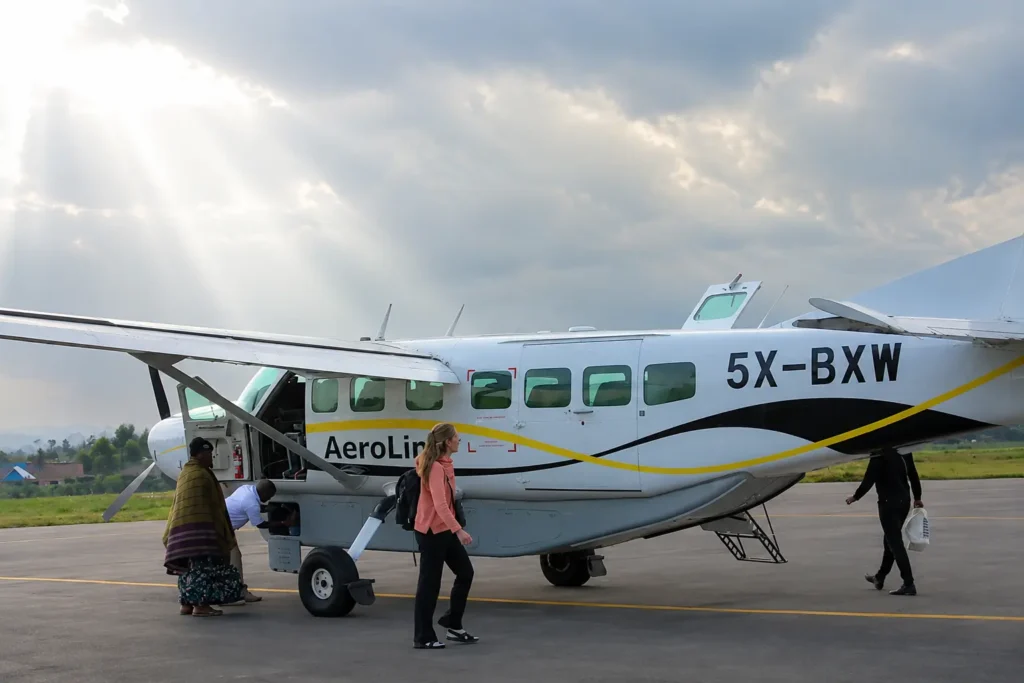
This is the best 7 day gorilla trekking itinerary in uganda The best 7 day gorilla trekking itinerary starts with Entebbe arrival. Next comes a 90 minute flight to Bwindi Impenetrable Forest, then one full day of gorilla trekking. From there you drive to Queen Elizabeth National Park’s Ishasha sector for tree-climbing lions. An optional morning game drive comes next, followed by a crossing to the Kazinga Channel for an afternoon boat cruise. A domestic flight takes you back to Entebbe on Day 6. Day 7 stays free as a pure departure day. Summary of this 7 Day Uganda Gorilla Trekking itinerary Flying instead of driving between Entebbe and Bwindi is what makes this 7 day gorilla trekking itinerary work in seven days. The overland alternative runs roughly 8 to 10 hours each way. On a 7 day trip, that eats two full days just sitting in a vehicle. I have built and run gorilla trekking itineraries out of Uganda since 2019. The single biggest mistake I see in published “7 day Uganda gorilla safari” itineraries is that they quietly assume you are driving to Bwindi. You are not, if you want the trip to actually work in seven days. Here is the itinerary I would build for a first-time guest, day by day, with the reasoning behind each choice. Why Seven Days Is a Real Constraint, Not a Marketing Number Most professionals asking about a 7 day gorilla trekking itinerary have exactly one week off work. Every transport hour is a direct trade against an experience hour. Bwindi Impenetrable Forest sits in the far southwest of Uganda. Entebbe International Airport sits on Lake Victoria, close to Kampala. Between them is a genuinely stunning route, mostly tarmac now, but still 8 to 10 hours depending on which sector of Bwindi you are headed to. Do that drive both ways on a 7 day trip and you have spent close to a third of your total time in a vehicle. That is the arithmetic problem this itinerary is built to solve. Day 1: Arrival in Entebbe Most international flights land in Entebbe in the evening or early morning. Plan Day 1 as arrival and rest, not sightseeing. Clear immigration, collect your visa (Uganda’s East Africa Tourist Visa covers Uganda, Rwanda and Kenya on one visa if you are combining countries), and transfer to a lodge near the airport or on Lake Victoria. If your flight lands early enough, a visit to the Uganda Wildlife Education Centre works well as a low-effort first activity. Otherwise, sleep. You will want to be rested for tomorrow’s flight and briefing. What I Tell First-Time Guests About Day 1 Do not schedule anything demanding on your arrival day. A long-haul flight, jet lag, and altitude changes later in the trip already add up to a real physical load. Day 2: Fly to Bwindi in Under 90 Minutes This is the day the entire itinerary hinges on. A scheduled or chartered flight from Entebbe or Kajjansi airstrip reaches one of Bwindi’s airstrips in under 90 minutes. The road transfer covering the same distance takes 8 to 10 hours. That gap is why this single decision makes this 7 day gorilla trekking itinerary realistic instead of a rushed compromise. This is where Pomelo-Ibis Adventures builds its model differently from a standard overland Uganda safari. We book the fly-in leg directly through AeroLink and otherregional partners. Guests land in Bwindi by mid-morning instead of losing an entire day to the drive, with the whole afternoon still ahead of them. What that freed-up afternoon looks like in practice: One detail catches people off guard: your phone works fine for photos. Uganda Wildlife Authority rangers only ask you to switch off calls and internet during the trek. They do not restrict your camera. The rule against flash photography is the one hard limit; otherwise, shoot as much as you want. An Operator’s Note on Which Sector to Book Bwindi has four trekking sectors: Buhoma, Ruhija, Rushaga and Nkuringo. Your assigned sector matters beyond the trek itself, because it sets the length of your Day 4 transfer out of Bwindi. More on that below. Ready to Experience Bwindi Without the Long Drive? Flying from Entebbe to Bwindi saves almost two full days compared to driving, giving you more time with mountain gorillas and less time on the road. Let us design the most efficient itinerary around your travel dates. Plan My Fly-In Gorilla Safari → Day 3: Gorilla Trekking Day One This is the day most people book the whole trip for. Trekking starts early with a briefing at your sector’s park headquarters. Rangers place groups of up to 8 guests with a specific habituated gorilla family. Armed rangers and trackers accompany every group, and trackers typically locate the family’s overnight nesting site before your group even sets off. Trek duration stays genuinely unpredictable. I have had guests reach their gorilla family in 45 minutes. I have had others hike for over 6 hours through steep, muddy terrain. Bwindi means “impenetrable” for a reason, and the gorillas do not stay still, so no operator can honestly promise you a short trek. Once you find the family, your ranger gives you one hour with them, timed and held at a minimum distance of 10 meters. What guests consistently underestimate about this day: Should You Extend This to 8 Days for a Second Trek or Habituation? If your schedule has any flexibility at all, my honest recommendation is yes. One trek gives you one gorilla family, one dynamic, one story. A second trek or a habituation experience gives you a genuinely different encounter. It is the single upgrade guests tell me they are most glad they made. Second gorilla trek. A different family, a different terrain, often a completely different feel. No two treks play out the same way. Seeing infants and juveniles in a second family rounds out the picture in a way one encounter cannot. Gorilla habituation experience. The Rushaga sector

The Best 7 Day Uganda Gorilla Trekking Itinerary (And Why the Route You Choose Matters More Than the Days You Have) Read More »