
How to Schedule a Gorilla Habituation Tour in Uganda in 2027
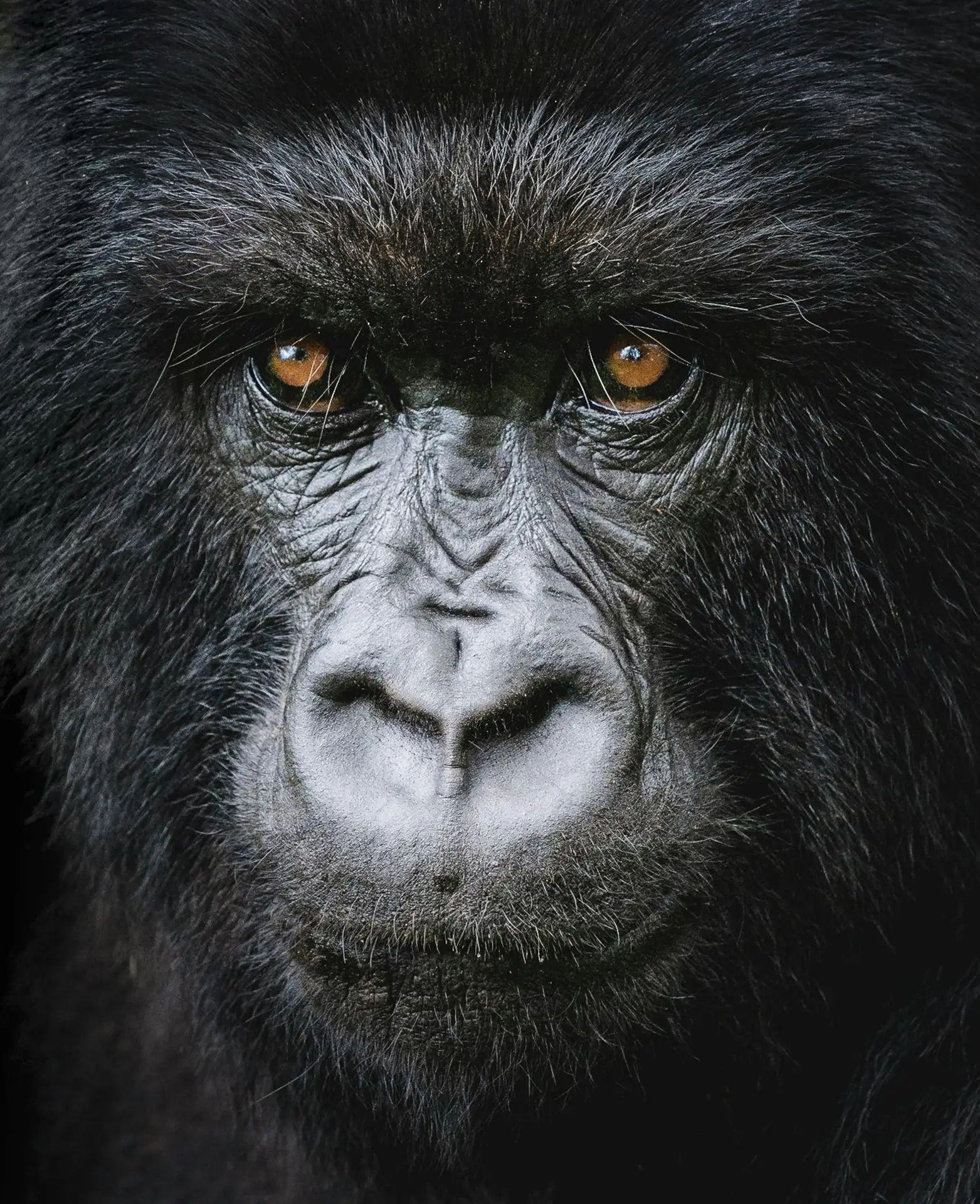
There is a specific kind of silence that only exists at 7,000 feet in the southern sector of Bwindi Impenetrable National Park. It is a heavy, humid quiet, broken only by the rhythmic thwack of a ranger’s machete and the distant, chest-thumping echo of a Silverback claiming his ridge.
If you are reading this, you likely already know that the Gorilla Habituation Experience (GHE) offers four hours with these primates instead of the standard one. You likely know that as of January 1, 2027, the Uganda Wildlife Authority (UWA) has set the permit at $1,800, which MUST BE PAID IN FULL upon booking. Check out the new UWA tariff here.
What Is Gorilla Habituation?
The truth is that habituation is not trekking. It is a psychological bridge between two species (you and the gorillas). It is the slow, methodical process of proving to a wild animal that humans are neither predators nor prey, but merely a neutral part of the forest tapestry.
Unlike standard gorilla trekking, where the gorillas are already accustomed to people, habituation involves families that are still adapting to human presence.
Because of this process, visitors can spend up to four hours observing the gorillas, while researchers continue their daily monitoring work.
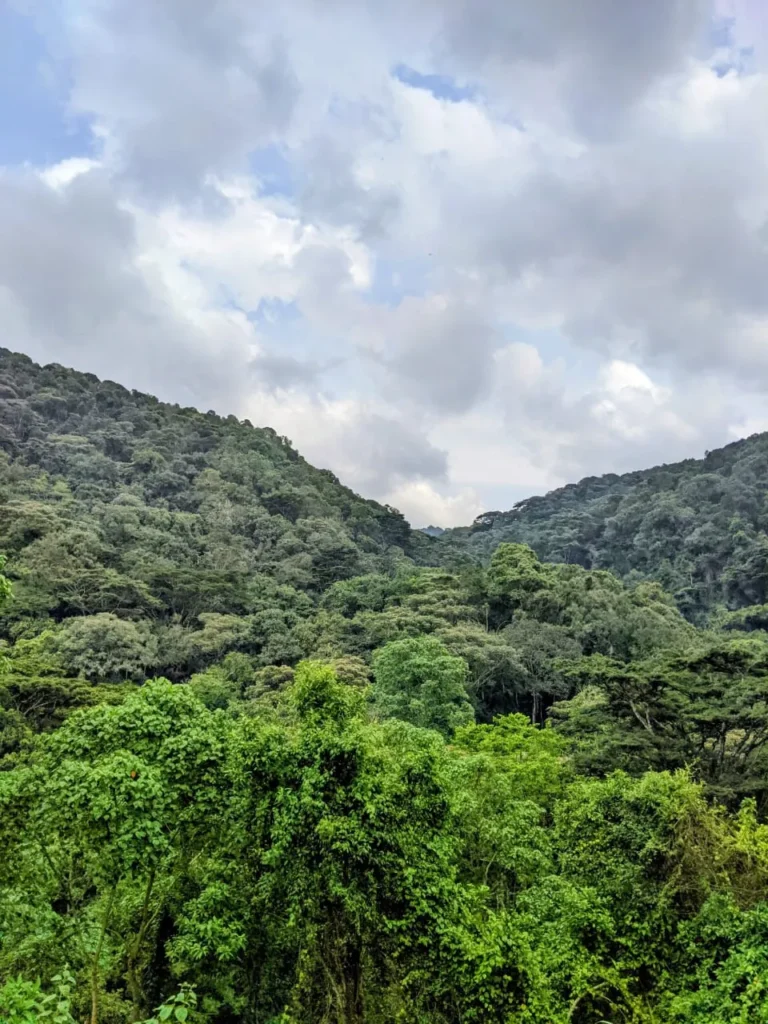
This experience takes place exclusively in the southern sectors of Bwindi Impenetrable National Park.
Before I Tell You How To Schedule a Gorilla Habituation Tour in Uganda in 2027, Know These 3 Things First:
1. The $1,800 Question: Why the 2027 Shift?
Let’s address the silverback in the room. The jump to $1,800 for a Foreign Non-Resident permit isn’t an arbitrary luxury tax.
By 2027, the cost of Continuous Monitoring has scaled. Habituation requires a 365-day presence. If the researchers leave for even a week, the progress regresses. That $1,800 funds the salaries of the trackers who live in the forest, the 20% revenue share that goes directly to the Bakiga and Batwa communities surrounding Rushaga, and the intensive veterinary monitoring required to ensure human pathogens don’t wipe out a family.
2. In The Four Hours, What Actually Happens?
In a standard 60-minute trek, you encounter a finished product. The gorillas are calm, often ignoring you as they groom.
In the Habituation Experience, you are entering the classroom. You are usually following the Bikingi or Bushaho groups in the Rushaga and Nkuringo sectors.
Here is the anatomical breakdown of your four hours:
Hour 1: Tracking the Previous Nest Site
Your experience begins at the previous night’s nests. While standard tourists are still at the briefing point, you are with the trackers at 7:30 AM analyzing dung and discarded bamboo shoots.
- You learn to read the forest newspaper..lol.. Is the dung warm? Was the silverback stressed? Did they move toward the community land or deeper into the park?
Hour 2: The Approach & Vocalization
Once the group is located, the work begins. You do not just walk up and take photos. You stay at a distance (initially 20–30 meters) while the lead researcher uses vocalizations; low, guttural throat clears, to announce our presence.
- You will see the younger blackbacks watching you with intense curiosity. They are learning you too. You are part of their education as much as they are part of yours.
Hour 3: The Observation of Social Behaviors
As the group settles, you move into the neutral zone. This is where you witness the raw social hierarchy. You’ll watch the Silverback exert his dominance, not through violence, but through a look or a subtle shift in posture.
- The 2027 Perspective: With the recent shifts in Bwindi’s climate patterns, we are seeing different foraging behaviors. You might observe them higher up the ridges than in previous years, seeking out specific shoots that only thrive in the mist-heavy canopy.
Hour 4: Quiet Observation And Departure
The final hour is often the most profound. By now, the tourist adrenaline has faded, and you are simply existing in their space. This is when the profound realization hits: we are 98% DNA matches, and in this forest, they are the masters of the environment.
3. How Difficult Is Gorilla Habituation? Well, It is Not a Walk in the Park
I want you to be prepared. Don’t be lied to.
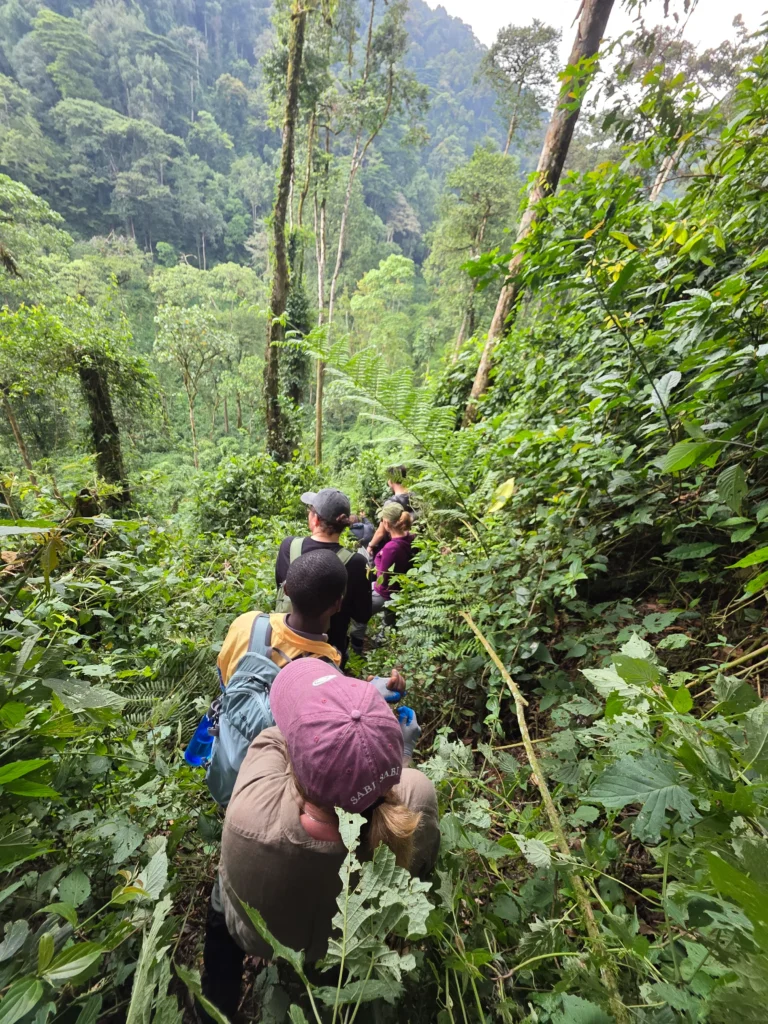
Bwindi is called “Impenetrable” for a reason. There are no manicured trails for habituation. You are following the gorillas through Wait- a bit thorns and over rotted logs.
- You will be at elevations between 2,000m and 2,500m. The air is thin.
- In the Rushaga sector, a 45-degree incline is considered flat. You will use your hands as much as your feet.
- The 2026/2027 Weather Factor: We’ve seen increased rainfall in the dry seasons of June and July. The mud is a permanent resident.
Expert Tip: Don’t just bring “hiking boots.” Bring Gaiters. The biting ants of Bwindi are efficient, and once they get inside your trousers, your $1,800 experience becomes a lesson in endurance.
Essential Packing Tips
For a successful habituation experience, pack carefully.
Recommended gear includes:
Waterproof hiking boots
Long-sleeved shirts and trousers
Rain jacket
Garden gloves for gripping vegetation
Gaiters to prevent insects entering boots
A small backpack with water and snacks
Proper gear can make the difference between an enjoyable trek and a difficult one. Don’t just bring hiking boots. Bring Gaiters. The biting ants of Bwindi are efficient, and once they get inside your trousers, your $1,800 experience becomes a lesson in endurance.
And oh, the elderly and senior travelers can also do Gorilla Habituation. For those with mobility related issues, please reach out to us, so that we can advise accordingly. You can also read our full guide for gorilla trekking for the elderly, seniors, immobile and disabled travelers here.
Now, this is How to Schedule a Gorilla Habituation Tour in Uganda in 2027
Because there are only 8 permits per day for the entire country, the competition is fierce.
- For 2027 dates, you should be inquiring 12 to 14 months out
- Fly for 1.5hrs from Entebbe to Kisoro and save yourself the 10-hour drive from Entebbe. Or, fly into Kigali, Rwanda, and cross the Cyanika border. It’s a 4-hour drive to the heart of the habituation zone
- Stay in Rushaga. You do not want a 2-hour drive at 6:00 AM before starting the most physically demanding day of your life.
You may also want to combine gorilla habituation with other Uganda safari highlights such as:
- chimpanzee tracking
- wildlife safaris
- community cultural experiences
Now, Lets Schedule That Tour
The 2027 permit cycle is already seeing unprecedented demand. If you need a candid assessment of whether your fitness level matches this Experience, let’s have a conversation.
If you would like help checking availability for 2027 permits or planning a complete Bwindi itinerary, feel free to contact our team.
We are always happy to guide travelers into the forests where the mountain gorillas live, and witness one of the most successful conservation stories in human history.