admin

How to Schedule a Gorilla Habituation Tour in Uganda (2027 Edition)

How to Schedule a Gorilla Habituation Tour in Uganda in 2027

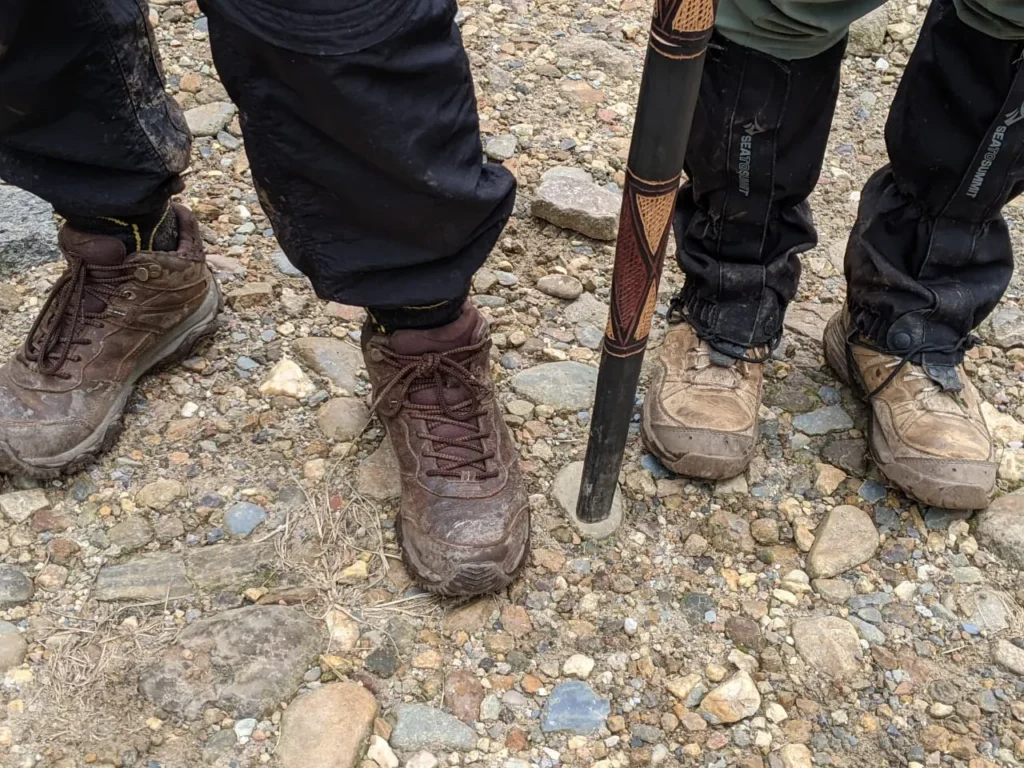
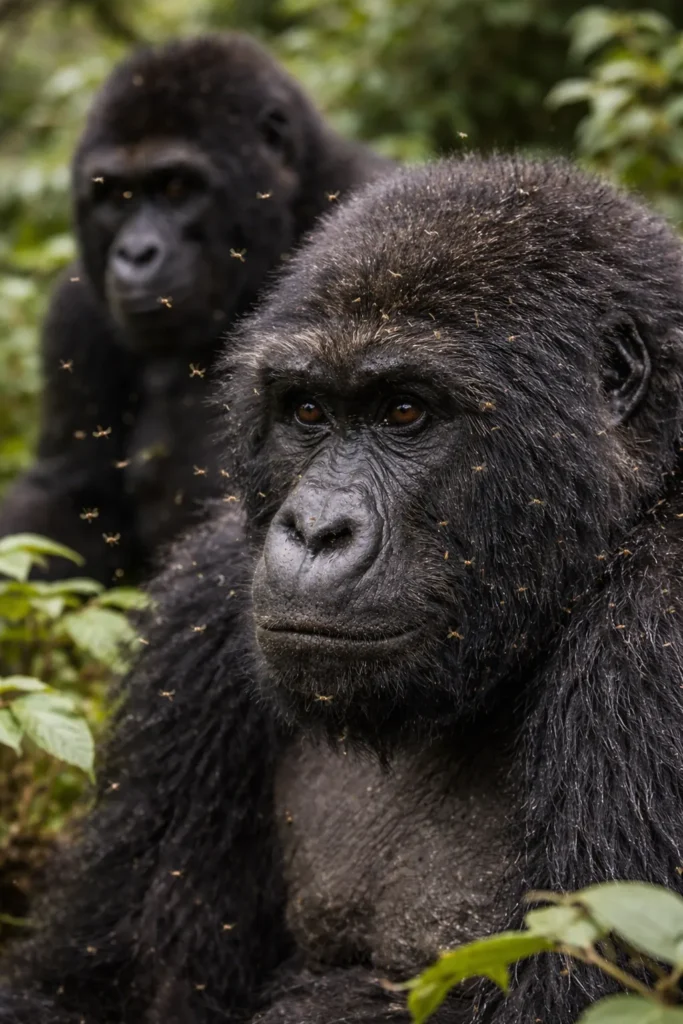
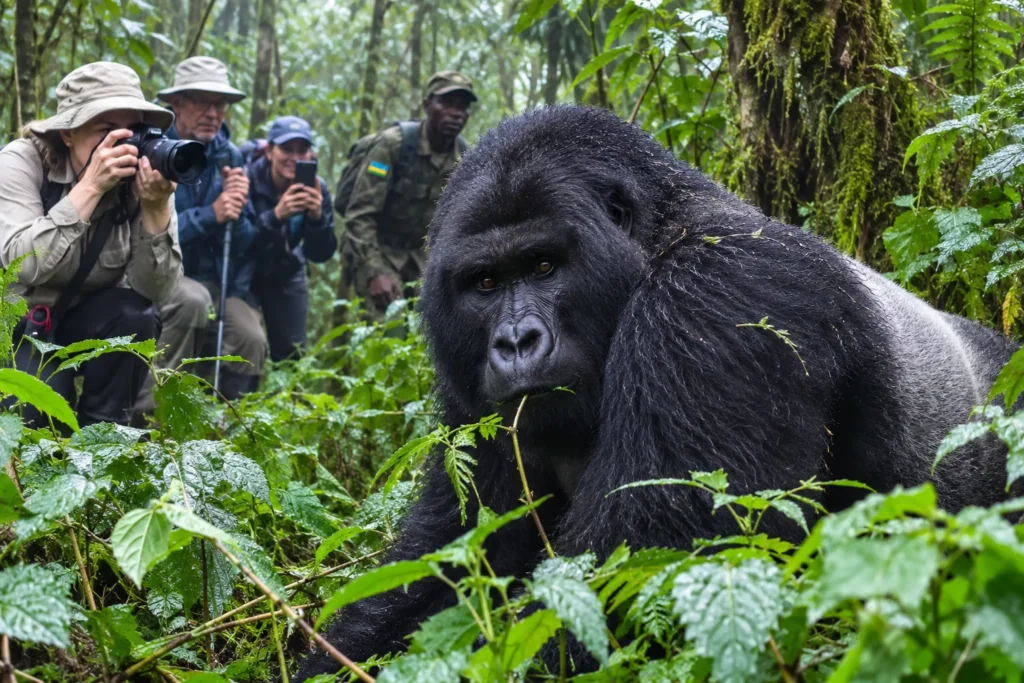
How to Schedule a Gorilla Habituation Tour in Uganda in 2027 There is a specific kind of silence that only exists at 7,000 feet in the southern sector of Bwindi Impenetrable National Park. It is a heavy, humid quiet, broken only by the rhythmic thwack of a ranger’s machete and the distant, chest-thumping echo of a Silverback claiming his ridge. If you are reading this, you likely already know that the Gorilla Habituation Experience (GHE) offers four hours with these primates instead of the standard one. You likely know that as of January 1, 2027, the Uganda Wildlife Authority (UWA) has set the permit at $1,800, which MUST BE PAID IN FULL upon booking. Check out the new UWA tariff here. What Is Gorilla Habituation? The truth is that habituation is not trekking. It is a psychological bridge between two species (you and the gorillas). It is the slow, methodical process of proving to a wild animal that humans are neither predators nor prey, but merely a neutral part of the forest tapestry. Unlike standard gorilla trekking, where the gorillas are already accustomed to people, habituation involves families that are still adapting to human presence. Because of this process, visitors can spend up to four hours observing the gorillas, while researchers continue their daily monitoring work. This experience takes place exclusively in the southern sectors of Bwindi Impenetrable National Park. Before I Tell You How To Schedule a Gorilla Habituation Tour in Uganda in 2027, Know These 3 Things First: 1. The $1,800 Question: Why the 2027 Shift? Let’s address the silverback in the room. The jump to $1,800 for a Foreign Non-Resident permit isn’t an arbitrary luxury tax. By 2027, the cost of Continuous Monitoring has scaled. Habituation requires a 365-day presence. If the researchers leave for even a week, the progress regresses. That $1,800 funds the salaries of the trackers who live in the forest, the 20% revenue share that goes directly to the Bakiga and Batwa communities surrounding Rushaga, and the intensive veterinary monitoring required to ensure human pathogens don’t wipe out a family. 2. In The Four Hours, What Actually Happens? In a standard 60-minute trek, you encounter a finished product. The gorillas are calm, often ignoring you as they groom. In the Habituation Experience, you are entering the classroom. You are usually following the Bikingi or Bushaho groups in the Rushaga and Nkuringo sectors. Here is the anatomical breakdown of your four hours: Hour 1: Tracking the Previous Nest Site Your experience begins at the previous night’s nests. While standard tourists are still at the briefing point, you are with the trackers at 7:30 AM analyzing dung and discarded bamboo shoots. You learn to read the forest newspaper..lol.. Is the dung warm? Was the silverback stressed? Did they move toward the community land or deeper into the park? Hour 2: The Approach & Vocalization Once the group is located, the work begins. You do not just walk up and take photos. You stay at a distance (initially 20–30 meters) while the lead researcher uses vocalizations; low, guttural throat clears, to announce our presence. You will see the younger blackbacks watching you with intense curiosity. They are learning you too. You are part of their education as much as they are part of yours. Hour 3: The Observation of Social Behaviors As the group settles, you move into the neutral zone. This is where you witness the raw social hierarchy. You’ll watch the Silverback exert his dominance, not through violence, but through a look or a subtle shift in posture. The 2027 Perspective: With the recent shifts in Bwindi’s climate patterns, we are seeing different foraging behaviors. You might observe them higher up the ridges than in previous years, seeking out specific shoots that only thrive in the mist-heavy canopy. Hour 4: Quiet Observation And Departure The final hour is often the most profound. By now, the tourist adrenaline has faded, and you are simply existing in their space. This is when the profound realization hits: we are 98% DNA matches, and in this forest, they are the masters of the environment. 3. How Difficult Is Gorilla Habituation? Well, It is Not a Walk in the Park I want you to be prepared. Don’t be lied to.  Bwindi is called “Impenetrable” for a reason. There are no manicured trails for habituation. You are following the gorillas through Wait- a bit thorns and over rotted logs. You will be at elevations between 2,000m and 2,500m. The air is thin. In the Rushaga sector, a 45-degree incline is considered flat. You will use your hands as much as your feet. The 2026/2027 Weather Factor: We’ve seen increased rainfall in the dry seasons of June and July. The mud is a permanent resident. Expert Tip: Don’t just bring “hiking boots.” Bring Gaiters. The biting ants of Bwindi are efficient, and once they get inside your trousers, your $1,800 experience becomes a lesson in endurance. Essential Packing Tips For a successful habituation experience, pack carefully. Recommended gear includes: Waterproof hiking boots Long-sleeved shirts and trousers Rain jacket Garden gloves for gripping vegetation Gaiters to prevent insects entering boots A small backpack with water and snacks Proper gear can make the difference between an enjoyable trek and a difficult one. Don’t just bring hiking boots. Bring Gaiters. The biting ants of Bwindi are efficient, and once they get inside your trousers, your $1,800 experience becomes a lesson in endurance. And oh, the elderly and senior travelers can also do Gorilla Habituation. For those with mobility related issues, please reach out to us, so that we can advise accordingly. You can also read our full guide for gorilla trekking for the elderly, seniors, immobile and disabled travelers here.  Now, this is How to Schedule a Gorilla Habituation Tour in Uganda in 2027 Because there are only 8 permits per day for the entire country, the competition is fierce. For 2027 dates, you should be inquiring 12 to 14 months out Fly

How to Schedule a Gorilla Habituation Tour in Uganda in 2027 Read More »

Best Time for Kenya Safari Without Big Crowds and Insane Prices

Best Time for Kenya Safari Without Big Crowds and Insane Prices

Best Time for Kenya Safari Without Big Crowds and Insane Prices Best Time for Kenya Safari Without Big Crowds and Insane Prices You’ve spent months staring at your screen. You have twenty tabs open, three conflicting quotes in your inbox, and a growing sense of frustration. It’s the classic safari trap: Pay the premium and fight the crowds, or save your money and risk missing the magic. Most travel sites tell you that if you aren’t at the Mara River in August, you’ve missed the point of Kenya. Then they hit you with the price tag; a “Peak Season” rate that’s nearly double what you’d pay in March. But what if there was a third option? What if you could see the Big Five, witness the raw power of a lion hunt, and wake up to the silence of the savannah, all without the 40-vehicle traffic jams or the insane price hikes? At Pomelo-ibis Adventures, we don’t just book trips. We curate Edenic encounters. As your boots-on-the-ground consultants, we’re pulling back the curtain on the best time for Kenya safari without big crowds and insane prices. Reach us Why the Peak Season is Often a Marketing Illusion & Not Always the Best Time for Kenya Safari Without Big Crowds and Insane Prices The global travel industry has a massive stake in convincing you that July through September is the only “real” window for a Kenya safari. It’s an easy sell. The Great Migration; the movement of 1.5 million wildebeests is a high-drama narrative that looks great on a brochure and very marketable. But here is the reality check: The “Migration Tax” is real: As of 2026, Maasai Mara National Reserve fees jump to $200 per person, per day during the peak months. The Traffic Jam: During a “river crossing,” it is common to see dozens of vehicles jostling for a view. It feels less like a wilderness and more like a parking lot. The Price Hikes: Mid-range lodges that cost $300 a night in February can soar to $600+ in August. Your $3,500-$4,500 budget, which buys luxury in the shoulder season, is suddenly stretched thin. If you value reverence, space, and your hard-earned money, the peak season might actually be your worst enemy. The Secret Season: January to March (The “Calving” Window) – The Best Time for Kenya Safari Without Big Crowds and Insane Prices If you are looking for the best time for Kenya safari without big crowds and insane prices, look no further than the first quarter of the year. While the world waits for August, the smart travelers are on the plains in February. Here is why: 1. The Predator Action is Unmatched This is calving season. Thousands of wildebeest and zebra foals are born daily. For a lion pride or a cheetah mother, this is a buffet. If you want to see the raw, high-stakes drama of a hunt, this is your window. 2. Short Grass, High Visibility The short rains of November have passed. The plains are a beautiful emerald green, but the grass is short. In the peak of August, a leopard can hide in the tall grass five feet from your truck. In February? They have nowhere to hide. 3. The Price Point This is the Value Sweet Spot. For a $3,500 -$4,500 budget, Pomelo-ibis can secure boutique, intimate camps that would cost $7,000 in the summer. You get more safari for every dollar spent. Embracing the Rain If a bit of rain doesn’t bother you, then that is the secret weapon of the sophisticated traveler. The Long Rains (April-May) and Short Rains (November) offer the best time for Kenya safari without big crowds and insane prices for those who prioritize exclusivity. Zero Crowds: You will often be the only vehicle at a sighting. Just you and the lions. Photographer’s Dream: The rain washes the dust from the air. The lighting is soft and dramatic. The colors pop in a way they never do in the dusty dry season. Deep Discounts: Lodges offer their lowest rates of the year. Your budget could potentially cover a 10-day trip instead of seven. The Pomelo-ibis Value-King Itinerary How do we turn a $3,500 -$4,500 budget into a world-class experience? We don’t follow the crowd. We engineer the route. The biggest mistake travelers make is staying only inside the National Reserve. To find the best time for Kenya safari without insane crowds and insane prices, we move you into Private Conservancies like Mara North or Naboisho. Strict Vehicle Limits: Only guests staying in the conservancy are allowed to drive there. You will never see 40 cars at a lion. Usually, it’s just two or three. Off-Roading: We can leave the track to get you closer to the action. Night Drives: We can explore the bush after dark, something forbidden in the National Reserve. A Sample 7-Day Edenic Route Days 1-2: Amboseli National Park. Witness the world’s most famous elephant herds with Mt. Kilimanjaro as your backdrop. Day 3: Lake Naivasha. A boat safari and a walking tour on Crescent Island. No cars. No engines. Just you and the giraffes. Days 4-7: Maasai Mara Private Conservancy. This is where we focus on the Big Five. By staying in a conservancy, you get the private version of the Mara for a mid-range price. Is the Peak Season Worth the Double Price? You asked if the peak-season premium is driven by reality or marketing. The answer is Marketing. While the Great Migration is breathtaking (and mind you, it’s a whole year thing), it is not the only event. The Mara River Crossing creates the hype.  The resident wildlife (the lions, leopards, rhinos, and elephants) are there 365 days a year. They don’t have passports. They don’t leave for Tanzania. In many ways, seeing the resident wildlife in the off-peak is a superior experience. The animals are less stressed by vehicle noise. The guides are more relaxed. The lodges are more attentive. If you pay double, you aren’t paying for more

Best Time for Kenya Safari Without Big Crowds and Insane Prices Read More »

Gorilla Trekking for the Elderly, Seniors, Immobile and Disabled

Gorilla Trekking for the Elderly, Seniors, Immobile and Disabled

Gorilla Trekking for the Elderly, Seniors, Immobile and Disabled Travelers to Uganda is not extreme travel. In fact, this experience is possible, structured, and it is happening safely every week. Can Senior Travelers People Go Gorilla Trekking in Uganda? Yes. Elderly travelers can go gorilla trekking in Uganda. In Bwindi Impenetrable National Park and Mgahinga Gorilla National Park, seniors can hire porters or use a sedan chair carried by trained teams to reach the gorillas safely and comfortably. At 74, Mr. Klaus believed his adventure days were finished. Two knee surgeries.Mild heart medication.Children who said, “Papa, Gorilla Trekking is too difficult.” But three months later, he sat quietly in the rainforest of Uganda’s Bwindi Forest. A silverback gorilla stepped forward. Ten feet away. He did not speak. He cried. Not because it was hard. But because he almost stayed home. If you are reading this, you may be asking: Is this still possible for me? Yes. And this guide will show you exactly how. Is Gorilla Trekking for the Elderly, Seniors, Immobile and Disabled Safe? Let us begin with facts. Gorilla trekking in Uganda is managed by the Uganda Wildlife Authority. This is not unregulated hiking. It is controlled wildlife tourism. Here is what protects you: Only 8 visitors per gorilla family per day Armed ranger guides Professional trackers ahead of each group Strict health rules Emergency response systems Most importantly, you are never pushed beyond your ability. The slowest person sets the pace, always. Age alone does not stop you; instead, poor planning does. That is the difference. Where Gorilla Trekking for Seniors Happens in Uganda Gorilla trekking takes place in two Ugandan parks: Bwindi Impenetrable National Park Mgahinga Gorilla National Park Read our complete Bwindi Gorilla Trekking Guide For the elderly and disabled travelers, Bwindi is usually the best choice. Here is Why. More than 20 habituated gorilla families Four trekking sectors Higher flexibility Better chance of shorter walking routes Wider range of lodge options How Gorilla Trekking for the Elderly Actually Works (Step by Step) Step 1 – Pre-Assessment Before You Travel Before we confirm your permit, we ask: How far can you comfortably walk? Do you use a walking stick? Have you had recent surgery? Are stairs difficult? Do you have balance concerns? This is not to judge you, but to protect you. We choose your trekking sector based on these answers. That alone increases your success rate dramatically. Step 2 – Morning Briefing in the Park Before 8:00 AM, you arrive at the ranger station. Rangers explain: Safety rules Gorilla behavior Forest expectations If you are above 74 or mobility-limited, believing you belong to the older people group, this is where your assignment matters. You are placed in a suitable group. Not the steepest one. Not the longest one. The right one. Step 3 – Support Options for Seniors and Disabled Guests This is where most fear disappears. You have three structured support levels. 1. Personal Porter Cost: $20–$25A trained porter walks beside you.They stabilize you on slopes.They carry your backpack. Small investment but a very huge difference. 2. Dual Support Porters Two porters assist you from both sides. Ideal for: Arthritis Knee replacements Stroke recovery Balance instability You move slowly with dignity. 3. Sedan Chair (For Immobile/immovable Guests) If you cannot walk, you are carried safely by the sedan chair, locally called the “Helicopter”. and officially known as gorilla trekking sedan chair support. A trained rotating team carries you in a secure chair. You sit upright. You’re stable, and are protected. Cost: $400–$500. This system has helped: Wheelchair users Severe arthritis patients Elderly guests over 80 Travelers recovering from major surgery If you are unsure whether this is possible for you, contact us today for honest advice. Medical Considerations for Gorilla Trekking for Seniors Let us be realistic. You should consult your doctor if you have: Severe heart conditions Uncontrolled blood pressure Advanced respiratory illness Recent major surgery However, many seniors travel with: Managed blood pressure Joint replacements Controlled diabetes Mild arthritis And they succeed. The key is pacing and preparation. We also recommend comprehensive travel insurance. Uganda vs Rwanda for Gorilla Trekking for the Elderly Many seniors compare Uganda and Rwanda, but here is the clear difference. Rwanda: Higher permit cost ($1,500) Generally shorter drive from capital Higher elevation terrain Uganda: Permit cost $800 More gorilla families More sector flexibility Better value For elderly travelers, Uganda often provides more options and flexibility, not just lower cost. Cost Breakdown for a Senior-Friendly Gorilla Trekking Trip Example 4-Day Senior Trek: Gorilla Permit: $800 Lodge (midrange): $200–$300 per night Transport: depends on flight or road Porter: $20-$25 Sedan Chair (if needed): $400–$500 Permits are limited. Only 8 per group per day. If you are planning within 6 months, check availability now. Best Time for Gorilla Trekking for Seniors Dry months are easier: June to September December to February Less mud and better footing. However, gorillas are available all year. Therefore, travel timing can remain flexible. If mobility is limited, dry season is ideal. Choosing Senior-Friendly Accommodation We avoid: Long staircases Steep pathways Remote hillside cabins We prioritize: Easy access Stable ground Close proximity to park gates Comfortable beds Hot showers Ultimately, comfort equals safety. Emotional Readiness Is The Real Barrier The biggest obstacle is not physical. It is doubt. You may think: I am too old. You are not. What if I slow others down? You will not. What if this is too much? With correct planning, it is not. Many seniors say afterward: “I wish I had done it sooner.” Frequently Asked Questions About Gorilla Trekking for Seniors Is there a maximum age limit? No. There is no maximum age. Minimum age is 15. We have hosted guests over 80. What if I get tired during the trek? You rest, and can still receive support. The group will try to move at slowest person’s pace. Is gorilla trekking safe for disabled travelers? Yes, with porters or sedan chair support. Planning is the key. What if it rains? Bwindi is a rainforest. Rain is normal.

Gorilla Trekking for the Elderly, Seniors, Immobile and Disabled Read More »

What Age Is Required for Children to Go on Gorilla Trekking in Uganda on a Family Safari?

Uganda Family Safari – Gorilla Trekking age requirement EXPLAINED “Gorilla trekking isn’t safe for children.”“Taking kids into African jungles is irresponsible.”“Uganda is too risky for a family safari.” If you’ve researched family travel to Uganda long enough, you’ve probably encountered warnings like these, sometimes from strangers on forums, sometimes from dramatic blog posts, sometimes from well-meaning friends who have never set foot in Africa. And for many parents, that’s where the planning stops. But here’s the uncomfortable truth: most of these fears are rooted in misunderstanding, not reality.And yet, some concerns are valid, especially when it comes to gorilla trekking with children. So let’s slow this down, remove the noise, and answer the question clearly with facts, context, and heart. The Official Age Requirement for Gorilla Trekking in Uganda Even on a Uganda family safari, the gorilla trekking age requirement is 15 years and above. This rule applies to: If a child is under 15, they will not be allowed to participate in a gorilla trek. It is a strict regulation set and enforced by the Uganda Wildlife Authority (UWA). However, upon submission of the required information from UWA, on a case by case basis, there is a possibility of some waivers. More details about the under 15 years waiver Why the Age Limit Exists (And Why It’s Not What Critics Think) Some online commentary frames the age rule as excessive or unfriendly to families. In reality, it exists for three deeply responsible reasons. 1. Gorilla Trekking Is Physically Demanding Gorilla treks can last: Even healthy adults sometimes struggle. Children below 15 may not have the endurance, balance, or stamina required and exhaustion in the forest is a real safety concern. 2. Emotional Regulation Matters Around Wild Gorillas This is rarely discussed online, but it matters deeply. Gorilla encounters require: Fear responses; crying, panic, and sudden movement can put everyone at risk.The age rule exists to protect children, adults, and gorillas alike. 3. Gorilla Conservation & Health Protection Mountain gorillas share 98% of human DNA. This makes them extremely vulnerable to: Children, especially younger ones, are statistically more likely to carry infections without symptoms.The age limit is part of Uganda’s world-respected conservation model, not an arbitrary barrier. So… Is Gorilla Trekking “Not for Families”? This is where the internet often gets it wrong. Uganda is one of Africa’s best family safari destinations. Just not every activity is suitable for every age. Families with teenagers (15+) can absolutely include gorilla trekking.Families with younger children can still have extraordinary safaris without gorilla trekking. This isn’t a limitation.It’s thoughtful travel design. What Families with Younger Children Can Do Instead If your children are under 15, Uganda offers experiences many families end up loving even more than they expected. (link to family tags) Game Drives in Gentle Savannah Parks Ideal for children of all ages: Best parks: Boat Safaris (A Family Favorite) Boat safaris are: Children love seeing: For many families, this becomes the highlight of the trip. Nature Walks & Educational Experiences In places like Lake Mburo National Park, families can enjoy: Children engage, learn, and move instead of sitting silently in vehicles. Cultural & Community Encounters Families consistently tell us these moments stay with them longest: These experiences add meaning beyond wildlife. Best Parks to Combine with Gorilla Trekking for Families For families with older children eligible for trekking, balance is key. We recommend pairing gorilla trekking with: This keeps the safari enjoyable, not exhausting. Is Gorilla Trekking Safe for Teenagers? Yes, when properly planned. Teenagers who: At Pomelo-ibis Adventures, we: Frequently Asked Questions (FAQs) Can the age requirement be waived? The minimum age for gorilla trekking in Uganda is strictly 15 years. While rarely, this requirement can be waived by the Uganda Wildlife Authority (UWA) for children close to 15 (e.g., 14 years old) if they are deemed physically fit, mature, and a formal request with proof of age is submitted. Key Details on Age Waivers: Can parents take turns trekking? Yes. One parent can trek while the other enjoys child-friendly activities. Are gorilla permits refundable if a child is denied? No. Permits are non-refundable, which is why correct planning matters. The Real Truth About Families, Children, and Gorilla Trekking The controversy isn’t that Uganda is unsafe for children.The truth is simpler and kinder. Uganda protects children by protecting gorillas.And in doing so, it creates some of the most thoughtful family safaris in Africa. When travel is designed around your children’s ages, not against them, Uganda becomes a place of wonder, learning, and deep connection. 👉 Explore our Family Safari Packages in Uganda👉 Talk to us about designing a safari that fits your children, not the internet’s fears

What Age Is Required for Children to Go on Gorilla Trekking in Uganda on a Family Safari? Read More »

how long does gorilla trekking take

how long does gorilla trekking take? This is one of those questions where the honest answer starts with: “It depends”.. and that’s not a bad thing. Gorilla trekking isn’t scheduled like a city tour. It follows the gorillas. The Morning Briefing All treks start early, and this is briefly what transpires; The Trek Itself The walk to the gorillas can take from just 30 minutes into the forest to a whooping 5-6 hours, or even more (not all the time though). This is because Gorillas move (you literally cant make appointments with wildlife..lol), the terrain varies and the weather plays a very big role too. There is honestly no fixed distance. Time With the Gorillas Once you find them, Exactly one hour! That hour is intense, quiet, emotional. Most people stop checking time entirely, and before they know it, the one hour is already gone. The ranger counts the time, but it is also important that you time yourself. You paid $800 for this. Exhaust all your one hour. The Walk Back Usually shorter, downhill, calmer, reflective. By early afternoon, most trekkers are back at the starting point, head back to their lodges, freshen up and possibly have a hot meal, and reflect how the day has gone..

how long does gorilla trekking take Read More »

our gueat smelling the jackfruit. with our Leading African Safari Experts

What Makes Uganda Truly Unique? An Honest Perspective

What truly makes Uganda unique? An honest perspective on its people, wildlife, culture, and why the Pearl of Africa leaves a lasting impact. This is an on-the-ground view from a local tour operator. People often ask what makes Uganda unique compared to other African destinations. It’s a fair question. Africa is vast, dramatic, and endlessly diverse; offering incredible landscapes and wildlife across many countries, including Africa’s wildlife destinations. Yet Uganda offers something quietly different. Something visitors don’t always expect, but almost always feel. This isn’t a list of exaggerated claims or polished marketing lines. Instead, it’s an honest perspective on what Uganda feels like when you travel through it slowly, openly, and with curiosity. So, What Makes Uganda Unique Compared to Other African Countries? A Country That Offers So Much in One Journey One of the clearest answers to what makes Uganda unique is how much variety exists within a relatively small country. In a single trip, travelers can experience dense rainforests, open savannahs, towering mountains, and expansive lakes. Gorilla trekking in Bwindi, chimpanzee tracking in Kibale, classic game drives in Queen Elizabeth or Murchison Falls, and boat safaris on the Nile all fit naturally into one itinerary. Unlike destinations where long internal flights are necessary, Uganda connects these experiences through scenic road journeys. Along the way, travelers witness everyday life; villages, farms, markets, and landscapes that change gradually rather than abruptly. Explore our carefully designed Uganda safari itineraries that combine primates, wildlife, and culture in one journey. Uganda Feels Real, Not Designed For Tourists Uganda does not feel overly packaged for tourism, and that is part of its charm. Life unfolds as it normally would, whether visitors are present or not. Children walk to school. Fishermen cast their nets at sunrise. Roadside markets operate without performance or pretense. These moments aren’t staged for cameras, they simply happen. Because of this, travel in Uganda feels grounded and human. While things may not always run with clockwork precision, the experience feels genuine. For many visitors, this authenticity becomes one of the strongest reasons Uganda’s uniqueness stays with them long after they leave. Because of this authenticity, many travelers choose to travel with a local Uganda tour operator who understands the country beyond guidebooks The Pace Is Slower, In a Good Way Another subtle but powerful part of what makes Uganda unique is its rhythm. Life moves more slowly here. Conversations are unhurried. Meals are shared without rushing. Days unfold naturally instead of being tightly scheduled. Rather than chasing highlights, visitors often find themselves becoming more present. This slower pace creates space to reflect, observe, and connect both with people and with the environment. This rhythm is especially noticeable during longer safaris planned around the best time to visit Uganda, when weather and travel flow naturally. The People Are the Strongest Impression Uganda’s greatest asset is not its wildlife or landscapes. It is its people. Hospitality here feels instinctive rather than rehearsed. Conversations start easily. Laughter comes naturally. Help is often offered without being asked. Many visitors say they felt comfortable and safe before they could explain why. That sense of ease is not accidental. It comes from a culture shaped by community, resilience, and openness. For many, this human connection becomes the clearest answer to what makes Uganda unique. A Cultural Crossroads Uganda sits at the intersection of East Africa, Central Africa, and the Great Lakes region. This position has shaped its languages, food, music, and traditions. Across the country, cultures shift subtly from region to region. Local customs, storytelling, and faith play an active role in daily life. Rather than being preserved only for ceremonies, culture is lived openly and continuously. This depth adds layers to the travel experience, making Uganda feel complex, grounded, and alive. An Honest Perspective! What Uganda Is and Isn’t Uganda is not the most luxurious destination in Africa, and it does not try to be. While high-end lodges exist, they are not everywhere. Some roads are rough. Infrastructure can be inconsistent. However, these realities also filter the type of traveler Uganda attracts. Those who value authenticity, connection, and meaning tend to find that these so-called imperfections enhance the journey rather than diminish it. Understanding this balance is essential to understanding what makes Uganda unique. Travel here rewards patience, curiosity, and thoughtful planning, especially for those on a first-time safari in Uganda. Wildlife That Feels Personal and Close Uganda’s wildlife encounters feel intimate rather than distant. Animals here don’t exist behind layers of spectacle. Elephants cross roads without warning. Hippos graze near fishing communities. In Bwindi, mountain gorillas don’t perform for visitors, they acknowledge them, briefly and calmly, before returning to their lives. Gorilla trekking, in particular, reshapes how people understand wildlife experiences. The quiet, the proximity, and the mutual awareness create moments that feel humbling and deeply emotional. For many travelers, this is a defining answer to what makes Uganda unique. Few experiences compare to mountain gorilla trekking in Bwindi, where encounters feel quiet, respectful, and deeply moving. So, What Makes Uganda Truly Unique? You may now decide. Uganda does not shout for attention. It doesn’t overwhelm visitors with spectacle or excess. Instead, it invites them in quietly. It slows you down.It connects you to people.It humbles you through nature. And long after the journey ends, it lingers..not as a checklist of places seen, but as a feeling remembered. That is what makes Uganda unique. Plan your Uganda safari with a local expert FAQs What makes Uganda unique compared to Kenya or Tanzania? Uganda offers similar wildlife experiences but adds rainforest primates, mountain landscapes, and a slower, more personal travel pace. Gorilla trekking is a major difference. Is Uganda good for first-time visitors to Africa? Yes. Uganda is welcoming, relatively compact, and easy to combine wildlife, culture, and nature in one trip, especially with proper planning. Is Uganda safe for tourists? Uganda is generally safe for travelers. Most trips are trouble-free, particularly when arranged with experienced local operators who understand routes, timing, and regions.

What Makes Uganda Truly Unique? An Honest Perspective Read More »

How to Get a Gorilla Trekking Permit in Uganda or Rwanda

How to Get a Gorilla Trekking Permit in Uganda or Rwanda If we were sitting on a Zoom call and you asked me this, I’d probably pause for a second, not because it’s complicated, but because this one decision shapes the entire trip. A gorilla trekking permit isn’t just a ticket. It’s your access to a very controlled conservation activity. Without it, nothing else really moves forward. Let me explain it simply. What a Gorilla Trekking Permit Actually Is A gorilla trekking permit is issued by the wildlife authority of the country where the trek happens. The permit allows: It also funds conservation, ranger salaries, veterinary monitoring, and community projects. That’s why permits are limited and protected. Permit Costs (Uganda vs Rwanda) This is often where people get stuck, so I’ll be direct. Same experience in principle. Different pricing strategies. Same experience in principle. Different pricing strategies. Rwanda suits those who: Most visitors prefer Uganda. How You Actually Get the Permit There are two ways: 1.Book directly with the wildlife authority This works if: 2.Go through a licensed tour operator (like us) This helps when: Most travelers choose the second option simply because permits sell out and coordinating date changes directly can be stressful. When You Should Book If I’m being honest: Waiting until you finalize flights is the most common mistake I see. Common Mistakes to Avoid

How to Get a Gorilla Trekking Permit in Uganda or Rwanda Read More »

The Truth About Mountain Gorilla Trekking: What I Wish I Knew!

Mountain Gorilla Trekking in Uganda: The Unexpected Thrills You’ll Love You’ve dreamed of Mountain Gorilla Trekking in Uganda your whole life. You picture dense forests, muddy trails, and that moment when you lock eyes with a massive silverback. What you might not expect, though, is how much fun it actually is! I wish someone had told me this before I set off: Gorilla trekking isn’t just an intense, muddy adventure. It’s also full of unexpected joys that will leave you grinning from ear to ear! Yes, even the senior citizens and those with mobility issues can still trek the gorillas in the forest with the help of sedan chairs and potters. You can read our full guide about gorilla trekking for the elderly, seniors, immovable and disabled here.. 1. Unexpected Fun During Your Mountain Gorilla Trekking Experience You’d think the jungle would be all silence and seriousness, but guess what? Your trekking group is often a riot! Guides crack jokes to keep spirits high, and everyone shares their excitement. One minute, you’re catching your breath from the steep climb, and the next, you’re laughing with new friends over how you almost mistook a rustling bush for a gorilla. 2. The Silverback Stare Isn’t Scary. It’s Mind-Blowing When you finally spot the family, your heart might skip a beat. But that intimidating silverback? He’s surprisingly calm and almost… thoughtful. There’s something mesmerizing about watching him observe his surroundings, completely unbothered by your presence. The guides remind you to stay quiet, but honestly, you’re too awestruck to make a sound. 3. Baby Gorillas Steal the Show on Your Uganda Gorilla Trek I expected to be impressed by the towering silverback, but it’s the babies that stole my heart! They’re curious, playful, and downright hilarious. One little guy kept tumbling around his mom, while another tried to mimic the adults’ chest-thumping with tiny, awkward slaps. It’s like watching nature’s cutest comedy show. 4. The Tranquil Forest and Its Serene Beauty During Gorilla Trekking in Uganda Yes, mountain gorilla trekking can be intense, but the forest itself is pure serenity. Birdsong floats through the air, and the smell of damp earth grounds you in the moment. Even when your legs are burning from the climb, there’s something so peaceful about moving through this ancient landscape. 5. Your Victory Dance After Completing the Mountain Gorilla Trekking Adventure When you finally reach your trekking goal and see the gorillas, there’s a sense of victory that words can’t capture. I did a little dance right there in the forest, and I wasn’t the only one. It’s pure, unfiltered joy. The journey is tough, but every single step is worth it. Final Thoughts: If you’re considering mountain gorilla trekking in Uganda, don’t stress too much about the challenges. Yes, it’s physically demanding, but the unexpected fun and pure exhilaration make it unforgettable. Plus, you’ll leave with a story that’s as thrilling as it is heartwarming. Would I do Mountain Gorilla Trekking in Uganda again? Absolutely. And I’d dance even harder the next time!

The Truth About Mountain Gorilla Trekking: What I Wish I Knew! Read More »

You cannot copy content of this page